
La tendencia principal del subconsumo cambia los hábitos de ahorro en 2026.
Tendencia principal del subconsumo Dejó de ser un comportamiento minoritario en internet en el momento en que la gente común empezó a ver la moderación como un alivio en lugar de un sacrificio.
Anuncios
Algo cambió entre el aumento del coste de la vida, el agotamiento digital y la creciente sospecha de que la cultura de consumo moderna nunca tuvo la intención de satisfacer a nadie.
Antes, comprar menos se percibía como una limitación. En 2026, para muchos hogares, se siente más como recuperar el control.
Eso es lo que hace que este movimiento sea más interesante que otro ciclo minimalista.
El minimalismo a menudo se presentaba pulido y ambicioso, envuelto en una estética beige y una simplicidad costosa.
El Tendencia principal del subconsumo Se siente un poco tosco en los bordes.
Menos elaborado. Más honesto. Surgió del cansancio, no de la necesidad de marketing.
Y bajo la superficie, existe una tensión latente que el mercado no sabe cómo manejar del todo: ¿qué sucede cuando los consumidores dejan de confundir el gasto constante con el progreso personal?
¡Sigue leyendo nuestro texto y aprende más!
Tabla de contenido
- ¿Qué es el? Tendencia principal del subconsumo?
- ¿Por qué se está expandiendo esta tendencia tan rápidamente en 2026?
- ¿Cómo está transformando los hábitos de ahorro?
- ¿Se trata de minimalismo, ansiedad o claridad financiera?
- Ejemplos reales de subconsumo en la práctica
- ¿Qué sectores están sintiendo la presión?
- Tabla comparativa: Hábitos de consumo de antes y ahora
- Preguntas frecuentes (FAQ)
¿Qué es el? Tendencia principal del subconsumo?
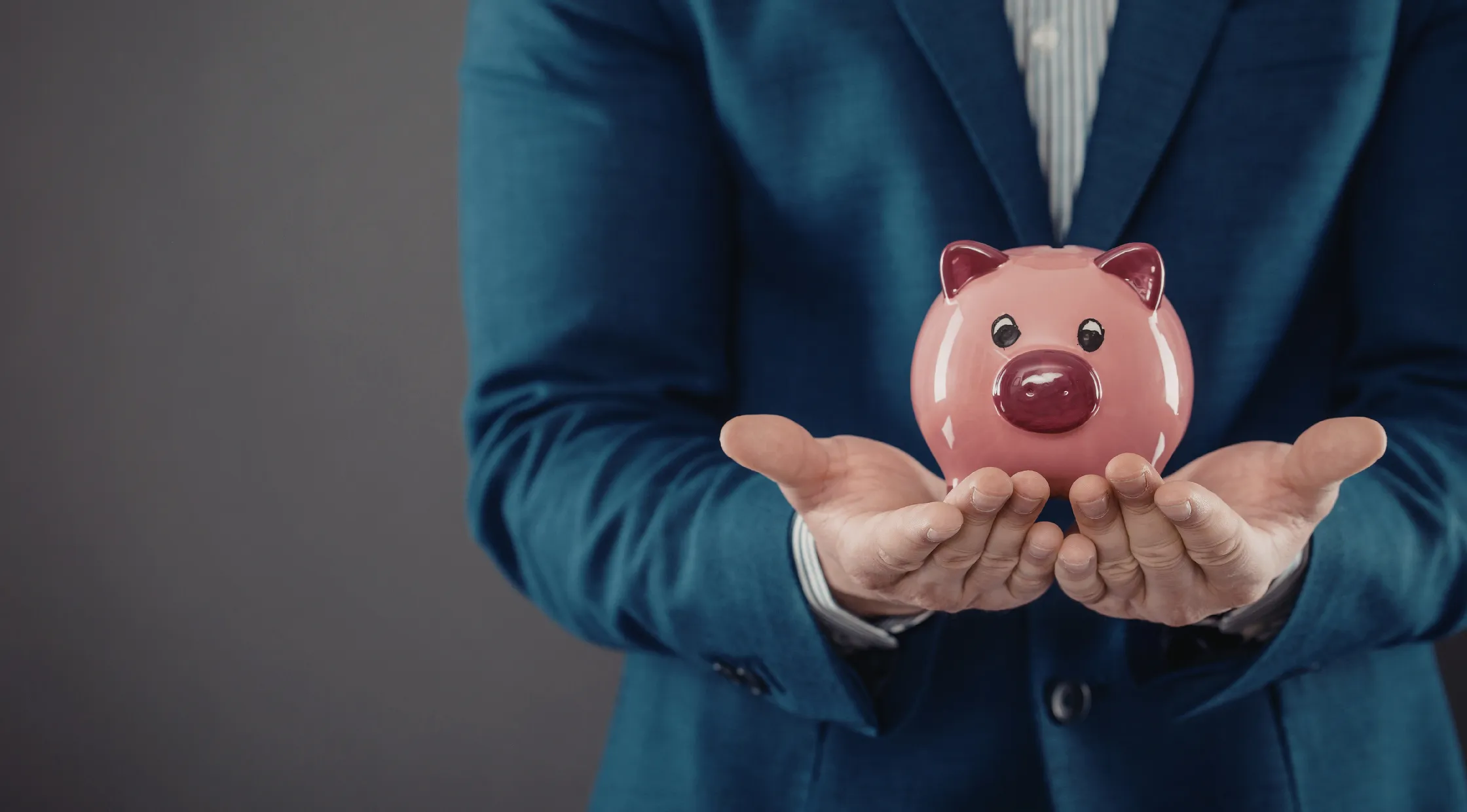
El Tendencia principal del subconsumo Describe un cambio de comportamiento cada vez mayor hacia la reducción de compras innecesarias y la prolongación de la vida útil de los productos existentes.
Pero definirlo de forma demasiado precisa casi debilita lo que realmente está sucediendo.
No se trata simplemente de gastar menos. Se trata de replantearse qué se supone que debe lograr el consumo a nivel emocional.
Durante años, comprar cosas estuvo ligado a la identidad, la aspiración e incluso la autoestima. Las mejoras simbolizaban el progreso. La posesión implicaba éxito.
Esa conexión emocional está empezando a aflojarse.
La gente repara electrodomésticos que antes habría reemplazado automáticamente. Usan ropa vieja sin disculparse por la repetición.
Retrasan las mejoras incluso cuando técnicamente pueden permitírselas.
Ninguna de estas acciones es dramática por sí sola. Sin embargo, en conjunto, constituyen un rechazo silencioso a la insatisfacción planificada.
Hay algo históricamente familiar aquí.
La inestabilidad económica siempre ha transformado la psicología del consumidor.
La diferencia ahora radica en que el cambio se está produciendo públicamente, amplificado a través de plataformas que antes existían principalmente para estimular la envidia y las compras impulsivas.
Irónicamente, las mismas redes sociales que normalizaron el consumo excesivo ahora están llenas de personas que muestran con orgullo frascos de productos para el cuidado de la piel medio vacíos, muebles reparados y electrodomésticos de cocina de hace una década que todavía funcionan a la perfección.
Ese cambio de rumbo parece casi accidental, pero revela un agotamiento que va más allá de las tendencias.
++ Las startups impulsadas por IA en 2026 operan con equipos más pequeños.
¿Por qué se está expandiendo esta tendencia tan rápidamente en 2026?
El crecimiento de la Tendencia principal del subconsumo No puede explicarse únicamente por la inflación, aunque la inflación ciertamente la aceleró.
Debajo hay una capa más psicológica.
Los consumidores son cada vez más conscientes de que la publicidad moderna rara vez vende productos directamente, sino que vende carencias emocionales.
El sistema funciona creando un bajo nivel de insatisfacción y luego ofreciendo compras como alivio temporal.
Tras años de persuasión algorítmica, mucha gente parece simplemente cansada. No enfadada exactamente. Simplemente agotada.
La fatiga por suscripciones influye. También lo hace el desorden digital.
Lanzamientos de productos interminables, microtendencias, ciclos de marketing de influencers: todo empezó a convertirse en ruido de fondo.
Lo que antes se percibía como algo ambicioso, ahora a menudo se percibe como manipulador.
Un informe de Deloitte sobre el comportamiento del consumidor de 2025 mostró que los consumidores más jóvenes estaban priorizando la seguridad financiera y el gasto intencional por encima de las compras impulsadas por el estatus a un ritmo notablemente mayor que en años anteriores.
Esa estadística es importante porque apunta a un cambio cultural, no solo a un ajuste presupuestario temporal.
El Tendencia principal del subconsumo Se trata en parte de una adaptación económica, pero también de una resistencia emocional contra un sistema basado en el apetito perpetuo.
++ Financiación integrada en las franquicias: explicación del nuevo motor de crecimiento
¿Cómo está transformando los hábitos de ahorro?
El aspecto más interesante de la Tendencia principal del subconsumo Puede que así sea como cambia el significado emocional de ahorrar dinero.
Los consejos financieros tradicionales solían presentar el ahorro como una restricción. Renunciar a pequeños lujos. Recortar gastos. Resistir la tentación. El tono a menudo resultaba disciplinario, casi punitivo.
El subconsumo cambia esa perspectiva. Gastar menos deja de ser una cuestión de negación y se convierte en una forma de reducir el ruido.
Esa distinción es importante porque las personas mantienen los comportamientos con mayor facilidad cuando estos les resultan liberadores en lugar de restrictivos.
En 2026, el ahorro refleja cada vez más la flexibilidad más que los objetivos de estatus. Los fondos de emergencia son más importantes. La reducción de la deuda es más importante.
La tranquilidad y la estabilidad se han vuelto socialmente atractivas de una manera que habría parecido extraña hace una década.
También se está produciendo una sutil recalibración social. El consumo ostentoso antes proyectaba ambición.
Ahora bien, en algunos círculos, el gasto excesivo parece algo anticuado, como si alguien siguiera actuando para un público que ya no le presta atención.
La analogía que mejor se ajusta es la arquitectónica. La antigua cultura de consumo estaba obsesionada con decorar el exterior visible de la vida.
El Tendencia principal del subconsumo Centra su atención en reforzar la estructura subyacente antes de añadirle más peso por encima.
++ Por qué la educación financiera se está convirtiendo en una habilidad de supervivencia.
¿Se trata de minimalismo, ansiedad o claridad financiera?
Probablemente las tres, aunque no por igual para todos.
Algunos participantes realmente aceptan el Tendencia principal del subconsumo como un rechazo filosófico del despilfarro y el exceso.
Otros están respondiendo a la presión económica al tiempo que le dan al ajuste un lenguaje más aceptable culturalmente.
Esa distinción es importante porque las conversaciones en línea a veces idealizan el subconsumo de maneras que distorsionan la realidad.
La prudencia financiera luce elegante en las redes sociales cuando se combina con la estética y la libertad de elección. La sensación es muy diferente cuando la impulsa la necesidad.
También hay un componente político sutilmente arraigado en este cambio.
Los consumidores se muestran cada vez más escépticos ante los sistemas que dependen de actualizaciones constantes para mantener el crecimiento.
La moda rápida, la electrónica desechable, el consumo basado en tendencias: todos estos productos se enfrentan cada vez más al cansancio del público.
Lo que a menudo se malinterpreta es que el consumo insuficiente no implica necesariamente rechazar la comodidad o el placer. Cuestiona el consumo automático. Hay una diferencia.
Y tal vez por eso la Tendencia principal del subconsumo Se siente más duradero que los movimientos anticonsumidor anteriores.
No exige pureza. Exige conciencia.
Ejemplos reales de subconsumo en la práctica
Ejemplo 1: Conservar el teléfono “obsoleto”
Un gerente de marketing en Chicago optó por no reemplazar un teléfono inteligente de cuatro años de antigüedad a pesar de la fuerte presión promocional en torno al lanzamiento de nuevos dispositivos.
El teléfono seguía funcionando bien. La batería se había deteriorado ligeramente, pero no lo suficiente como para justificar otro plan de pago mensual costoso.
En lugar de invertirlo en mejoras, el dinero se destinó a una cuenta de ahorros para emergencias.
Esta decisión parece casi insignificante hasta que se multiplica por millones de consumidores.
Esa es la parte incómoda para las industrias que se basan en ciclos de reemplazo acelerados.
El Tendencia principal del subconsumo Gana poder precisamente porque se difunde a través de decisiones cotidianas en lugar de mediante un activismo dramático.
Ejemplo 2: Propiedad compartida en lugar de compra constante
Un pequeño grupo de inquilinos en Londres comenzó a compartir informalmente herramientas, electrodomésticos y equipos domésticos ocasionales en lugar de comprar individualmente artículos que rara vez se utilizan.
Todo empezó de forma casual: una aspiradora prestada, estanterías compartidas, un taladro eléctrico que se pasaba de un apartamento a otro.
Con el tiempo, este acuerdo redujo los costes lo suficiente como para que los participantes se volvieran más conscientes de sus futuras compras.
Este ejemplo encierra algo revelador. La motivación no era el minimalismo ideológico ni la promoción de una marca ambiental. Era la practicidad.
El Tendencia principal del subconsumo A menudo se expande a través de la comprensión más que de la ideología.
¿Qué sectores están sintiendo la presión?
No todos los sectores experimentan la Tendencia principal del subconsumo De igual modo, pero las industrias que dependen de ciclos de consumo acelerados están empezando a sentir la fricción.
La moda rápida es un ejemplo evidente. Los consumidores se muestran cada vez más escépticos respecto a la calidad de la ropa desechable y la constante evolución de las tendencias.
Las empresas de electrónica también se enfrentan a una menor tendencia a la hora de actualizar sus equipos, especialmente a medida que las mejoras de hardware se vuelven menos transformadoras año tras año.
Mientras tanto, las plataformas de reventa, los negocios de reparación y los mercados de segunda mano están ganando una legitimidad cultural que antes se consideraba marginal.
Reparar ya no es señal de incapacidad para comprar algo nuevo. En algunos casos, es señal de buen criterio.
Hay una ironía en todo esto que resulta difícil de ignorar: el capitalismo se adapta rápidamente, incluso a la resistencia.
Las marcas ya están reposicionándose en torno a la durabilidad, la atemporalidad y el "consumo consciente".
Eso crea una extraña contradicción.
Una vez que el subconsumo se vuelve comercializable, parte de su autenticidad inevitablemente vuelve a ser absorbida por la misma maquinaria comercial a la que originalmente se resistió.
Tabla comparativa: Hábitos de consumo de antes y ahora
| Comportamiento del consumidor | Modelo de consumo tradicional | Comportamiento de subconsumo |
|---|---|---|
| Actualizaciones de smartphones | Reemplazo frecuente | Ciclos de propiedad más largos |
| Compras de ropa | Compras centradas en las tendencias | Armarios más pequeños y de uso repetido |
| Prioridades financieras | Visibilidad del estilo de vida | Estabilidad y flexibilidad |
| Artículos para el hogar | Reemplazar rápidamente | Reparar y reutilizar |
| Señalización social | Impulsado por la propiedad | Restricción intencional |
| Motivación para comprar | Impulso emocional | Evaluación práctica |
Preguntas frecuentes (FAQ)
| Pregunta | Respuesta |
|---|---|
| ¿Qué es el? Tendencia principal del subconsumo? | Se trata de un cambio en el comportamiento del consumidor centrado en reducir las compras innecesarias y prolongar la vida útil del producto. |
| ¿Es lo mismo que el minimalismo? | No exactamente. El consumo responsable suele estar motivado más por razones prácticas y económicas que por el minimalismo estético. |
| ¿Por qué está creciendo en 2026? | La presión económica, el cansancio de los consumidores y el cambio de actitud hacia el gasto están impulsando esta transformación. |
| ¿Afecta esta tendencia a las empresas? | Sí. Las industrias que se basan en ciclos de consumo rápidos ya se están adaptando a hábitos de compra más lentos. |
| ¿El subconsumo solo es popular entre los consumidores más jóvenes? | No, aunque el público más joven tiende a amplificar la conversación en línea. |
| ¿Puede el subconsumo mejorar el ahorro? | En muchos casos, sí, especialmente al reducir los gastos impulsivos y los motivados por el estatus social. |
El Tendencia principal del subconsumo No se trata simplemente de una estrategia presupuestaria disfrazada de cultura de internet. Algo más profundo se está gestando bajo la superficie.
La gente empieza a preguntarse si las constantes actualizaciones realmente mejoraron sus vidas o si simplemente los mantuvieron sobreestimulados financiera y emocionalmente.
Esa pregunta persiste porque cada vez es más difícil evitar la respuesta.
El consumo en sí mismo está perdiendo parte de su autoridad emocional. No del todo. Probablemente nunca del todo. Pero lo suficiente como para modificar los comportamientos de forma visible.
Y eso podría explicar por qué este movimiento se siente diferente a las anteriores oleadas minimalistas. No se basa en la perfección ni en la disciplina estética.
Esto se ve impulsado por la creciente sospecha de que el consumo constante nunca fue diseñado para resultar satisfactorio.
Recursos recomendados
- Explore información sobre el comportamiento del consumidor en
- Infórmese sobre la investigación del consumo sostenible en