
Il riutilizzo adattivo degli immobili si espande nei centri urbani.
Investimenti immobiliari Le strategie stanno cambiando rapidamente, poiché gli edifici storici nelle aree metropolitane di tutto il mondo subiscono massicce trasformazioni strutturali per soddisfare le esigenze moderne.
Annunci
I centri urbani si trovano ad affrontare una sfida unica: un surplus strutturale di edifici per uffici sottoutilizzati e vecchi magazzini industriali, a fronte di una grave carenza di alloggi e di moderni centri di aggregazione.
Questo squilibrio economico favorisce l'espansione del riutilizzo adattivo, una pratica che infonde nuova vita alle strutture esistenti anziché demolirle.
Trasformando gli spazi commerciali vuoti in vivaci unità abitative, boutique hotel e centri creativi, gli sviluppatori stanno rivitalizzando i quartieri locali preservando al contempo l'architettura storica.
Questa evoluzione architettonica riflette un cambiamento culturale più profondo verso uno sviluppo urbano sostenibile e una gestione consapevole delle risorse.
Le città che un tempo si espandevano verso l'esterno ora si rivolgono verso l'interno, riconoscendo che l'edificio più sostenibile è spesso quello già esistente.
Man mano che le amministrazioni comunali introducono normative urbanistiche flessibili e incentivi fiscali per accelerare queste conversioni, l'intersezione tra conservazione del patrimonio storico e moderna utilità commerciale crea un valore considerevole a lungo termine per le economie locali.
Guida rapida alla navigazione
- Perché il riutilizzo adattivo sta accelerando proprio ora?
- Come funziona la conversione da commerciale ad residenziale?
- Quali sono i vantaggi strategici per gli investitori?
- Confronto delle metriche chiave del progetto
- Domande frequenti
Perché il riutilizzo adattivo sta accelerando proprio ora?
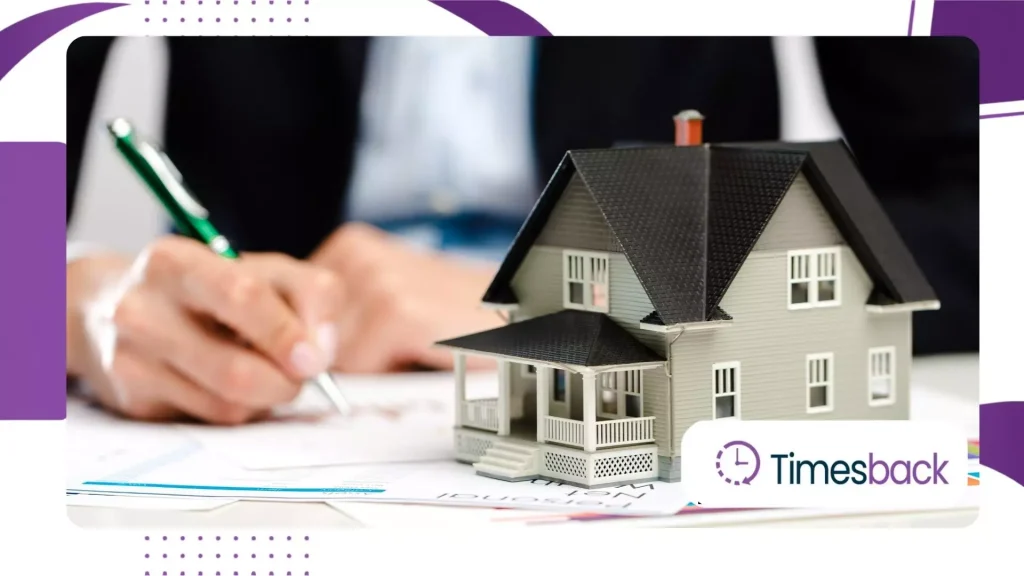
Quali sono i fattori che guidano l'attuale cambiamento architettonico?
Le dinamiche in continua evoluzione del mondo del lavoro hanno modificato in modo permanente il modo in cui le aziende utilizzano gli spazi commerciali nei principali distretti finanziari.
La diffusa adozione di modelli di lavoro ibridi ha lasciato inutilizzati milioni di metri quadrati di uffici di classe B e C, creando un'urgente passività finanziaria per i proprietari degli immobili.
Al contempo, la crescente consapevolezza ambientale fa sì che le demolizioni tradizionali appaiano sempre più dispendiose e dannose per gli ecosistemi locali.
Quali fattori economici spingono le città verso lo sviluppo?
L'aumento dei costi dei materiali da costruzione e gli obiettivi comunali più stringenti in materia di emissioni di carbonio rendono finanziariamente limitanti i nuovi progetti edilizi ex novo.
Il riutilizzo adattivo funge da scorciatoia efficiente, consentendo ai costruttori di evitare scavi profondi e fasi di realizzazione delle strutture portanti, per consegnare gli spazi finiti al mercato in tempi molto più rapidi.
Questa efficienza sta trasformando gli imponenti grattacieli aziendali abbandonati in ecosistemi multifunzionali altamente efficienti che servono le comunità locali.
++ Le discrepanze di valutazione degli REIT segnalano un'errata valutazione del mercato nel 2026
In che modo i comuni supportano questa crescita?
Le amministrazioni locali stanno aggiornando con decisione i regolamenti urbanistici obsoleti per consentire rapide transizioni dalla destinazione d'uso commerciale a quella residenziale.
Città come New York e Los Angeles hanno istituito task force specializzate progettate per snellire il processo burocratico di approvazione per le conversioni strutturali.
Queste iniziative pubbliche riducono gli ostacoli normativi, incoraggiando gli sviluppatori ad intraprendere progetti di restauro complessi che in precedenza sembravano troppo rischiosi dal punto di vista legale.
Come funziona la conversione da commerciale ad residenziale?
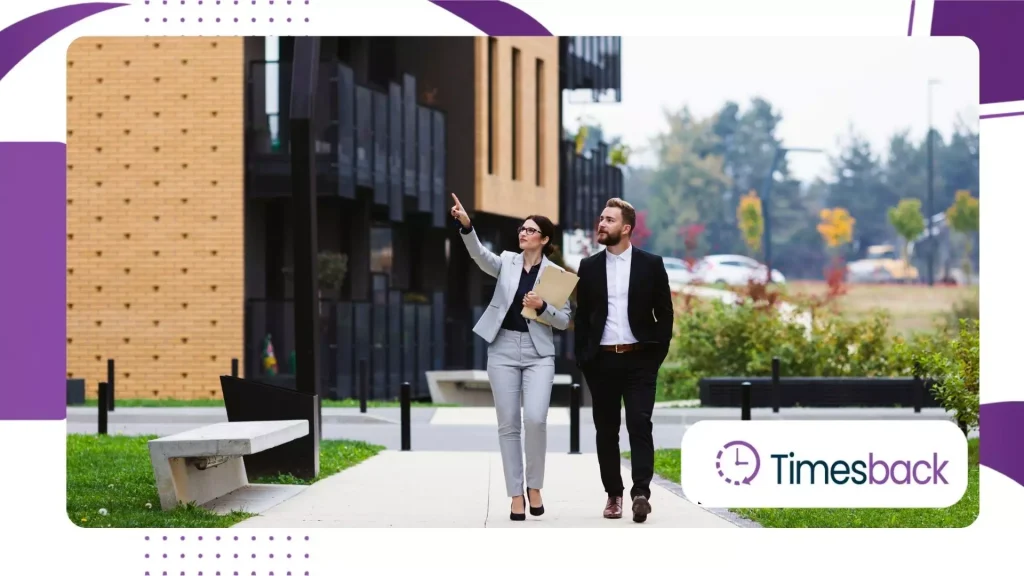
Quali elementi strutturali richiedono modifiche profonde?
La trasformazione di un edificio adibito a uffici in appartamenti abitabili richiede notevole creatività ingegneristica e profondi adattamenti tecnici.
Gli edifici adibiti a uffici presentano in genere ampie superfici con spazi interni profondi, privi di esposizione diretta alla luce naturale e all'aria fresca.
Per risolvere questo problema, gli architetti aprono dei nuclei strutturali per creare cortili interni, pozzi di luce e ampi sistemi di finestre.
Leggi anche: Gli investimenti nelle residenze per anziani aumentano, mentre la domanda raggiunge il picco.
Come risolvono gli sviluppatori i problemi idraulici?
Nei tradizionali piani degli uffici si utilizzano singoli nuclei di drenaggio centralizzati per i bagni comuni, il che è in contrasto con le esigenze di decentralizzazione dei singoli appartamenti.
Gli ingegneri devono installare sistemi idraulici di scarico a flusso ascendente avanzati o scavare nuove canalizzazioni verticali attraverso spesse lastre di cemento per garantire a ogni unità un drenaggio indipendente per cucina e bagno.
Immaginate di riprogettare una nave da crociera monolitica trasformandola in una collezione di yacht di lusso indipendenti e perfettamente funzionanti.
Per saperne di più: Le transazioni immobiliari fuori mercato diventano rare nel ciclo di investimenti del 2026
Dove possono i costruttori risparmiare sui materiali?
Conservare le fondamenta originali in cemento, la sovrastruttura in acciaio e l'involucro esterno dell'edificio elimina la necessità di ingenti acquisti di materie prime.
Questo approccio impedisce che migliaia di tonnellate di detriti di muratura pesante intasino le discariche locali, preservando al contempo il fascino storico che i consumatori moderni ricercano attivamente.
Questa conservazione strategica consente una investimento immobiliare per catturare un'esclusiva qualità premium, che fonde il carattere storico con finiture interne contemporanee.
Quali sono i vantaggi strategici per gli investitori?
Perché questa strategia è altamente redditizia?
Investire in progetti di riqualificazione consente ai fondi finanziari di acquisire immobili commerciali in difficoltà a un prezzo notevolmente inferiore rispetto ai costi di ricostruzione.
La conversione di questi immobili permette di ottenere unità abitative plurifamiliari di pregio o spazi per l'ospitalità esperienziale che spuntano affitti elevatissimi, apprezzati da giovani professionisti urbani.
Di conseguenza, un'esecuzione ben eseguita investimento immobiliare In questo settore si ottengono flussi di cassa resilienti, in gran parte svincolati dalla volatilità del mercato degli affitti degli uffici aziendali.
In che modo l'EEAT influisce sulla valutazione degli immobili?
Dimostrare una solida esperienza, competenza, autorevolezza e affidabilità nelle complesse ristrutturazioni strutturali permette a un'impresa edile di affermarsi come leader di mercato affidabile.
Gli istituti di credito prediligono team esperti che sappiano come mitigare i rischi strutturali storici e realizzare i progetti rispettando scadenze rigorose.
Questa solida reputazione operativa consente di accedere a opzioni di finanziamento più vantaggiose, accelerando direttamente la redditività del progetto e aumentando il valore finale dell'immobile.
Che ruolo gioca la sostenibilità nei rendimenti?
Secondo i dati del Istituto americano degli architetti (AIA)Ristrutturare un edificio esistente consente di risparmiare fino a 501 tonnellate di emissioni di carbonio incorporate rispetto alla costruzione di una nuova struttura completamente identica da zero.
I moderni inquilini istituzionali e i fondi verdi danno priorità a questi asset conformi ai criteri ESG, generando un maggiore apprezzamento del capitale nel tempo.
Questo allineamento con gli obiettivi ambientali rende sostenibile investimento immobiliare incredibilmente attraente per gli acquirenti istituzionali avversi al rischio.
Modelli di successo concreti
Consideriamo la trasformazione dello storico Torre Tribune a Chicago, che è riuscita a trasformarsi con successo da sede centrale di un'azienda mediatica tradizionale in condomini residenziali di lusso.
Allo stesso modo, il Centrale elettrica di Battersea A Londra, un imponente edificio industriale abbandonato dimostra come possa trasformarsi in un fiorente ecosistema commerciale e residenziale.
Questi esempi pratici dimostrano che il riutilizzo adattivo protegge il patrimonio culturale generando al contempo consistenti ritorni commerciali a lungo termine.
Confronto delle metriche chiave del progetto
La tabella seguente illustra le principali differenze in termini di tempistiche, distribuzione dei costi e impatto ambientale tra i diversi modelli di sviluppo urbano, sulla base degli standard di mercato del 2026.
| Metrica di sviluppo | Conversione adattiva per il riutilizzo | Costruzione tradizionale da zero |
| Tempo medio di completamento | 12 – 18 mesi | 24 – 36 mesi |
| Risparmio di carbonio incorporato | 40% – 60% Salvato | 0% (Emissioni di riferimento) |
| Allocazione dei costi primari | Ristrutturazione strutturale e impianti HVAC | Fondamenta, struttura e materie prime |
| Tempi di approvazione e zonizzazione | Procedura accelerata (con incentivi comunali) | Revisione normativa standard |
| Valore di posizionamento sul mercato | Alto (premio per il carattere storico) | Variabile (a seconda dei servizi moderni) |
Dare forma alle città di domani
La rapida espansione del riutilizzo adattivo degli immobili testimonia una continua evoluzione nel modo in cui la società valuta, sviluppa e interagisce con lo spazio urbano.
Trasformando complessi di uffici vuoti e magazzini industriali obsoleti in vivaci punti di riferimento per la comunità, gli sviluppatori stanno risolvendo la carenza di alloggi senza cancellare il patrimonio architettonico locale.
Questo cambio di paradigma dimostra che redditività finanziaria e sostenibilità ambientale possono coesistere armoniosamente se supportate da soluzioni ingegneristiche innovative.
Con l'aumento della densità urbana, la capacità di ripensare le strutture esistenti distinguerà le economie metropolitane fiorenti da quelle stagnanti.
L'allocazione strategica di capitali per queste riconversioni rivitalizza i quartieri storici, riduce l'impronta di carbonio e costruisce centri urbani resilienti per le generazioni future.
Avete notato che edifici commerciali vuoti vengono trasformati nella vostra zona? Condividete la vostra esperienza e le vostre opinioni su questi cambiamenti di quartiere nei commenti qui sotto.
Domande frequenti
Che cos'è? Riqualificazione immobiliare adattiva?
Si tratta del processo di ristrutturazione di un edificio esistente che ha esaurito la sua funzione originaria, come ad esempio una torre per uffici vuota, una vecchia fabbrica o una scuola dismessa, per adattarlo a un nuovo utilizzo commerciale o residenziale, preservandone al contempo l'aspetto esterno storico.
Come funziona il processo di conversione strutturale?
Gli sviluppatori valutano la struttura portante dell'edificio, aggiornano la planimetria interna per massimizzare la luce naturale e rinnovano completamente le infrastrutture meccaniche, elettriche e idrauliche per supportare unità residenziali decentrate o spazi commerciali a uso misto.
Quali sono i vantaggi dell'investimento immobiliare?
Offre una maggiore velocità di immissione sul mercato, notevoli risparmi sui materiali di fondazione e intelaiatura, una minore esposizione ai rischi di costruzione ex novo e un forte allineamento con i moderni requisiti ESG istituzionali, che contribuiscono a catturare un premio investimento immobiliare ritorno.