
In che modo il comportamento creditizio influenza le tempistiche per il raggiungimento della libertà finanziaria
Credit Behavior Influences Financial Freedom Timelines more than most spreadsheets admit.
Annunci
People map out their path to independence with neat assumptions about savings rates and market returns.
Yet the quiet patterns of how they handle credit—carrying balances, missing due dates, or maxing out limits—rewrite those projections in the background, often stretching the finish line by years.
One late payment or sustained high utilization doesn’t just lower a score. It raises the price of every future loan, quietly siphoning money that could compound elsewhere.
Annunci
The timeline to financial freedom stops being a simple math problem of income minus expenses.
It becomes a negotiation between present choices and future borrowing power.
What if the real drag on early retirement isn’t the latte or the occasional vacation, but the slow bleed of interest paid because credit habits never quite aligned with long-term goals?
Continua a leggere il testo e scopri di più!
Sommario
- What Credit Behavior Really Means When Financial Freedom Is the Goal
- How Credit Behavior Shapes the Day-to-Day Path Toward Financial Freedom Timelines
- What Measurable Advantages Emerge When Smart Credit Behavior Influences Financial Freedom Timelines
- Why Credit Behavior Has Grown Into a Deciding Factor for Financial Freedom Timelines
- Two Stories That Reveal How Credit Behavior Influences Financial Freedom Timelines
- What Persistent Hurdles Still Complicate Mastering Credit Behavior on the Road to Freedom
- Questions People Actually Ask About How Credit Behavior Influences Financial Freedom Timelines
What Credit Behavior Really Means When Financial Freedom Is the Goal
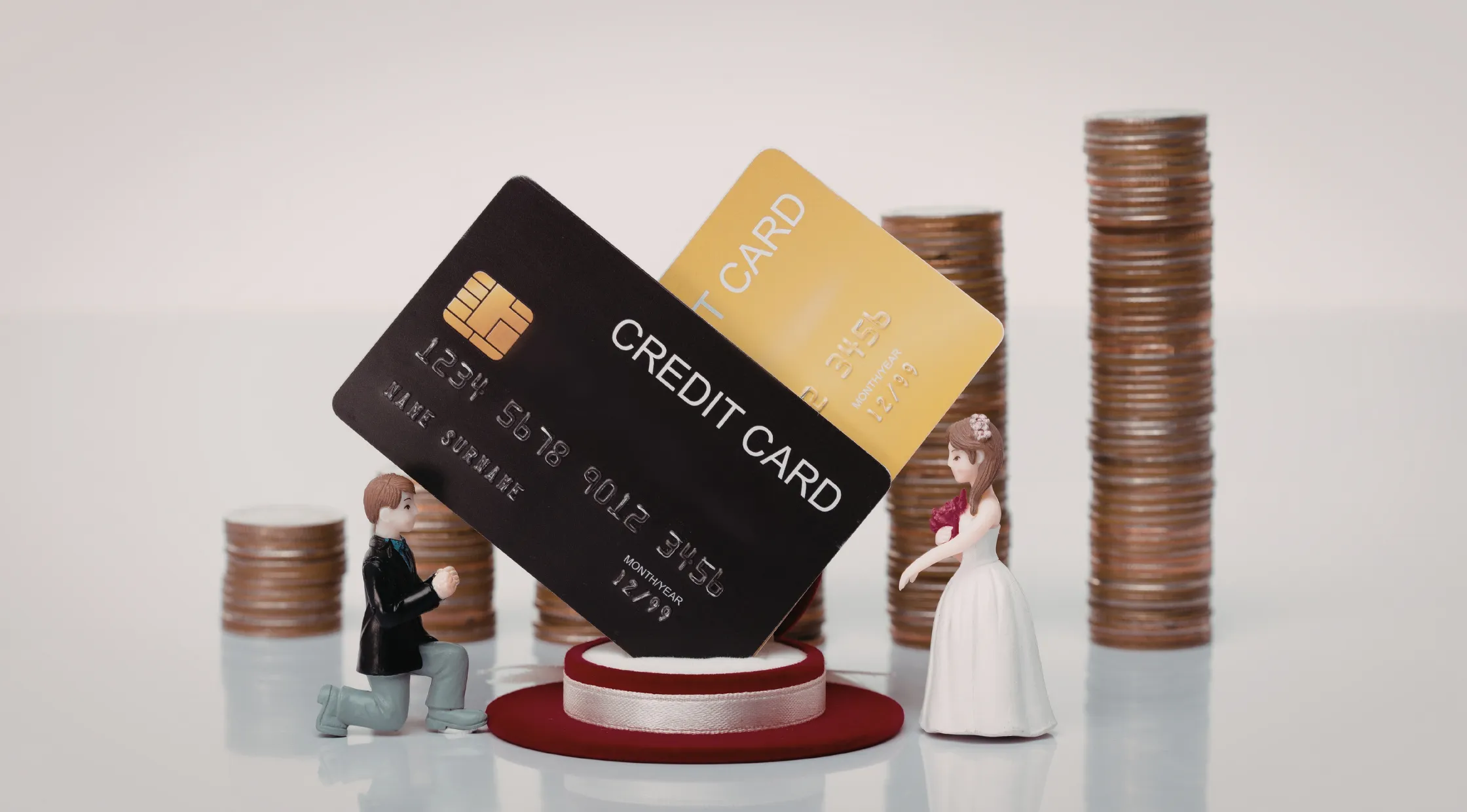
Credit behavior captures the lived pattern of borrowed money: whether payments arrive on time, how much of available credit gets used, and the balance between different types of debt.
For those chasing financial independence, it functions as an invisible multiplier.
Clean habits preserve capital. Messy ones create drag that compounds over decades.
Lenders read these patterns before they ever examine income statements or investment accounts.
A history of responsible use unlocks lower rates and larger limits.
Repeated missteps keep borrowers paying premium prices long after peers have moved on to cheaper capital.
The difference rarely feels dramatic month to month, yet it quietly reshapes net worth trajectories.
Something unsettling sits in that gap. Credit behavior doesn’t merely reflect discipline.
It actively determines how much of each earned dollar actually stays available to work in markets or pay down principal.
Every extra percentage point of interest becomes money denied the chance to grow.
++ Fondi di emergenza in un'era di instabilità economica
How Credit Behavior Shapes the Day-to-Day Path Toward Financial Freedom Timelines
Monthly cash flow tells the immediate story. Keeping utilization low and payments current protects scores and holds interest costs down.
The resulting breathing room funnels directly into investments or extra debt reduction instead of vanishing into minimums.
Over longer stretches the divergence widens. Those who revolve balances month after month hand over thousands in interest and fees that could have compounded at market rates.
Others who pay in full avoid that leakage entirely and keep their borrowing costs minimal when larger opportunities arise.
Small consistent moves accumulate real weight.
Autopay that prevents slips, old accounts left open to lengthen history, deliberate restraint during spending spikes—these decisions rarely make headlines.
++ Valutazione del rischio negli immobili esposti ai cambiamenti climatici
They simply shorten the distance to independence by safeguarding access to capital precisely when life demands flexibility.
++ Finanziamenti per i franchising dopo l'inasprimento delle politiche creditizie
What Measurable Advantages Emerge When Smart Credit Behavior Influences Financial Freedom Timelines
Lower borrowing costs surface first and most clearly.
Even a single percentage point shaved from a mortgage or auto loan over decades frees up significant sums for reinvestment.
That capital works harder and reaches critical mass sooner.
Broader access follows. Strong profiles open favorable business credit, promotional offers, and sometimes reduced insurance premiums.
Each advantage layers onto the next, turning modest edges into noticeable acceleration.
Recent figures underline the cost of the alternative.
The CFPB’s 2025 Consumer Credit Card Market Report found that persistent debt—where more than half of annual payments go toward interest and fees—now affects 13 percent of cardholders, up from 9.9 percent in 2022.
That extra burden locks people into longer repayment cycles and delays the point where savings can truly take over.
| Credit Behavior Pattern | Typical Annual Interest/Fees (on $15k revolving) | Estimated Added Delay to FI Number (at 7% return) |
|---|---|---|
| Pays in full each month | Near zero | Baseline |
| Revolves with moderate utilization | $1,200–$1,800 | 1–2 anni |
| High utilization plus occasional lates | $2,500+ | 3–5+ years |
| Persistent debt cycle | $3,000+ | 5–8 years or more |
Why Credit Behavior Has Grown Into a Deciding Factor for Financial Freedom Timelines
Higher baseline interest rates have made mediocre credit more expensive than it was during the low-rate decade.
At the same time, the pursuit of financial independence has drawn wider attention to how debt service eats into the savings rate that actually matters.
Lenders tightened scrutiny after waves of delinquencies exposed vulnerabilities in certain borrower segments.
Household debt balances continued climbing through 2025, with credit card totals hovering near record levels while some groups faced elevated stress.
In that environment, clean records stand out and deliver tangible advantages.
Expectations shifted too. People want options—quick funding for a side venture, the ability to relocate without penalty, or renovations that don’t derail progress.
Only consistent credit behavior reliably opens those doors without extending the timeline through higher costs.
Two Stories That Reveal How Credit Behavior Influences Financial Freedom Timelines
Elena worked in marketing and attacked her student loans while holding credit card use below 10 percent.
When she moved to buy a condo in an up-and-coming area, her strong score secured a mortgage rate nearly a full point below average.
The monthly difference went straight into her brokerage. She reached her independence number at 42, six years earlier than her original projection.
Marcus designed freelance projects and leaned on cards during slow periods.
High balances, scattered late payments, and utilization often above 70 percent kept his score stuck in the mid-600s.
Every subsequent loan carried higher rates.
The added interest consumed roughly $450 monthly that could have compounded.
His revised timeline stretched from 45 to 52—seven years spent working longer than planned.
Credit behavior works like wind on open water. Favorable conditions let the boat glide with less effort.
Headwinds demand twice the energy for the same distance and leave the sailor drained long before land appears.
What Persistent Hurdles Still Complicate Mastering Credit Behavior on the Road to Freedom
Unexpected events test even steady habits. Medical costs, job changes, or family needs can force reliance on credit when reserves run thin.
Recovery speed and the willingness to rebuild patterns afterward separate those who slip temporarily from those who drift permanently.
Deeper structural issues add friction. Not everyone begins with the same financial examples or education.
Some carry inherited damage from identity theft or old cosigned accounts.
Repairing those records demands patience that many underestimate.
The psychological side proves especially stubborn.
Immediate relief from minimum payments or “buy now” options feels concrete.
The long-term cost to the timeline stays abstract until the numbers finally expose how far off course the journey has wandered.
Questions People Actually Ask About How Credit Behavior Influences Financial Freedom Timelines
| Domanda | Risposta diretta |
|---|---|
| Does paying down debt immediately boost my score? | Revolving debt usually improves within one to two months. Installment loans can dip temporarily before recovering. |
| How much does utilization actually affect the timeline? | Keeping it under 30 percent protects scores and borrowing costs, freeing more capital for growth. |
| Can poor credit habits add real years to independence? | Yes. Higher rates and restricted access routinely push FI targets back three to eight years or longer. |
| Should I still care about credit once debt-free? | Yes. It continues influencing insurance, rentals, and future opportunities even without outstanding balances. |
| Is perfect credit required to accelerate the timeline? | No. Steady, responsible patterns deliver the largest gains. Consistency beats perfection. |
Credit behavior keeps influencing financial freedom timelines long after the initial budgeting excitement fades.
It operates in the background, either shortening the journey or quietly extending it.
Those who treat credit as infrastructure rather than convenience simply arrive sooner, carrying fewer regrets and more options.
Further reading that cuts through the noise:
- CFPB’s 2025 Consumer Credit Card Market Report
- Federal Reserve Report on the Economic Well-Being of U.S. Households in 2024
- New York Fed Household Debt and Credit Report (Q4 2025)
