La regola del "prima l'usato" che ha cambiato le mie abitudini di spesa
La regola del secondo prima sta rivoluzionando il modo in cui i consumatori moderni gestiscono le proprie finanze personali, offrendo un potente antidoto all'inflazione galoppante e al consumismo sfrenato.
Annunci
In qualità di editorialista finanziario, ho passato anni ad analizzare i trucchi per la gestione del budget, eppure questo singolo cambiamento comportamentale si distingue per il suo impatto immediato e cumulativo sul risparmio delle famiglie.
Impegnandoti a cercare un'alternativa di seconda mano prima di acquistare qualcosa di nuovo, cambi radicalmente il tuo rapporto con i beni materiali e impedisci la dispersione di ricchezza.
Questo approccio strategico non significa accontentarsi di oggetti usurati; al contrario, privilegia la qualità selezionata, la sostenibilità ambientale e la conservazione del capitale investito.
Negli ultimi dodici mesi, l'applicazione di questo metodo mi ha permesso di ridurre le mie spese discrezionali di quasi il quaranta percento senza sacrificare il mio stile di vita.
In un'epoca in cui i costi di produzione e i ricarichi al dettaglio rimangono ostinatamente elevati, rivolgersi al mercato secondario non è più solo una bizzarra abitudine ecologica, ma una necessaria strategia per accumulare ricchezza.
Cosa ci aspetta
- Comprendere la filosofia di base: Scopri i meccanismi alla base di questa regola finanziaria, come interrompe il circolo vizioso dello shopping compulsivo alimentato dalla dopamina e i suoi benefici psicologici.
- Implementazione strategica e vantaggi: Scopri i passaggi concreti per applicare questa regola a elettronica, arredamento e abbigliamento, supportati da dati di mercato reali e confronti.
- Superare gli ostacoli e costruire ricchezza a lungo termine: Supera gli ostacoli più comuni dell'acquisto di articoli di seconda mano, valuta il reale ritorno sull'investimento ed esplora le domande frequenti per mantenere queste abitudini.
Perché il mercato dell'usato sta diventando la strategia definitiva per accumulare ricchezza?
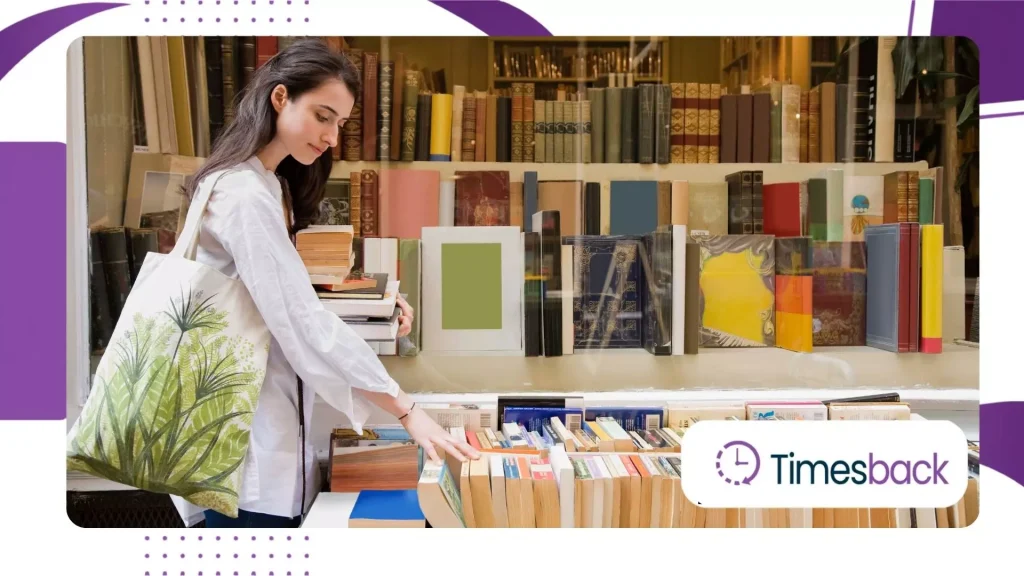
Vi siete mai fermati a calcolare quanto si deprezza istantaneamente un articolo nuovo di zecca nel momento stesso in cui esce dalla soglia del negozio?
Il panorama economico del 2026 richiede abitudini finanziarie più intelligenti e agili, in quanto le catene di approvvigionamento globali si stabilizzano, ma le strutture dei prezzi al dettaglio rimangono permanentemente elevate.
Implementazione la regola del secondo prima Agisce come un interruttore personale contro le implacabili macchine del marketing che ci spingono a comprare, buttare via e ripetere.
Modificando le nostre abitudini di acquisto, riprendiamo attivamente il controllo del nostro flusso di cassa e reindirizziamo il capitale verso investimenti che effettivamente si apprezzano.
Immaginate il vostro budget come un secchio di legno; i ricarichi del commercio al dettaglio tradizionale sono delle perdite strutturali che prosciugano i vostri sudati risparmi prima che possiate davvero ingranare.
L'acquisto di beni di seconda mano colma queste lacune strutturali, consentendoti di costruire un consistente cuscinetto finanziario e al contempo di acquisire beni di alta qualità e durevoli per la vita quotidiana.
Qual è il cambiamento psicologico che si cela dietro l'acquisto di articoli di seconda mano?
Per adottare con successo questo stile di vita, è necessario passare da una mentalità orientata alla gratificazione immediata a una di scoperta intenzionale e ponderata.
Il commercio al dettaglio moderno è progettato per innescare picchi di dopamina attraverso sistemi di ordinazione fluidi e immediati, che privilegiano la velocità rispetto all'utilità a lungo termine.
Adottare la regola del secondo prima Introduce un sano elemento di riflessione nelle tue abitudini di acquisto, costringendoti a una breve pausa per valutare se hai davvero bisogno dell'oggetto.
Questa zona cuscinetto psicologica trasforma lo shopping da una reazione passiva e impulsiva in un processo decisionale attivo e consapevole, in cui si ha il controllo del risultato.
In che modo questa regola protegge il tuo portafoglio dall'inflazione forzata?
I rivenditori aumentano regolarmente i prezzi con la scusa dell'aumento dei costi di produzione, ma i mercati secondari funzionano secondo la pura legge della domanda e dell'offerta, offrendo sconti enormi.
Saltando la tradizionale catena di approvvigionamento della vendita al dettaglio, si evitano i costi fissi aziendali, le costose campagne di marketing e i margini di produzione insostenibili.
Acquistare oggetti di seconda mano permette di evitare questa inflazione artificiale, ottenendo la stessa funzionalità a una frazione del costo.
Leggi anche: Perché la liquidità di cassa sta riacquistando importanza
Quali dati concreti supportano questo cambiamento economico?
La sostenibilità economica di questo movimento è supportata dalla crescita esponenziale del settore della rivendita, a dimostrazione che gli investitori più avveduti si stanno orientando verso beni di seconda mano.
Secondo l'autorevole Rapporto sulla rivendita di ThredUp del 2025Si prevede che il mercato globale dell'abbigliamento di seconda mano raggiungerà i 1.435 miliardi di dollari entro il 2029, crescendo tre volte più velocemente rispetto al settore della vendita al dettaglio nel suo complesso.
Questo aumento dimostra che i mercati secondari stanno diventando altamente organizzati, sicuri e incredibilmente redditizi per i consumatori comuni che desiderano ottimizzare il proprio budget.
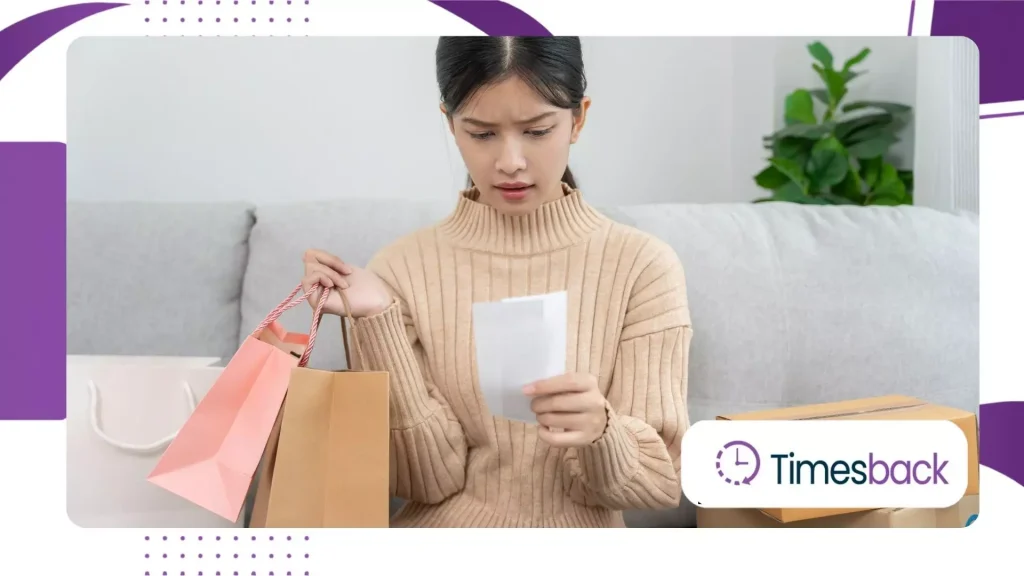
Come applichi questa regola alle tue abitudini di acquisto quotidiane?
Passare a questo sistema non significa dover trascorrere i fine settimana a rovistare tra mercatini dell'usato impolverati e disordinati, a meno che non siate davvero appassionati di questa attività.
Il mercato secondario odierno è altamente digitalizzato e offre piattaforme peer-to-peer sofisticate con protezioni integrate per gli acquirenti, servizi di autenticazione e filtri di ricerca avanzati.
Applicazione la regola del secondo prima Significa semplicemente impegnarsi a controllare prima questi mercati digitali e locali ogni volta che si presenta la necessità di fare un acquisto.
Per rendere il concetto più pratico, immaginate di aver bisogno di una sedia da ufficio di alta gamma per la vostra postazione di lavoro domestica, al fine di prevenire l'affaticamento della schiena.
Invece di pagare 1.400 TP al prezzo di listino per un modello nuovo, puoi cercare una versione ricondizionata nelle vendite di liquidazione di uffici locali o nei marketplace online.
Spesso si possono trovare articoli aziendali in eccedenza in condizioni perfette a meno di un terzo del prezzo originale, intascando la differenza.
Per saperne di più: Consumo strategico nelle economie ad alto costo
Da dove iniziare la ricerca di un'auto usata?
Iniziate con piattaforme online altamente strutturate e specializzate in categorie specifiche, in quanto offrono il controllo qualità e la protezione dell'acquirente più affidabili.
Per quanto riguarda i prodotti elettronici, piattaforme di ricondizionamento certificate come Back Market o eBay Refurbished offrono solide garanzie che eguagliano o superano i termini del produttore originale.
Per abbigliamento, utensili e articoli per la casa, piattaforme come Poshmark, Mercari e i gruppi locali di Facebook Marketplace offrono accesso diretto a prodotti di alta qualità.
Quali categorie offrono i maggiori risparmi finanziari?
I mobili e gli apparecchi elettronici di consumo ad alto consumo presentano le maggiori differenze di prezzo tra il nuovo e l'usato.
Mobili in legno, elettrodomestici da cucina di alta gamma e utensili professionali sono costruiti per durare decenni, eppure il loro valore si deprezza dal cinquanta al settanta percento sul mercato dell'usato.
Concentrandoti su queste categorie specifiche, massimizzi il risparmio per ogni transazione e mantieni ingenti somme di denaro nei tuoi conti fruttiferi.
Come evitare le truffe e garantire la qualità?
Proteggersi richiede il rispetto di rigidi protocolli di sicurezza, come l'utilizzo di sistemi di pagamento sicuri all'interno dell'app e l'ispezione accurata degli articoli prima di completare una transazione.
Quando si acquistano dispositivi elettronici, è sempre bene richiedere schermate diagnostiche, verificare la percentuale di carica della batteria e confrontare i numeri di serie con i database del produttore.
Per gli incontri locali, è sempre preferibile scegliere luoghi pubblici e ben illuminati, come i parcheggi designati delle stazioni di polizia, per garantire una transazione sicura e senza stress.
Quali sono i reali vantaggi finanziari derivanti dalla scelta di un veicolo usato?
Per apprezzare appieno il potere di questo stile di vita, dobbiamo guardare ai numeri concreti, piuttosto che limitarci a concetti teorici.
Di seguito è riportato un autentico confronto dei costi che illustra i notevoli risparmi ottenuti applicando la regola del secondo prima per i comuni aggiornamenti domestici.
| Categoria | Prezzo di vendita al dettaglio tipico (nuovo) | Prezzo dell'usato/ricondizionato | Risparmio immediato in contanti | Percentuale risparmiata |
| Sedia da ufficio ergonomica di alta qualità | $1,250.00 | $399.00 | $851.00 | 68% |
| Smartphone di punta (di una generazione precedente) | $999.00 | $449.00 | $550.00 | 55% |
| Set da tavolo da pranzo in legno massello | $1,800.00 | $450.00 | $1,350.00 | 75% |
| Robot da cucina di alta gamma | $449.00 | $180.00 | $269.00 | 60% |
| Impatto complessivo sul portafoglio | $4,498.00 | $1,478.00 | $3,020.00 | 67% |
La tabella dimostra chiaramente che dare priorità agli articoli di seconda mano consente di risparmiare migliaia di dollari che possono essere immediatamente reinvestiti nel proprio fondo pensione o in conti di risparmio ad alto rendimento.
Non si tratta di privazione; si tratta di rifiutarsi di pagare un sovrapprezzo superfluo per la fugace novità di rompere un sigillo di plastica.
Nell'arco di un solo anno, queste vittorie individuali si sommano, generando un enorme vantaggio finanziario che accelera il tuo percorso verso la vera indipendenza finanziaria.
Riconquistare la libertà finanziaria un acquisto alla volta.
Abbracciare la regola del secondo prima In definitiva, si tratta di un atto di ribellione finanziaria contro un sistema progettato per indurti a consumare oltre le tue possibilità.
Scegliendo di acquistare prima di tutto beni di seconda mano, proteggete il vostro capitale faticosamente guadagnato, riducete gli sprechi industriali e vi procurate articoli di qualità superiore rispetto a quanto il vostro budget vi permetterebbe altrimenti.
I calcoli sono semplici, i benefici ambientali sono innegabili e l'impatto positivo sul benessere mentale è profondamente gratificante. Inizia con un piccolo acquisto, passa attraverso il filtro dell'usato e guarda i tuoi risparmi crescere.
Avete mai fatto un acquisto di seconda mano che vi ha fatto risparmiare centinaia di dollari? Condividete la vostra esperienza nei commenti qui sotto!
Domande frequenti
Quali articoli non dovrei assolutamente mai acquistare di seconda mano?
Per motivi di sicurezza e igiene, è consigliabile evitare di acquistare materassi, caschi da bicicletta, seggiolini auto per bambini e scarpe da corsa usati. I seggiolini auto e i caschi possono presentare danni strutturali nascosti dovuti a impatti precedenti, mentre le scarpe da corsa usate si sono già adattate alla falcata di un'altra persona, causando potenzialmente dolori articolari.
Come devo gestire la politica di reso quando acquisto articoli usati?
Acquistando da piattaforme di ricondizionamento certificate, in genere si riceve una garanzia di rimborso entro 30 giorni e una garanzia di un anno.
Nelle transazioni peer-to-peer sui mercati locali, le vendite sono generalmente definitive, motivo per cui un'ispezione accurata e diretta prima di consegnare il denaro è assolutamente essenziale.
Acquistare oggetti di seconda mano fa davvero bene all'ambiente?
Sì, riduce significativamente l'impronta di carbonio prolungando il ciclo di vita dei prodotti esistenti e diminuendo la domanda di estrazione di materie prime.
Ogni acquisto di un articolo di seconda mano evita l'enorme consumo di energia, acqua e le emissioni derivanti dal trasporto associate alla produzione di un articolo nuovo di zecca.