
Strategische consumptie in economieën met hoge kosten
Strategische consumptie in economieën met hoge kosten Het is niet zomaar slim budgetteren in een mooier jasje.
Anúncios
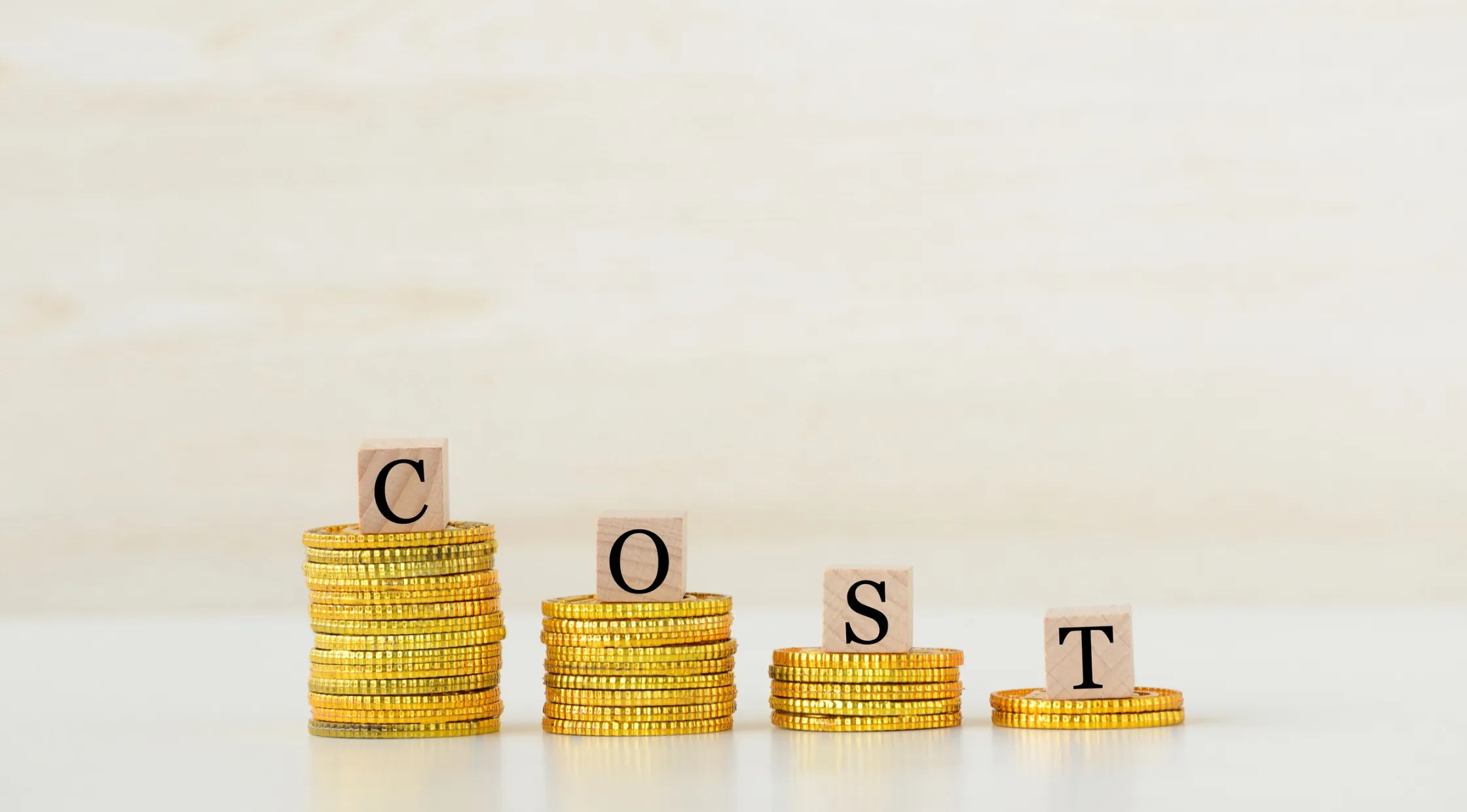
Het is de stille beslissing om niet langer toe te staan dat hoge prijzen het script van je leven bepalen.
In steden waar de huur al de helft van je salaris opslokt vóór het ontbijt en een kop koffie net zoveel kost als vroeger een lunch, beginnen de oude regels – spaar 20%, bezuinig op lattes – bijna beledigend aan te voelen.
Wat echt een verschil maakt, is elke uitgave behandelen alsof die auditie moet doen voor een plek in je toekomst.
De meeste mensen reageren nog steeds.
Een huurverhoging, paniek slaat toe, de creditcard wordt tevoorschijn gehaald. Strategisch consumeren draait die reflex om: het stelt de vraag wat een bepaalde aankoop je over vijf jaar nu eigenlijk oplevert.
Niet op een of andere motiverende posterachtige manier, maar met koude, concrete cijfers.
Het verschil tussen reageren en beslissen komt het snelst naar voren op de plekken waar de wiskunde het minst vergevingsgezind is.
Lees verder!
Inhoudsopgave
- Wat houdt strategische consumptie in dure economieën nu precies in?
- Waarom is het in 2026 niet meer onderhandelbaar?
- Hoe lukt het mensen in de praktijk?
- Wat levert het u nu eigenlijk op, afgezien van de voor de hand liggende besparingen?
- Waar moet je beginnen om overbelasting te voorkomen?
- Twee levens die een omslag maakten (en wat er veranderde)
- Een analogie die meestal wel aanslaat
- Harde cijfers: hoe vier dure steden zich tot elkaar verhouden
- Vragen die steeds terugkomen
Wat houdt strategische consumptie in dure economieën nu precies in?
Het betekent dat je tijd, keuzemogelijkheden en gemoedsrust koopt in plaats van spullen. Je jaagt niet op de laagste prijs, maar op de laagste totale kosten per eenheid nut gedurende de levensduur.
Een winterjas van €1.200 die je vier seizoenen per jaar draagt, gedurende acht jaar, is meestal beter dan drie jassen van €400 die gaan pluizen, verkleuren en uiteindelijk in de vuilniszak belanden.
De mentaliteitsverandering is subtiel maar hardnekkig.
Zodra je jezelf afvraagt "welk probleem lost dit eigenlijk voor mij op?" in plaats van "kan ik het me nu veroorloven?", verdwijnen veel impulsieve aankopen als sneeuw voor de zon.
In omgevingen met hoge kosten is die verdamping des te belangrijker, omdat de foutmarge daar al flinterdun is.
Daar schuilt op een subtiele manier iets radicaals in.
Je laat je prioriteiten niet langer afhangen van inflatie-indexen of marketingkalenders. Jij bepaalt zelf de voorwaarden.
++ Uitdagingen op het gebied van talentbehoud in bedrijven met zowel remote als hybride werksystemen.
Waarom is het in 2026 niet meer onderhandelbaar?
Omdat het oude contract van de middenklasse – vaste baan, geleidelijke loonsverhogingen, uiteindelijk een betaalbaar huis – in de meeste dure steden stilletjes is verlopen.
De lonen stijgen nog steeds, dat klopt, maar de kosten voor huisvesting, onderwijs en gezondheidszorg stijgen al langer in een sneller tempo.
De meest recente gegevens van de OESO over het besteedbaar inkomen van huishoudens (gecorrigeerd voor koopkracht) laten zien dat het inkomen van de middelste 40% van de bevolking in verschillende dure economieën sinds 2019 daadwerkelijk is gestagneerd of gedaald.
Mensen voelen het aan voordat de grafieken het bevestigen.
Wanneer basisbehoeften 70-80% van het netto-inkomen opslokken, houdt een impulsieve aankoop op onschadelijk te zijn.
Elke ongeplande etentje van €200 is niet langer een "verwennerij voor jezelf", maar een directe afschrijving van je noodreserve of reisbudget voor volgend jaar.
Strategische consumptie is geen teken van morele superioriteit; het is rekenkundig overleven vermomd als opzet.
En toch lijken de mensen die het beheersen zelden gebrek te lijden. Ze reizen.
++ Technologieafhankelijkheid in moderne franchisesystemen
Ze eten goed. Ze geven gul. Het verschil is dat ze gestopt zijn met het automatisch uitgeven van geld.
Hoe lukt het mensen in de praktijk?
Ze houden minder bij en nemen meer beslissingen. In plaats van kleurgecodeerde spreadsheets gebruiken velen drie mentale categorieën: Wat ze echt nodig hebben, Wat ze graag zouden willen hebben, Wat ze in de toekomst willen.
Alles wat niet duidelijk in een van die drie categorieën valt, krijgt automatisch een wachttijd van 72 uur. De meeste apparaten gaan binnen die tijd kapot.
Ze maken ook misbruik van informatieasymmetrie.
Lokale WhatsApp-groepen delen aanbiedingen voor grote hoeveelheden olijfolie, groentepakketten van de coöperatie en tweedehands designerkleding waar de prijskaartjes nog aan hangen.
In Singapore heb ik gezien hoe complete gebouwen gezamenlijk Japanse rijst insloegen – 30 tot 401 ton onder de schapprijs van FairPrice. Het is niet glamoureus, maar wel effectief.
De gewoonte die het langst beklijft, is waarschijnlijk de meest onopvallende: leren om neutraal te staan tegenover het zeggen van nee.
Na een tijdje voelt het afwijzen van de standaard upgrade of de "tijdelijke" aanbieding niet langer als een opoffering, maar als een manier om je positie te versterken.
++ Hoe rentewijzigingen uw dagelijkse financiële keuzes beïnvloeden
Wat levert het u nu eigenlijk op, afgezien van de voor de hand liggende besparingen?
Controle over je eigen zenuwstelsel staat voorop.
Als je precies weet waarom elke frank of dollar van je rekening is afgeschreven, dan hoef je je geen zorgen meer te maken over onverwachte rekeningen.
Die psychische bandbreedte is waardevoller dan de meeste mensen beseffen, totdat ze die terugkrijgen.
Tevredenheid verandert ook van vorm.
Je stopt met het najagen van de nieuwste microtrend en begint te beseffen hoeveel plezier je beleeft aan dingen die je bewust kiest: keukenmessen die aanvoelen als een verlengstuk van je hand, een fiets die perfect bij je lichaam past, weekendjes weg die je zes maanden van tevoren boekt toen de prijzen nog redelijk waren.
De kwaliteit van het plezier neemt toe, zelfs als de uitgaven dalen.
De mogelijkheid om op de lange termijn flexibel te zijn, is de verborgen schat.
Iemand die consequent €400 per maand van onbenullige aankopen overhevelt naar indexfondsen of een aanbetaling voor een woning, heeft vijf jaar later niet zomaar "geluk" gehad – die persoon heeft dat geluk zelf gecreëerd.
Waar moet je beginnen om overbelasting te voorkomen?
Kies de categorie die je doet schrikken als je naar het maandtotaal kijkt. Voor de meesten zijn dat nog steeds boodschappen, huurkosten of transport.
Los dat ene probleem eerst op. De rest kan wachten.
Stel één oerdom simpele regel in. Die van mij was: "geen boodschappen laten bezorgen, tenzij iemand in het huishouden ziek is." De regel klinkt misschien onbenullig, maar de besparing was dat zeker niet.
Een andere vriend hanteert de regel: "Als het niet op de gezamenlijke prijslijst van de familiewiki staat, wacht dan drie dagen." Kleine openingen voorkomen grote lekken.
Praat met mensen die al wonen waar jij financieel gezien wilt wonen.
Geen influencers, maar gewone buren, collega's, mensen die stiekem meelezen op expatforums. Zij vertellen je de trucjes die in de artikelen nooit genoemd worden.
Twee levens die een omslag maakten (en wat er veranderde)
In Zürich at Lara, een ingenieur van midden dertig, standaard vier avonden per week buiten de deur omdat koken "na het werk te veel energie kostte".
Vorig jaar kocht ze een snelkookpan van €180, nam een abonnement op een tweewekelijkse groentebox van een boerderij op 40 minuten van de stad en begon op zondagen maaltijden in grote hoeveelheden te koken, terwijl ze luisterde naar muziek die ze echt leuk vond.
De uitgaven aan voedsel daalden met 55%, de doordeweekse avonden werden rustiger en ze heeft nu een klein reisbudget dat ze voorheen niet had.
Ze zegt dat de grootste winst niet het geld was, maar dat ze zich niet langer een slachtoffer voelde van het ritme van de stad.
Aan de andere kant van de wereld, in Singapore, heeft een freelance art director genaamd Wei een inkoopcoöperatie opgericht voor vier huishoudens, gericht op basisproducten voor in de keuken en persoonlijke verzorgingsartikelen.
Ze verdeelden zakken basmatirijst van 25 kg, shampoo in bulkverpakking en zelfs contactlensvloeistof.
In combinatie met het plannen van grotere aankopen rond de 11.11- en 12.12-uitverkopen, wist hij zijn variabele inkomen, dat voorheen verstikkend aanvoelde, ruimer te besteden.
Hij koopt nog wel eens een mechanisch toetsenbord van €300, maar hij zorgt er dan wel voor dat het de laatste is voor de komende drie jaar.
Een analogie die meestal wel aanslaat
Zie je geld als de waterdruk in een oud appartementencomplex. In een economie met hoge kosten zijn de leidingen smal en de vraag constant.
Strategisch verbruik gaat niet over het volledig dichtdraaien van de kraan, maar over het installeren van betere afsluiters, zodat je zelf kunt bepalen waar de druk naartoe gaat in plaats van nutteloos toe te kijken hoe het water bij elk lek wegspat.
De meeste mensen draaien in paniek willekeurig kranen dicht.
De strategische persoon vervangt onopvallend de slechtste sproeiers, verlegt een paar leidingen en plotseling is er genoeg waterdruk voor de douche die ze daadwerkelijk willen.
Harde cijfers: hoe vier dure steden zich tot elkaar verhouden
| Stad | Levensonderhoudsindex (NYC=100) | Boodschappenindex | Maandelijkse huurindex (1-slaapkamerappartement in het stadscentrum) | Lokale koopkrachtindex |
|---|---|---|---|---|
| Zürich | 118.5 | 115.4 | 70.6 | 164.4 |
| Genève | 116.5 | 113 | 68 | 160 |
| Singapore | 87.7 | 77.3 | 73.1 | 105.5 |
| New York City | 100.0 | 100.0 | 100.0 | 100.0 |
(Numbeo-gegevens voor medio 2026. Merk op hoe de Zwitserse koopkracht de prijsstijging compenseert – mits strategisch ingezet.)
Vragen die steeds terugkomen
| Vraag | Direct antwoord |
|---|---|
| Is dit niet gewoon budgetteren met extra stappen? | Nee. Budgetteren is cruciaal. Het bepaalt welke bonen het waard zijn om te planten. |
| Moet je al het plezier dat je eraan beleeft opgeven? | Alleen de versies die zichzelf niet bewijzen. Betere versies overleven meestal wel. |
| Hoe snel worden de resultaten weergegeven? | Als je je twee grootste uitgavenposten aanpakt, voelen de meeste mensen zich na 6-10 weken een stuk lichter. |
| Werkt het ook als het inkomen onregelmatig is? | Beter dan rigide budgetten. De flexibiliteit is ingebouwd. |
| Wat als ik ergens woon dat gewoon duur is, en niet waanzinnig duur? | Dezelfde principes, alleen kleinere absolute winsten. De denkwijze is schaalbaar. |
De werkelijke beloning van strategische consumptie in economieën met hoge kosten Is de spreadsheet niet de overwinning?
Het is het moment waarop je beseft dat de stad niet langer bepaalt hoe groot je leven is.
Je bent er nog steeds, je geniet nog steeds van heerlijke maaltijden en weekendjes weg, maar op voorwaarden die je zelf hebt onderhandeld, niet op voorwaarden die de inflatie je heeft opgelegd.
Aanbevolen leesvoer:
- Numbeo Ranglijst van de kosten van levensonderhoud – medio 2026
- Visual Capitalist – Kaart: Levenskosten wereldwijd 2026
- AARP – Praktische manieren om je inkomen te optimaliseren in dure tijden (update 2025 nog steeds relevant)
