
Multifunctionele projecten: een combinatie van woningen, winkels en werkruimtes.
Multifunctionele projecten hervormen het stadslandschap door woonruimtes, winkelgebieden en kantoren te combineren tot samenhangende gemeenschappen.
Anúncios
Deze aanpak maximaliseert niet alleen het landgebruik, maar bevordert ook levendige, zelfvoorzienende buurten te midden van groeiende stadsbevolkingen.
Lees verder voor meer informatie!

Gemengde woon- en werkprojecten: Samenvatting van de behandelde onderwerpen
- Wat zijn gemengde vastgoedprojecten?
- Waarom winnen projecten met gemengd gebruik aan populariteit in 2025?
- Wat zijn de belangrijkste voordelen van gemengde vastgoedprojecten?
- Hoe bevorderen gemengde vastgoedprojecten duurzaamheid?
- Welke uitdagingen staan gemengde vastgoedprojecten te wachten?
- Veelgestelde vragen over gemengde vastgoedprojecten
Wat zijn gemengde vastgoedprojecten?
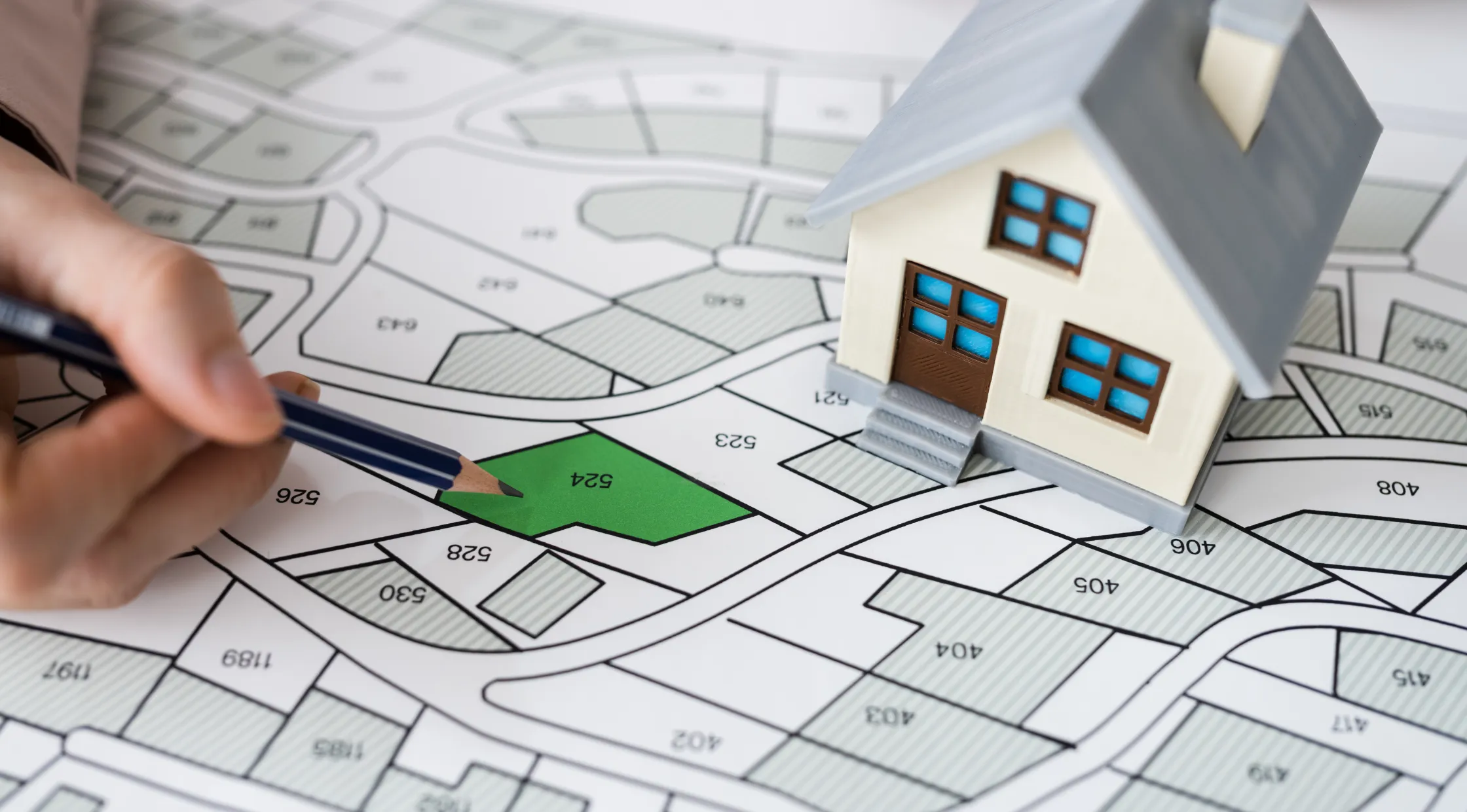
Gemengde projecten integreren wooneenheden, winkels en werkruimtes binnen één project of complex.
Anúncios
Deze ruimtes creëren multifunctionele omgevingen waar mensen kunnen wonen, winkelen en werken zonder lange reistijden.
Een typische opzet zou bijvoorbeeld kunnen bestaan uit appartementen boven winkels op de begane grond en aangrenzende kantoorunits.
Naast de basisintegratie omvatten deze projecten vaak voorzieningen zoals parken of sportscholen om de leefbaarheid te verhogen.
Ontwikkelaars ontwerpen ze om voetgangersverkeer te stimuleren en zo geïsoleerde gebouwen te transformeren in onderling verbonden knooppunten.
Dit model is geïnspireerd op historische stadsplanning, zoals oude marktplaatsen, maar past zich aan moderne behoeften aan met slimme technologie.
Niet alle projecten met gemengd gebruik zijn echter hetzelfde; sommige leggen de nadruk op luxe appartementen met boetiekjes, terwijl andere zich richten op betaalbare woningen in combinatie met gemeenschappelijke werkruimtes.
++ Hoe bouw je een cultuur waarin werken op afstand centraal staat in een groeiende startup?
Inzicht in deze diversiteit helpt belanghebbenden te begrijpen hoe zij passen in uiteenlopende stedelijke contexten.
Waarom winnen projecten met gemengd gebruik aan populariteit in 2025?
De toename in gemengde vastgoedprojecten in 2025 vloeit voort uit de verschuivingen na de pandemie naar flexibelere levensstijlen, waarbij thuiswerken de grenzen tussen thuis en kantoor vervaagt.
Steden als New York en Londen zien deze projecten als oplossingen voor het woningtekort, waarbij geïntegreerde ruimtes de afhankelijkheid van de auto verminderen.
Bovendien dwingen economische druk ontwikkelaars ertoe hun inkomstenstromen te diversifiëren door middel van meerdere toepassingen.
Een andere factor is de opkomst van e-commerce, waardoor winkelruimtes zijn omgevormd tot belevingszones binnen multifunctionele complexen.
Deze aanpassingsvermogen trekt investeerders aan die op zoek zijn naar veerkrachtige activa te midden van marktvolatiliteit.
++ Waarom sommige franchiseketens floreren tijdens recessies, terwijl andere ten onder gaan
Desondanks versnellen overheidsstimulansen, zoals belastingvoordelen voor duurzaam bouwen, de acceptatie ervan.
Is het niet intrigerend hoe deze ontwikkelingen onze veranderende werkgewoonten weerspiegelen?
Ze winnen aan populariteit door het isolement van thuiswerken aan te pakken en sociale interacties te bevorderen in ingebouwde cafés of co-working lounges.
Wat zijn de belangrijkste voordelen van gemengde vastgoedprojecten?
Een belangrijk voordeel is de versterkte gemeenschapszin, doordat bewoners dagelijks in gemeenschappelijke ruimtes contact hebben met lokale bedrijven en collega's.
Deze opzet vermindert de sociale fragmentatie die vaak voorkomt in uitgestrekte voorsteden en bevordert een gevoel van saamhorigheid.
Bovendien stimuleert het de lokale economie door de uitgaven binnen de ontwikkelingsgebieden te houden.
De vastgoedprijzen stijgen in deze gebieden vaak vanwege de gunstige ligging; een relevante statistiek toont aan dat gemengde bebouwing de waarde van omliggende woningen met 5-20% kan verhogen, aldus brancherapporten.
Deze waardestijging komt eigenaren ten goede en trekt verdere investeringen aan.
Bovendien bieden ze voordelen op het gebied van levensstijl, zoals kortere loopafstanden naar essentiële voorzieningen, wat de dagelijkse efficiëntie verbetert.
++ Spaarstrategieën die elk gezin zou moeten toepassen tijdens inflatieperioden
Zie gemengde woon- en werkgebieden als een goed afgestemd orkest, waar de harmonie van woningen samensmelt met het ritme van winkels en de melodie van werkruimtes, en zo een symfonie van het stadsleven vormt – een analogie die hun geïntegreerde aantrekkingskracht treffend weergeeft.
Hoe bevorderen gemengde vastgoedprojecten duurzaamheid?
Gemengde woon- en werkgebieden bevorderen duurzaamheid door stedelijke wildgroei te minimaliseren en de groei te concentreren in compacte gebieden, waardoor groene ruimten elders behouden blijven.
Ze stimuleren wandelen of fietsen, waardoor de CO2-uitstoot van voertuigen wordt verminderd.
In 2025 integreren veel huizen groene daken en zonnepanelen om hun ecologische voetafdruk verder te verkleinen.
Water- en energie-efficiëntie zijn essentieel; gedeelde systemen zoals stadsverwarming verlagen het verbruik per eenheid.
Deze aanpak sluit aan bij mondiale doelstellingen, zoals de Duurzame Ontwikkelingsagenda van de VN, door veerkrachtige gemeenschappen te creëren.
Bovendien maken ze in de bouw vaak gebruik van gerecyclede materialen, waarmee ze de norm stellen voor milieuvriendelijk bouwen.
Een origineel voorbeeld: in het fictieve "Harbor Hub"-project in Seattle combineerden ontwikkelaars ecologische appartementen met biologische markten op de begane grond en co-workingruimtes op zonne-energie, waardoor ze een energiebesparing van 30% realiseerden in vergelijking met afzonderlijke gebouwen.
Dit model laat praktische voordelen op het gebied van duurzaamheid zien.
Nog een voorbeeld: Londens conceptproject "Thames Blend" combineert woningen aan de rivier met ambachtelijke winkels en flexibele kantoren, waarbij regenwater wordt opgevangen om te voorzien in 401 ton niet-drinkbaar water. Dit project laat zien hoe gemengde bebouwing zich kan aanpassen aan lokale ecosystemen.
Welke uitdagingen staan gemengde vastgoedprojecten te wachten?
Bestemmingsplannen vormen een aanzienlijke uitdaging, omdat verouderde wetten vaak verschillende functies van elkaar scheiden, waardoor langdurige goedkeuringsprocedures nodig zijn die projecten vertragen.
Ontwikkelaars moeten zich een weg banen door complexe bureaucratieën, wat de kosten kan opdrijven.
Desondanks ontstaat er verzet vanuit de gemeenschap vanwege zorgen over toegenomen verkeer of geluidsoverlast in woonwijken.
Het financieren van projecten met gemengd gebruik is lastiger dan bij projecten met één specifiek doel, gezien de uiteenlopende risicoprofielen; kredietverstrekkers kunnen aarzelen als er geen aantoonbare staat van dienst is.
Dit kan innovatie in opkomende markten beperken.
Bovendien vereist het handhaven van een evenwicht tussen de verschillende componenten voortdurend beheer om te voorkomen dat één gebruik de overhand krijgt.
Economische recessies vergroten de kwetsbaarheden, omdat leegstand in de detailhandel tijdens recessies de algehele levensvatbaarheid aantast.
Adaptieve ontwerpen, zoals multifunctionele ruimtes, kunnen deze problemen echter na verloop van tijd verhelpen.
| Voordeel | Beschrijving | Impactvoorbeeld |
|---|---|---|
| Economische impuls | Gediversifieerde inkomsten uit meerdere toepassingen | Verhoogt de werkgelegenheid in de regio met 15-25% in de omliggende gebieden. |
| Duurzaamheid | Verminderde uitstoot door betere beloopbaarheid | Verlaagt de CO2-uitstoot met maximaal 20% per inwoner. |
| Gemeenschapsverbetering | Bevordert sociale interacties | Verbetert de tevredenheidsscores van bewoners met 10-15% |
| Vastgoedwaarde | Trekt huurders en kopers van topkwaliteit aan. | Verhoogt de waarde met 5-20% volgens rapporten uit 2025 |
Multifunctionele vastgoedprojecten: veelgestelde vragen
Nieuwsgierige mensen hebben vaak vragen over gemengde vastgoedprojecten, vooral in het veranderende vastgoedlandschap van 2025.
Deze vragen variëren van basisvragen tot vragen over beleggingen.
Door ze te begrijpen, wordt het concept begrijpelijker voor potentiële bewoners of ontwikkelaars.
De onderstaande tabel geeft een duidelijk overzicht van veelvoorkomende vragen.
| Vraag | Antwoord |
|---|---|
| Wat kenmerkt een gemengd vastgoedproject? | Een project dat woon-, winkel- en kantoorruimtes combineert voor een geïntegreerde leefomgeving. |
| Zijn gemengde vastgoedprojecten duurder om te bouwen? | Ja, vanwege de complexe ontwerpen, maar de inkomsten op lange termijn compenseren de kosten vaak. |
| Welke invloed hebben ze op het verkeer? | Ze verminderen het door wandelen te stimuleren, hoewel de initiële bouwwerkzaamheden tijdelijk tot een toename kunnen leiden. |
| Is investeren in gemengde projecten in 2025 nog wel veilig? | Over het algemeen wel, met spreiding van risico's, volgens marktanalyses. |
| Kunnen kleine steden hiervan profiteren? | Absoluut, door binnensteden nieuw leven in te blazen en jonge professionals aan te trekken. |
Gemengde woon- en werkgebieden herdefiniëren stedelijke efficiëntie door de essentiële levensbehoeften te combineren.
Deze integratie bespaart niet alleen tijd, maar verrijkt ook de ervaringen.
Succes is echter afhankelijk van een doordachte planning om de behoeften in evenwicht te brengen.
In bruisende metropolen compenseren ze isolatie met een ingebouwde levendigheid.
Voor meer diepgaande inzichten kunt u de trends in dit gebied verder onderzoeken. Rapport van de DLR Groep 2025.
Ze passen zich ook aan hybride werk aan, waardoor woon-werkverkeer overbodig wordt.
Economische synergieën ontstaan wanneer winkels profiteren van de toestroom van lokale bewoners.
Uitdagingen zoals betaalbaarheid moeten worden aangepakt door middel van inclusieve ontwerpen.
Bekijk hier de investeringsaspecten. JPMorgan-inzichten.
Duurzaamheidsaspecten, zoals het delen van energie, maken deze ruimtes toekomstbestendig.
Gemeenschappen floreren wanneer de diversiteit in gebruik de maatschappelijke diversiteit weerspiegelt.
Voor een overzicht van de voordelen, zie dit. Gids voor 2025.
Uiteindelijk duiden gemengde woon- en werkgebieden op een slimmere stedelijke toekomst.
