Risico's in de toeleveringsketen die de wereldmarkten blijven beïnvloeden
Risico's in de toeleveringsketen Deze factoren blijven de mondiale economische stabiliteit in 2026 bedreigen, nu internationale handelsroutes te maken krijgen met ongekende geopolitieke spanningen en aanhoudende klimaatverstoringen.
Anúncios
Moderne bedrijven worstelen met kwetsbare logistieke netwerken die bezwijken onder plotselinge regionale conflicten, cyberaanvallen en veranderende tariefpolitiek.
Financiële analisten waarschuwen dat multinationale ondernemingen hun inkoopstrategieën volledig moeten herzien om de aanhoudende marktvolatiliteit te overleven.
Inzicht in deze structurele kwetsbaarheden beschermt investeerders en bedrijfsleiders tegen catastrofale financiële verliezen.
Om je weg te vinden in dit complexe economische landschap, is het nodig om belangrijke geopolitieke knelpunten, technologische kwetsbaarheden en door het klimaat veroorzaakte vertragingen in het transport te onderzoeken.
Moderne bedrijven kunnen niet langer vertrouwen op productie vanuit één enkele bron, zonder het risico te lopen op ernstige voorraadtekorten.
Beschouw internationale handelsroutes als een fragiele glazen brug die de wereldhandel over turbulente financiële canyons voert. Bent u klaar om te ontdekken hoe bedrijven deze cruciale kwetsbaarheden tegenwoordig aanpakken?
Het omgaan met kwetsbaarheden in de wereldwijde logistiek
- Onderzoek naar geopolitieke knelpunten die van invloed zijn op scheepvaartroutes en containerkosten.
- Analyse van cyberbeveiligingsdreigingen gericht op geautomatiseerde haveninfrastructuur en inventarisdatabases.
- Het evalueren van klimaatgerelateerde weersverstoringen die van invloed zijn op cruciale spoor- en kanaaltransportroutes.
- Het beoordelen van de economische impact van het verplaatsen van productieactiviteiten dichter bij de consumentenmarkt.
Waarom vormen geopolitieke spanningen een bedreiging voor maritieme handelsroutes?
Risico's in de toeleveringsketen De situatie kan snel escaleren wanneer regionale conflicten vrachtschepen dwingen om om te varen langs gevaarlijke internationale maritieme knelpunten.
Rederijen mijden de Rode Zee-corridor nu vanwege aanhoudende veiligheidsdreigingen en leiden enorme containerschepen om Kaap de Goede Hoop heen.
Stel je voor dat een vrachtwagen een omweg van honderd mijl over een onverharde weg moet maken omdat de hoofdweg is ingestort.
Deze enorme omweg over zee verlengt de transittijden met weken en jaagt de wereldwijde vrachtvervoerskosten dramatisch op.
Economisch onderzoek gepubliceerd door de Internationaal Monetair Fonds Dit geeft aan dat aanhoudende vertragingen in de scheepvaart de wereldwijde inflatiedruk jaarlijks met bijna een half procentpunt verhogen.
Multinationale ondernemingen absorberen deze stijgende logistieke kosten en berekenen de hogere consumentenprijzen uiteindelijk door aan detailhandelaren wereldwijd.
Wanneer geopolitieke instabiliteit de belangrijkste handelsroutes verstoort, komen de productieprocessen op meerdere continenten abrupt tot stilstand. Proactieve diversificatie van scheepvaartroutes blijft daarom een absolute noodzaak voor bedrijven.
Welke invloed hebben regionale conflicten op de vrachtkosten?
Gewapende conflicten in belangrijke maritieme regio's dwingen rederijen tot het afsluiten van dure oorlogsrisicoverzekeringen en het verbruik van extra bunkerbrandstof voor langere reizen.
Deze oplopende operationele kosten leiden wereldwijd tot onmiddellijke prijsstijgingen voor containertransport op de spotmarkt.
++ Hoe gebruik je een SWOT-analyse voor financiële planning?
Waarom zijn kanaalvernauwingen zo gevaarlijk?
De wereldhandel is sterk afhankelijk van smalle, kunstmatige corridors zoals het Suezkanaal en het Panamakanaal om belangrijke productiecentra met afzetmarkten te verbinden.
Ernstige droogtes of geopolitieke blokkades kunnen deze cruciale waterwegen onmiddellijk lamleggen, waardoor commerciële vracht ter waarde van miljarden dollars vast komt te zitten.
Lees ook: Hoe de herstructurering van de toeleveringsketen de inflatie beïnvloedt
Wat is de rol van maritieme diversificatie?
Slimme logistieke managers onderhouden tegenwoordig contracten met meerdere scheepvaartallianties om vracht over diverse maritieme routes te distribueren.
Deze strategische flexibiliteit voorkomt volledige operationele verlamming wanneer een belangrijke handelsroute plotseling wordt afgesloten.
Hoe verlammen cyberaanvallen moderne logistieke netwerken?
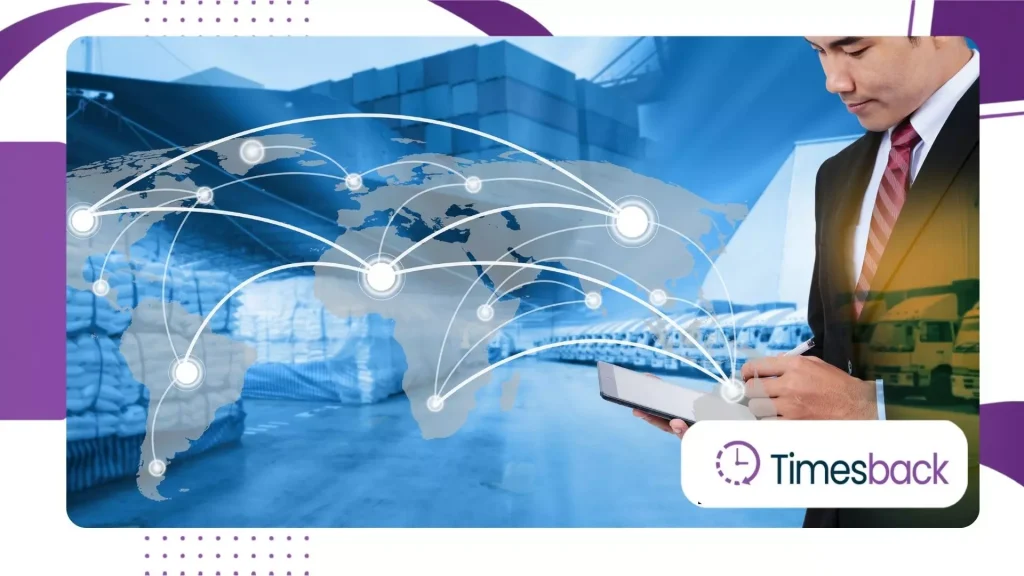
Risico's in de toeleveringsketen De cyberaanvallen dringen steeds verder door in de digitale wereld, doordat geavanceerde systemen voor havenbeheer en inventarisdatabases zich richten op geautomatiseerde systemen.
Hackers zetten ransomware in om douaneverwerkingsterminals lam te leggen, waardoor het transport van containers per vrachtwagen tussen belangrijke internationale handelscentra wordt stilgelegd.
Beschouw een digitaal netwerk als het zenuwstelsel dat een enorm industrieel apparaat aanstuurt; als de hersenen verlamd raken, stopt alle fysieke beweging.
Moderne toeleveringsketens zijn volledig afhankelijk van ononderbroken dataverbindingen om miljoenen zeecontainers wereldwijd te kunnen volgen.
Technologische risicobeoordelingen gepubliceerd door de Wereld Economisch Forum Uit onderzoek blijkt dat kwetsbaarheden in supply chain-software verantwoordelijk zijn voor meer dan dertig procent van de grote beveiligingsinbreuken bij bedrijven.
Wanneer kwaadwillenden software van derden hacken, storten onderling verbonden bedrijfsnetwerken als een rij dominostenen in elkaar.
Chief information officers geven tegenwoordig prioriteit aan zero-trust-architectuur en strenge leveranciersaudits om kritieke logistieke infrastructuur te beschermen. Digitale weerbaarheid beschermt fysieke handel tegen onzichtbare bedreigingen.
Lees meer: Rentegevoeligheid in verschillende economische sectoren
Waarom zijn geautomatiseerde havens zo'n aantrekkelijk doelwit?
Moderne zeehaventerminals maken gebruik van geavanceerde internet-of-things-sensoren, geautomatiseerde kranen en clouddatabases om de verwerkingssnelheid van containers aanzienlijk te verhogen.
Hoewel deze technologieën de efficiëntie verbeteren, vergroten ze ook het digitale aanvalsoppervlak voor kwaadwillende hackers.
Hoe kunnen ransomware-aanvallen de goederenstroom belemmeren?
Een succesvolle ransomware-aanval blokkeert de besturingssystemen van terminals, waardoor havenarbeiders geen vrachtbrieven meer kunnen controleren of containerwagens kunnen versturen.
Gestrande vrachtwagens veroorzaken enorme verkeersopstoppingen die zich kilometers ver buiten de havenpoorten uitstrekken.
Waarom is auditing van software door derden cruciaal?
Veel bedrijven besteden het beheer van logistieke software uit aan externe leveranciers die mogelijk geen robuuste cyberbeveiligingsprotocollen hebben.
Uitgebreide softwareaudits zorgen ervoor dat externe partners geen fatale kwetsbaarheden in bedrijfsnetwerken introduceren.
Welke rol spelen klimaatverstoringen bij vertragingen in het transport?
Risico's in de toeleveringsketen Dit aantal neemt exponentieel toe naarmate extreme weersomstandigheden, veroorzaakt door de wereldwijde klimaatverandering, cruciale spoor-, weg- en binnenvaartroutes ontregelen.
Ernstige droogtes zorgen voor een drastische daling van het waterpeil in het Panamakanaal en de Rijn, waardoor vrachtschepen gedwongen worden om een kleinere lading te vervoeren.
Stel je voor dat een zware goederentrein moeite heeft om een steile bergpas te beklimmen omdat hevige regenval de helft van het ballastmateriaal heeft weggespoeld.
De volatiliteit van het milieu verandert betrouwbare infrastructuurnetwerken in onvoorspelbare obstakels voor commerciële transporteurs.
Uit rapporten over logistieke efficiëntie, gepubliceerd door internationale scheepvaartbedrijven, blijkt dat klimaatgerelateerde vertragingen tijdens het transport internationale bedrijven miljarden kosten aan gemiste leveringstermijnen en voorraadkosten.
Winkeliers moeten grotere voorraden aanhouden in regionale magazijnen om onverwachte weersgerelateerde productiestops op te vangen.
Om te kunnen omgaan met een instabiel milieu is het essentieel te investeren in veerkrachtige, multimodale transportnetwerken in alle operationele regio's. Duurzaamheid en de zekerheid van de toeleveringsketen gaan hand in hand.
Welke invloed hebben lage waterstanden op binnenvaartschepen?
Rivieren zoals de Mississippi en de Rijn fungeren als vitale industriële transportroutes voor het vervoer van ruwe steenkool, graan en grote hoeveelheden productiematerialen.
Door de aanhoudende droogte is de waterdiepte afgenomen, waardoor rederijen de lading van hun binnenvaartschepen tot wel vijftig procent moeten verlichten.
Waarom zijn spoorwegnetwerken kwetsbaar voor extreme hitte?
Langdurige hittegolven in de zomer zorgen ervoor dat stalen spoorrails kromtrekken en vervormen door extreme thermische uitzetting, wat noodgedwongen snelheidsbeperkingen of volledige sluiting van spoorlijnen tot gevolg heeft.
Goederentreinen die bederfelijke goederen vervoeren, lijden aanzienlijke verliezen door bederf tijdens deze tussenstops.
Hoe beperken logistiek managers de risico's van het weer?
Geavanceerde software voor voorspellende analyses combineert nu realtime meteorologische gegevens met kunstmatige intelligentie om transporten om te leiden voordat zware stormen toeslaan.
Door proactief om te leiden worden vertragingen tijdens het transport geminimaliseerd en wordt waardevolle lading beschermd tegen milieuschade.
Vergelijkingsmatrix voor de kwetsbaarheid van de wereldwijde toeleveringsketen
De onderstaande tabel vergelijkt traditionele, kwetsbare supply chain-modellen met moderne, veerkrachtige logistieke strategieën aan de hand van belangrijke economische dimensies.
| Dimensie van de toeleveringsketen | Traditioneel kwetsbaar model | Moderne veerkrachtstrategie |
| Inkoopstrategie | Eén goedkope buitenlandse leverancier | Gediversifieerde inkoop in meerdere regio's en nabij de kust. |
| Voorraadbeheer | Just-in-time lean voorraadbeheer | Buffervoorraden en regionale opslag |
| Logistieke zichtbaarheid | Gefragmenteerde handmatige volgsystemen | Realtime AI-analyses en voorspellende routeplanning |
| Risicobeperking | Reactief crisismanagement | Proactieve cyberbeveiliging en klimaatplanning |
Economische stabiliteit waarborgen door proactieve aanpassing van de toeleveringsketen
Risico's in de toeleveringsketen aantonen dat moderne wereldhandel constante waakzaamheid, strategische diversificatie en technologische innovatie vereist om de aanhoudende volatiliteit te overleven.
Door nearshoring te omarmen, digitale netwerken te versterken en zich voor te bereiden op klimaatverstoringen, kunnen bedrijven hun activiteiten beschermen tegen onvoorziene marktschokken.
Economische stabiliteit is afhankelijk van het opbouwen van robuuste, flexibele logistieke structuren die bestand zijn tegen geopolitieke of ecologische stormen.
Neem even de tijd om de weerbaarheid van uw eigen inkoopstrategie te evalueren. Hoe bereidt uw bedrijf zich voor op toekomstige verstoringen in de internationale handel? Deel uw gedachten in de reacties hieronder!
Veelgestelde vragen
Wat zijn de belangrijkste oorzaken van verstoringen in de moderne toeleveringsketen?
Moderne logistieke verstoringen worden voornamelijk veroorzaakt door geopolitieke conflicten die de maritieme handelsroutes beïnvloeden, cyberaanvallen op digitale infrastructuur en extreme weersomstandigheden die transportroutes treffen.
Hoe helpt nearshoring bij het beperken van internationale handelsrisico's?
Nearshoring houdt in dat productieactiviteiten dichter bij de binnenlandse consumentenmarkten worden geplaatst, waardoor de transportafstanden, verzendkosten en de blootstelling aan geopolitieke knelpunten in het buitenland aanzienlijk worden verminderd.
Waarom nemen cyberaanvallen binnen logistieke netwerken toe?
Logistieke netwerken zijn sterk afhankelijk van onderling verbonden digitale systemen en softwareleveranciers van derden, waardoor ze aantrekkelijke doelwitten zijn voor hackers die de handel willen verstoren of losgeld willen afpersen.
Hoe gaan bedrijven om met de onvoorspelbare tarieven voor zeecontainers?
Bedrijven beheersen de volatiele vrachtprijzen door hun contracten met vervoerders te diversifiëren, gebruik te maken van langetermijnhedgingovereenkomsten en strategische buffervoorraden aan te houden in regionale opslagcentra.
Kan voorspellende kunstmatige intelligentie vertragingen in het openbaar vervoer voorkomen?
Ja, geavanceerde AI-algoritmen analyseren realtime weergegevens, havencongestie en geopolitieke gegevens om zendingen automatisch om te leiden voordat knelpunten de leveringsschema's ernstig in gevaar brengen.