
Ontwikkeling gericht op openbaar vervoer trekt langetermijninvesteerders aan.
Transit-Oriented Development investment strategies are reshaping modern real estate portfolios by anchoring capital around high-capacity transit corridors.
Anúncios
Urban planners and forward-thinking investors increasingly prioritize properties adjacent to commuter rail lines, subways, and bus rapid transit networks.
This symbiotic relationship between mobility and property value generation establishes a resilient foundation for long-term financial growth.
Modern cities demand efficient commuting solutions, making well-connected real estate a prime asset class.
Smart financial planning requires understanding how metropolitan growth corridors drive sustainable leasing demand and capital appreciation.
Urban density increases foot traffic, directly boosting retail and residential asset performance in transit hubs.
Economic shifts reward properties that minimize automobile dependency and offer seamless urban mobility. Are you ready to discover how transit integration secures superior long-term yields?
Key Highlights of Transit Investment Dynamics
- Evaluating multimodal transportation access and pedestrian-friendly urban design frameworks.
- Analyzing demographic shifts favoring walkable, high-density metropolitan neighborhoods.
- Assessing long-term capitalization rates and rental yield stability near transit hubs.
- Mitigating municipal zoning risks through transit-aligned commercial and residential projects.
What Drives Long-Term Value in Transit-Centric Real Estate?
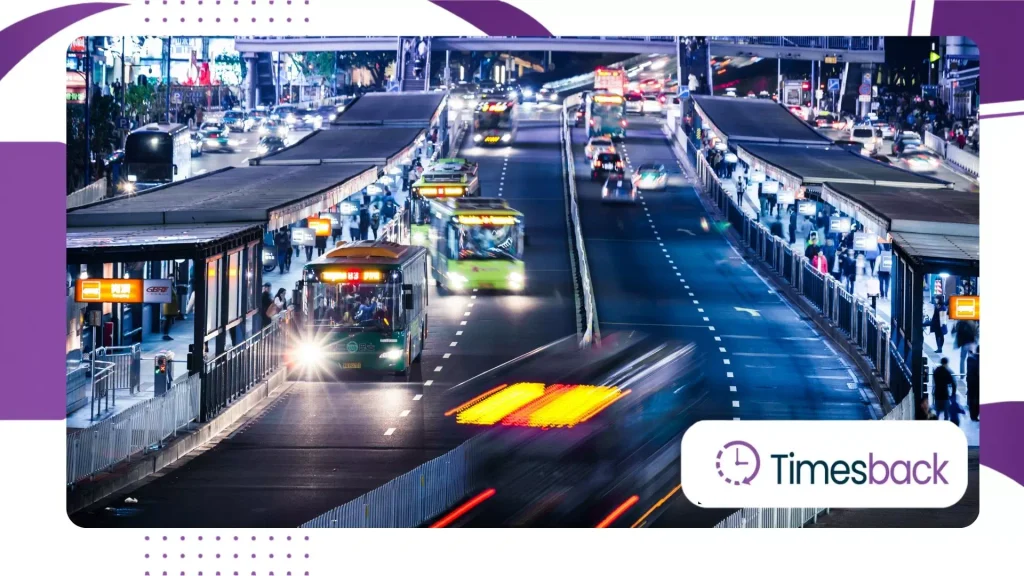
Transit-Oriented Development projects capture sustained demand by offering residents effortless access to urban centers without vehicular congestion.
Metropolitan populations continue expanding upward, elevating the intrinsic land value surrounding established railway and subway terminals.
Smart investors recognize that proximity to reliable public transit acts as a permanent economic magnet. Urban real estate research published by the Urban Land Institute confirms that properties near rail stations command consistent rental premiums.
Municipalities actively incentivize high-density construction near transit nodes to reduce carbon emissions and ease regional traffic bottlenecks.
This legislative backing provides real estate developers and institutional investors with a predictable regulatory environment and long-term security.
Consequently, capital allocation flows naturally toward these strategic corridors. Urban evolution consistently favors locations offering ultimate commuter convenience.
Why Do Urban Residents Prefer Walkable Commutes?
Modern professionals prioritize time efficiency over lengthy suburban commutes. Living near transit hubs eliminates daily driving stress completely.
Walkability enhances daily lifestyle satisfaction significantly. Reduced car dependency lowers household living expenses. Sustainable neighborhoods attract stable, long-term tenants.
++ De vastgoedsector voor de life sciences-sector breidt zich uit buiten de grote technologiecentra.
How Does Municipal Zoning Favor Transit Zones?
Local governments grant higher floor area ratios near stations. Developers build denser projects to maximize revenue. Zoning incentives reduce bureaucratic approval friction notably.
City planners encourage mixed-use commercial and residential integration. Regulatory support protects long-term capital investments effectively.
Lees ook: Investeringen in seniorenwoningen nemen toe nu de vraag een piek bereikt.
What Impact Do Rail Networks Have on Yields?
Subway and rail lines guarantee permanent physical positioning. Fixed infrastructure prevents sudden shifts in regional accessibility.
Rental income remains stable during broader economic downturns. Property appreciation outperforms standard suburban real estate averages. Investors enjoy reliable, compounding financial returns annually.
How Do Investors Measure ROI in Transit Corridors?
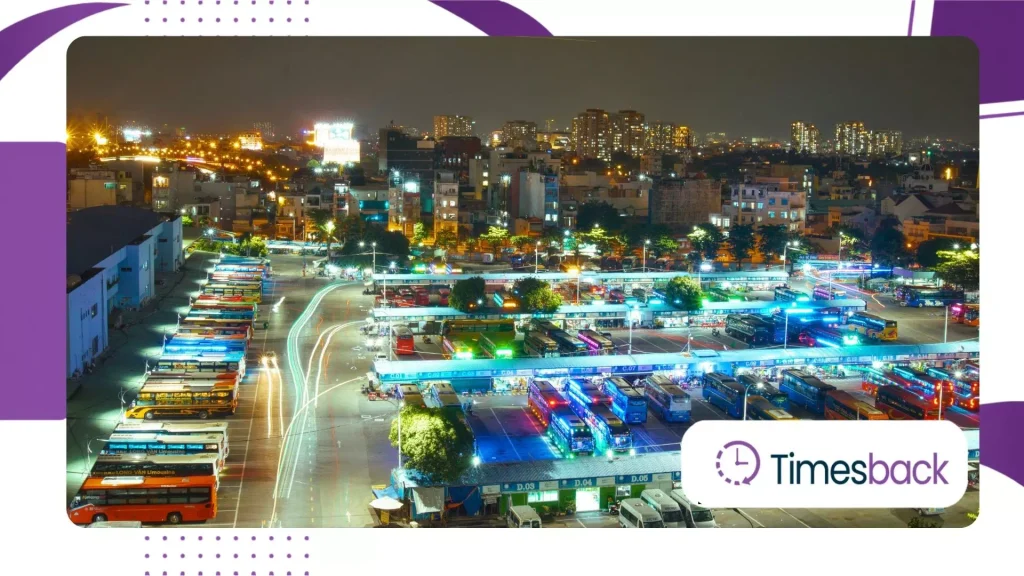
Transit-Oriented Development metrics evaluate capitalization rates, foot traffic density, and commercial lease velocity within designated transit zones.
Financial analysts track commuter volume growth to project future retail revenue and residential occupancy rates accurately.
Smart underwriting incorporates multimodal accessibility scores alongside traditional square footage valuations.
Real estate portfolio managers rely on comprehensive transit data to minimize vacancy risks and optimize cash flow distribution.
Commercial tenants willingly pay higher lease rates for storefronts capturing thousands of daily commuters passing through transit stations.
This consistent foot traffic translates directly into robust retail performance and lower tenant turnover ratios.
Residential units experience similar advantages, maintaining high occupancy even during broader economic fluctuations. Economic resilience remains the ultimate hallmark of well-executed transit investments.
Lees meer: Vastgoedtransacties buiten de reguliere markt worden schaars in de investeringscyclus van 2026.
What Metrics Determine Commercial Lease Success?
Daily pedestrian foot traffic volume dictates retail pricing power. Ground-floor storefronts capture captive commuter audiences effortlessly. Lease renewal rates remain exceptionally high near terminals.
Businesses thrive on steady, predictable daily customer flows. Strategic retail placement guarantees optimal operational revenue.
How Do Cap Rates Differ Near Transit Stations?
Transit-adjacent properties exhibit compressed capitalization rates due to safety. Institutional buyers compete aggressively for prime station parcels.
Lower cap rates reflect higher perceived asset security. Long-term appreciation offsets lower initial yield percentages. Market liquidity remains strong across economic cycles.
Why Are Mixed-Use Projects Highly Profitable?
Combining residential, office, and retail spaces diversifies income. Building vertical complexes maximizes limited downtown land footprints.
Mixed-use environments create vibrant, self-sustaining community ecosystems. Tenants enjoy live-work-play convenience within steps. Multi-stream revenue protects overall portfolio stability.
What Challenges Exist in Transit-Centric Real Estate?
Transit-Oriented Development initiatives face complex regulatory hurdles, high initial land acquisition costs, and rigorous community planning approvals.
Investors must navigate intricate zoning laws and environmental impact assessments before breaking ground on dense urban parcels.
Smart developers collaborate closely with municipal authorities to streamline project timelines and mitigate unexpected construction delays.
Overcoming initial capital intensity requires robust financial partnerships and sophisticated risk management strategies.
Community opposition regarding gentrification and parking scarcity often complicates approval processes for new transit-adjacent projects.
Developers must address local concerns through transparent public engagement and inclusive housing provisions.
Balancing high-density architectural ambition with neighborhood preservation demands diplomatic negotiation and careful design execution.
Navigating these obstacles successfully separates elite real estate developers from casual market participants.
How Can Developers Overcome High Land Costs?
Acquiring older industrial parcels near stations lowers acquisition expenses. Public-private partnerships share heavy initial infrastructure investment burdens.
Utilizing tax increment financing accelerates capital deployment. Strategic land assembly unlocks hidden development potential. Government grants subsidize affordable housing integration costs.
What Solutions Resolve Community Opposition Effectively?
Hosting open public forums addresses resident concerns early. Incorporating community feedback refines architectural design proposals.
Providing dedicated public green spaces builds local goodwill. Allocating affordable housing units satisfies municipal mandates. Transparent communication fosters long-term neighborhood trust.
Why Are Environmental Regulations Crucial Here?
Brownfield sites require thorough environmental remediation before construction. Sustainable building standards minimize long-term ecological footprints.
Green certifications attract eco-conscious corporate tenants easily. Modern ESG compliance protects portfolios from future penalties. Environmental diligence ensures sustainable community health.
Transit Investment Performance Matrix
The structured table below contrasts traditional suburban real estate investments with transit-oriented urban developments across key performance dimensions.
| Investment Dimension | Traditional Suburban Real Estate | Transit-Oriented Urban Development |
| Foot Traffic Density | Low, dependent on personal vehicle travel | Extremely high, driven by daily commuters |
| Capital Appreciation | Moderate, subject to urban expansion limits | High, anchored by permanent transit infrastructure |
| Tenant Retention | Variable, influenced by local school districts | Consistent, sustained by professional commuters |
| Asset Liquidity | Lower, longer marketing times during downturns | Superior, highly sought after by institutional funds |
Securing Future Portfolios Through Smart Urban Planning
Transit-Oriented Development represents a paradigm shift in how capital flows into resilient, future-proof metropolitan real estate assets.
By focusing on multimodal connectivity, high-density mixed-use zoning, and sustainable urban design, investors secure enduring market value.
Embracing these transit-aligned strategies empowers portfolio managers to navigate economic uncertainties with absolute confidence.
How will your investment strategy adapt to evolving metropolitan transit corridors? Share your insights and experiences in the comments below!
Veelgestelde vragen
What defines a successful transit-oriented real estate investment?
Strategic proximity to high-capacity rail or bus transit nodes combined with mixed-use zoning ensures sustained tenant demand and long-term capital appreciation.
Why do institutional investors favor transit-adjacent properties?
These assets offer superior liquidity, compressed capitalization rates, and lower vacancy risks due to permanent infrastructure positioning and heavy commuter foot traffic.
How does zoning impact transit-centric property values?
Favorable municipal zoning permits higher floor area ratios and mixed-use integration, allowing developers to maximize building density and revenue potential.
What are the primary risks in transit real estate projects?
High initial land acquisition costs, complex environmental regulations, and potential community opposition during the municipal approval process represent primary challenges.
Can small-scale investors participate in transit developments?
Yes, through real estate investment trusts or syndications focused on urban core commercial and residential properties near growing transit corridors.