
Credit Counseling Services Gain Attention During Slowdowns
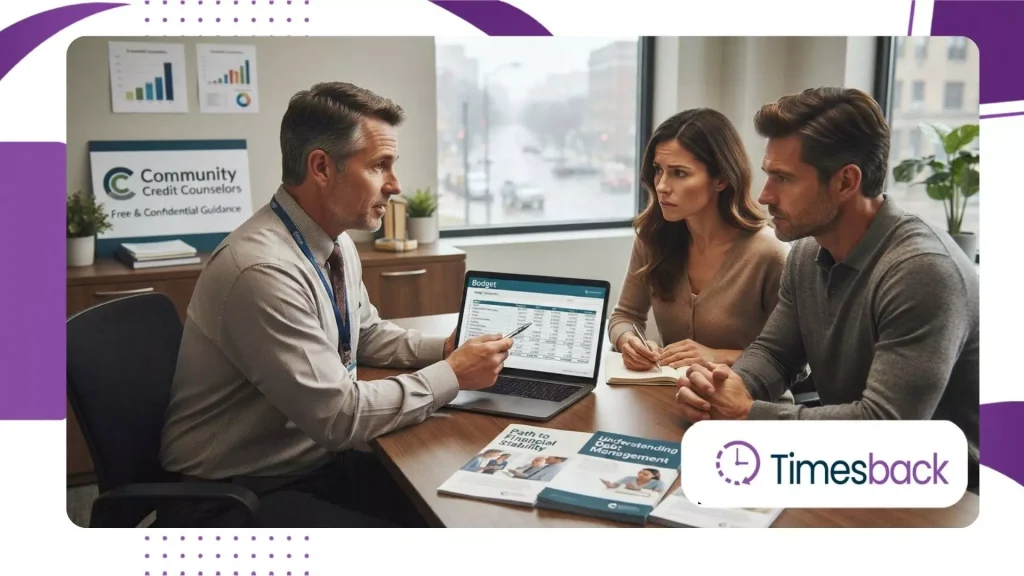
Credit counseling services provide an essential lifeline for consumers navigating economic uncertainty and rising household debt burdens in 2026.
广告
Economic slowdowns routinely pressure family budgets, leaving many individuals struggling to meet minimum credit card payments and utility bills.
Professional guidance helps households restructure debts, negotiate lower interest rates, and avoid the devastating long-term consequences of personal bankruptcy.
Taking early action transforms a compounding financial crisis into a manageable, structured recovery plan.
Understanding available debt relief options empowers you to make informed decisions before missed payments damage your credit score severely.
Financial stress affects mental health and family stability, making proactive counseling a vital tool for holistic wellness.
Expert advisors offer objective assessments tailored to your unique income and expense profile. Are you ready to take control of your financial future today?
Essential Roadmap for Financial Recovery
- Evaluating professional debt management plans and credit counseling benefits.
- Negotiating lower interest rates and fee waivers with major creditors.
- Rebuilding household budgets to prevent future reliance on high-interest credit.
- Restoring credit score health through structured repayment milestones.
什么是 Credit Counseling Services and How Do They Operate?
Credit counseling services function as professional educational and debt-restructuring agencies designed to help consumers regain control over personal finances.
Certified counselors review your complete income, asset, and liability ledger to design a realistic monthly spending budget.
They act as neutral intermediaries between you and your creditors, advocating for fair repayment terms.
Think of a credit counselor as an experienced financial navigator steering your ship away from hidden reefs during a storm.
Most reputable agencies operate as non-profit organizations offering initial consultations free of charge or at minimal cost to the consumer.
During these sessions, counselors explore various debt relief options, including debt management plans that consolidate multiple payments into one monthly bill.
According to data from the National Foundation for Credit Counseling, clients who complete structured repayment programs experience significant reductions in overall debt loads.
Professional intervention prevents panic-driven financial mistakes during economic downturns.
How Do Debt Management Plans Function?
Debt management plans allow agencies to pool your unsecured debts into a single monthly payment distributed directly to your lenders.
Creditors frequently agree to lower interest rates and waive late fees in exchange for guaranteed, consistent monthly disbursements.
This structured approach accelerates principal reduction significantly compared to making minimum payments alone.
Why Choose Non-Profit Counseling Agencies?
Non-profit counseling organizations prioritize consumer education and sustainable financial rehabilitation over aggressive profit-driven collection tactics.
Their certified professionals adhere to strict ethical standards, ensuring transparent fee disclosures and personalized support.
Selecting an accredited non-profit safeguards you against predatory debt settlement scams.
另请阅读: 电子发票系统将在2026年改变信用支付周期
Can Counseling Prevent Personal Bankruptcy?
Early engagement with financial advisors often resolves severe debt crises long before legal bankruptcy proceedings become necessary.
Counselors help you exhaust all voluntary repayment avenues, preserving your long-term borrowing capacity and personal asset ownership.
Proactive budgeting remains your strongest defense against extreme financial distress.
Why Are Consumers Seeking Financial Guidance During Economic Slowdowns?
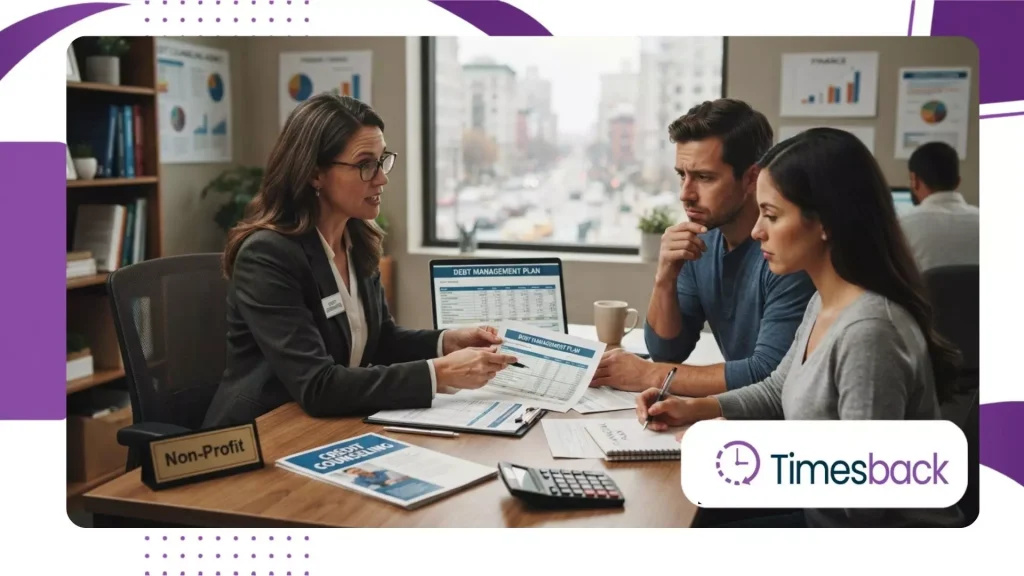
Economic contractions amplify job insecurity and inflation pressures, driving a massive surge in demand for professional credit counseling services nationwide.
When living costs outpace wage growth, households frequently rely on revolving credit cards to cover basic grocery and utility expenses.
This temporary fix quickly snowballs into unsustainable debt as interest charges accumulate month after month. Professional guidance helps families identify wasteful spending and establish rigorous emergency savings buffers.
Statistics published by the Federal Reserve indicate that total household revolving debt continues to challenge millions of working-class families.
Seeking expert help removes the isolation and shame often associated with personal financial struggles, providing a clear path forward.
Communities thrive when residents receive the educational tools required to achieve lasting economic stability. Financial literacy is a fundamental pillar of modern societal resilience.
阅读更多: 人工智能信用风险模型将在2026年重塑贷款决策
How Does Inflation Impact Consumer Debt?
Persistent inflation reduces purchasing power, forcing consumers to redirect discretionary funds toward essential housing and food expenditures.
When unexpected emergencies occur, families lack liquid cash reserves, leaving credit cards as their only immediate lifeline.
Financial counselors teach clients how to build emergency funds even during tight economic cycles.
What Psychological Relief Does Counseling Provide?
Drowning in debt triggers chronic anxiety and sleepless nights, impairing cognitive focus at work and home. Meeting with an empathetic, non-judgmental financial counselor immediately alleviates the crushing weight of monetary worry.
Having a concrete, actionable roadmap restores personal confidence and psychological well-being.
How Do Creditors View Certified Debt Plans?
Major credit card issuers respect formal debt management plans administered by accredited counseling organizations and often grant immediate concessions.
Lenders prefer consistent, guaranteed monthly payments over risky default scenarios or costly legal collection efforts. Mutual cooperation benefits both borrowers and lending institutions alike.
What Steps Should You Take to Choose the Right Agency?
Selecting appropriate credit counseling services requires careful research to verify credentials, accreditations, and consumer protection compliance records.
Legitimate agencies hold certifications from recognized industry bodies like the National Foundation for Credit Counseling or the Financial Counseling Association of America.
Beware of for-profit companies promising miraculous debt erasure overnight for exorbitant upfront fees. Due diligence protects your hard-earned money from fraudulent operators looking to exploit vulnerable consumers.
Always request a written breakdown of all potential fees, monthly service charges, and program duration estimates before signing any agreement.
A trustworthy counselor will never pressure you into an immediate commitment without thoroughly explaining all available alternatives.
Empowering yourself with accurate information ensures you partner with an ethical organization dedicated to your success. Your financial recovery deserves professional integrity and unwavering support.
Why Is Industry Accreditation Non-Negotiable?
Accredited agencies must maintain strict operational standards, data privacy protocols, and ongoing staff certification requirements.
Verifying membership in recognized national associations guarantees that your counselor possesses up-to-date legal and financial training.
Regulatory oversight protects consumers from predatory business practices.
What Questions Should You Ask Your Counselor?
Inquire about the specific debt reduction percentages they typically achieve with your specific creditors before enrollment.
Ask whether creditors will close your credit card accounts upon entering a management plan, as this impacts your credit history. Clear upfront communication prevents unwelcome surprises down the road.
How Long Do Structured Repayment Plans Last?
Most standard debt management plans successfully conclude within three to five years of consistent, disciplined monthly payments.
The exact timeline depends on your total unsecured debt volume and your agreed-upon monthly budget capacity. Patience and persistence are the true keys to crossing the finish line debt-free.
Financial Recovery Service Comparison Matrix
The structured table below contrasts the key characteristics of DIY budgeting, debt consolidation loans, and professional credit counseling programs.
| Intervention Method | Average Cost Structure | 对信用评分的影响 | 主要益处 | Best Suited For |
| DIY Budgeting | 自由的 | Neutral to Positive | Full personal control | Mild budget adjustments |
| Debt Consolidation Loan | Origination fees & interest | Initial dip, then recovery | Single simplified payment | Moderate debt with good credit |
| Credit Counseling Plan | Low monthly administrative fees | Temporary drop, long-term rise | Lowered interest rates & fee waivers | Severe debt and high stress |
Restoring Lifelong Financial Independence
Navigating economic headwinds becomes significantly more manageable when utilizing professional credit counseling services to restructure overwhelming debt obligations.
By confronting financial challenges directly, adopting disciplined budgeting habits, and leveraging expert guidance, you reclaim total control over your economic destiny.
True financial freedom is not about never facing hardship; it is about having the tools and resilience to overcome any obstacle. Take the first step toward a debt-free future by scheduling a professional consultation this week.
What strategies have helped you maintain financial stability during challenging economic times? Share your experience in the comments below!
常见问题解答
Will using a credit counseling service ruin my credit score?
Entering a debt management plan does not directly lower your credit score, but closing unsecured credit cards as required by some creditors may cause a temporary dip.
Over time, consistent on-time monthly payments and declining total debt balances will significantly improve your overall creditworthiness.
Are credit counseling consultations completely confidential?
Yes, reputable non-profit credit counseling agencies adhere to strict privacy laws and professional ethics codes, ensuring your personal financial information remains entirely confidential.
Your employer and friends will never be notified about your participation in a counseling program.
What is the difference between credit counseling and debt settlement?
Credit counseling focuses on repaying one hundred percent of your principal balance through lowered interest rates and waived fees via structured plans.
Debt settlement companies negotiate to pay a fraction of what you owe, which can severely damage your credit score and trigger unexpected tax liabilities on forgiven debt.
