
Consumer Spending Patterns During Economic Slowdowns

Consumer spending patterns dictate the rhythm of global commerce, shifting dramatically whenever macroeconomic indicators point toward an impending financial contraction.

广告

Households across developed nations quickly recalibrate their budgets as inflation pressures, rising interest rates, and employment uncertainties squeeze household cash flows.

Families replace luxury excursions and dining out with frugal home cooking and essential-only shopping lists. Retailers watch nervously as discretionary purchases drop, forcing rapid inventory markdowns to maintain liquidity.

Analyzing these behavioral shifts reveals how ordinary citizens cope with tightening financial constraints during volatile economic cycles.

Every dollar saved or redirected alters corporate revenue streams and reshapes entire industrial sectors overnight.

Understanding these shifts provides critical foresight for investors and policy makers navigating uncertain markets. Can local businesses adapt fast enough to survive shifting buyer priorities?

Navigating Economic Shifts

  • Analyzing how households restructure discretionary budgets during financial slowdowns.
  • Identifying retail sectors most vulnerable to sudden contractions in demand.
  • Examining behavioral triggers behind defensive savings rate spikes.
  • Evaluating corporate strategies used to capture frugal consumer segments.

What Drives Shifts in Household Budgets During Downturns?

Consumer spending patterns change immediately when households perceive rising risks regarding job security and future income stability.

Families instinctively prioritize shelter, basic groceries, and utility bills while slashing non-essential entertainment and apparel budgets.

Think of household finance as a sailing ship navigating a sudden storm; the captain must throw overboard heavy luxury cargo to keep the vessel afloat.

When economic clouds gather, everyday shoppers transform into cautious financial guardians protecting their remaining cash reserves.

近期经济数据由 美联储 illustrates that personal savings rates often spike sharply during periods of macroeconomic uncertainty.

Consumers pull back from credit card reliance, opting instead for cash-only purchases to avoid punishing interest rate burdens.

Retail brands relying on impulse buying suffer steep revenue drops as shoppers scrutinize every single checkout item. This widespread behavioral pivot forces entire supply chains to reconfigure production targets downward.

How Do Retailers Respond to Falling Demand?

Stores slash prices aggressively and launch deep discount promotions to clear stagnant inventory and generate cash flow.

Marketing departments pivot messaging toward value, durability, and practical utility rather than emotional luxury appeal. Margins shrink drastically as merchants fight fiercely for a smaller pool of active buyers.

++ 如何运用SWOT分析进行财务规划

Why Do Discretionary Categories Suffer Most?

Travel bookings, luxury apparel, and high-end electronics represent flexible expenditures that families can easily defer indefinitely.

When budgets tighten, these enjoyable extras vanish first from monthly bank statements without causing immediate life disruption. Consequently, luxury brands experience the sharpest contractions during early recessionary phases.

另请阅读: 供应链重组如何影响通货膨胀

Can Essential Goods Maintain Stable Volumes?

Supermarkets and basic healthcare providers experience steady demand because basic human survival needs remain constant regardless of market cycles.

However, even within grocery aisles, shoppers trade down from premium brand-name items to cheaper store labels. Brand loyalty weakens temporarily as household thriftiness takes absolute priority over convenience.

How Do Consumer Credit Trends Shift in Slowdowns?

图像: Canva

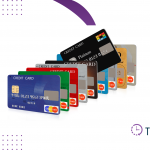
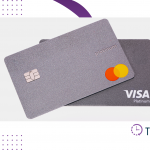
Consumer spending patterns heavily influence credit card utilization rates and short-term debt management strategies during economic contractions.

Borrowers grow increasingly reluctant to assume new monthly liabilities when employment horizons appear hazy and unpredictable.

Financial institutions tighten lending standards simultaneously, restricting credit card limits to mitigate rising default risks across vulnerable demographics.

Households focus intensely on paying down high-interest revolving balances rather than financing new purchases.

Data from credit bureaus confirms that delinquency rates on unsecured personal loans often rise during prolonged economic slowdowns.

Families rely on emergency savings buffers until depletion forces them into difficult borrowing decisions.

Imagine a household financial runway shortening rapidly while income streams face unexpected turbulence or stagnation. Prudent credit management becomes the singular defense against compounding financial distress.

阅读更多: 不同经济部门的利率敏感性

Why Do Banks Tighten Lending Standards?

Lenders anticipate higher job losses and reduced repayment capacity among retail borrowers during macroeconomic contractions.

Restricting new credit card issuance and lowering existing credit ceilings protects banking balance sheets from catastrophic default spikes. Risk aversion dictates every credit underwriting decision during downturns.

How Do Households Prioritize Debt Repayment?

Mortgages and auto loans receive absolute priority to protect essential housing and transportation needs from repossession.

Unsecured debts like credit cards and personal loans fall secondary, occasionally leading to formal debt restructuring negotiations. Financial survival dictates a ruthless prioritization of fixed monthly obligations.

Can Buy-Now-Pay-Later Services Survive Downturns?

Buy-now-pay-later platforms face severe stress tests as financially strapped users struggle with multiple overlapping installment commitments.

Regulatory scrutiny increases as debt accumulation among younger demographics reaches uncomfortable macroeconomic thresholds. These alternative credit models must adapt quickly to survive tighter regulatory and economic realities.

Why Do Consumer Confidence Indices Matter for Markets?

Consumer spending patterns correlate directly with monthly consumer confidence surveys published by independent economic research institutions.

When consumer sentiment plummets, actual retail sales figures almost universally follow suit within subsequent reporting quarters.

Markets monitor these psychological indices closely to gauge the psychological depth and potential duration of economic slowdowns. Pessimism becomes a self-fulfilling prophecy as hesitant buyers freeze discretionary spending completely.

Academic studies in behavioral economics demonstrate that public perception of economic health often outweighs raw statistical data.

If households believe a recession is inevitable, they hoard cash defensively long before actual job losses occur.

This preemptive belt-tightening accelerates retail slowdowns, proving that economic momentum relies heavily on collective psychology. Restoring consumer trust remains the primary objective of fiscal stimulus packages.

How Do Sentiment Surveys Predict Retail Sales?

Surveys measure household willingness to make major purchases like automobiles, home appliances, and residential real estate over coming months.

Declining purchasing intentions signal impending drops in corporate earnings for consumer goods manufacturers. Analysts use these forward-looking indicators to forecast quarterly GDP growth accurately.

Why Does Media Coverage Influence Buyer Psychology?

Pessimistic news headlines amplify household anxiety, accelerating defensive spending cuts across broad demographic segments.

Constant repetition of economic hardship creates a pervasive atmosphere of scarcity and financial vulnerability. Media narratives directly shape the speed and intensity of consumer withdrawal.

Can Government Intervention Restore Spending Confidence?

Targeted fiscal stimulus checks and tax rebates provide immediate liquidity that temporarily buoys sagging retail demand.

Direct cash injections remind households of governmental support, easing short-term panic and encouraging cautious spending resumption. Policy timing remains critical to reversing negative confidence spirals effectively.

Macroeconomic Consumer Behavior Comparison Matrix

The structured table below contrasts consumer financial behavior during robust economic expansions versus contractionary slowdowns.

经济指标Expansionary Phase BehaviorContractionary Slowdown BehaviorPrimary Resulting Market Impact
Discretionary SpendingHigh volume, focus on luxury and experiencesSeverely depressed, focus on absolute basicsRetail margin compression and inventory gluts
储蓄率Low, reliance on future income growthHigh, aggressive defensive cash hoardingSlower velocity of money and retail contraction
信用利用率Expanding credit card balances and loansDeleveraging, strict focus on debt reductionLower banking interest revenue and tighter lending
品牌忠诚度Strong preference for premium brand namesHigh switching rate to private label genericsManufacturer price wars and promotional discounting

Navigating Future Economic Uncertainty

分析 consumer spending patterns provides essential clarity for businesses striving to survive unpredictable macroeconomic cycles.

By understanding how households restructure budgets, prioritize debt, and react to sentiment shifts, executives can future-proof their operations.

Economic downturns test corporate resilience, separating poorly managed enterprises from agile, value-driven market leaders.

Stay vigilant, monitor shifting buyer sentiment closely, and adapt your commercial strategies before market pressures force your hand.

How has your own household budget adjusted to recent economic shifts? Share your experience in the comments below!

常见问题解答

What are the first categories consumers cut during a slowdown?

Households typically cut non-essential dining out, entertainment events, luxury travel bookings, and premium apparel purchases first.

These flexible budget items require no contractual obligations and can be eliminated immediately without impacting basic daily survival.

How do discount retailers perform during economic contractions?

Discount supermarkets, warehouse clubs, and off-price apparel retailers often experience increased customer traffic during economic slowdowns.

Frugal shoppers trade down from premium stores to seek maximum value and lower price points for essential household goods.

Why do savings rates increase during financial uncertainty?

Consumers hoard cash defensively when fearing potential job losses, reduced work hours, or unexpected medical expenses.

This precautionary saving protects families against future income shocks but temporarily slows broader retail economic activity.

趋势