自有品牌消费有助于进一步节省食品杂货预算

广告

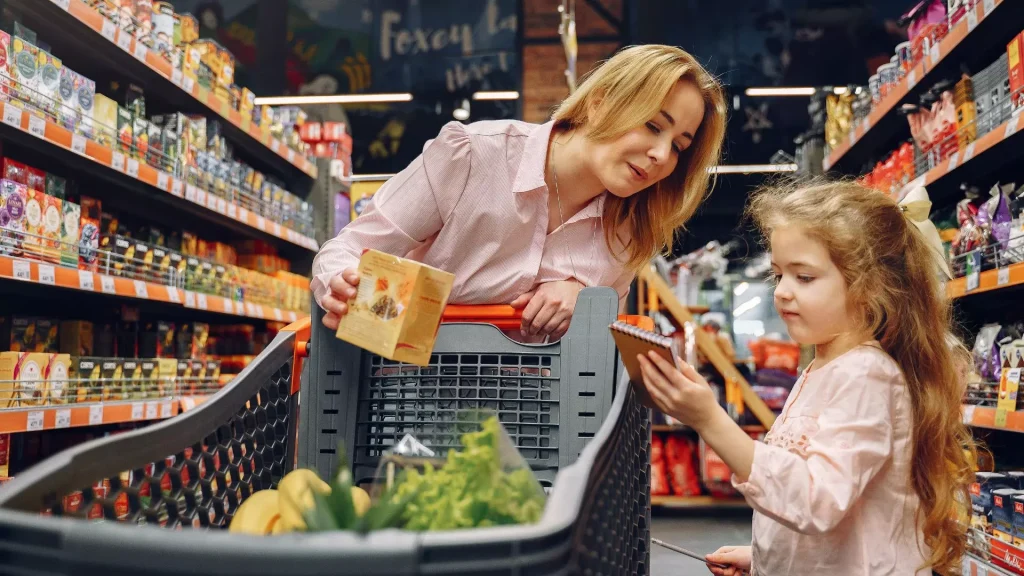
Private Label Spending has officially transformed from a desperate, recession-era survival tactic into a sophisticated, deliberate strategy for modern household budgeting.

Consumers no longer view store brands as cheap, generic alternatives wrapped in bland packaging, but rather as premium, high-quality options that rival national names.

As inflation and shelter costs continue to press hard against the average paycheck, shoppers are finding immediate financial relief right on the supermarket shelves.

This strategic pivot is redefining the retail landscape, proving that smart grocery management does not require sacrificing quality for cost.

By shifting your weekly allocation toward store-owned brands, you instantly unlock hidden liquidity within your existing income.

This psychological and financial transition allows families to maintain their standard of living while actively pushing back against persistent food price pressures.

The modern grocery store has evolved into a competitive battlefield where traditional consumer loyalty is being replaced by practical, value-driven decisions.

Understanding this shift is the first step toward masterfully optimizing your monthly cash flow without compromising on the meals your family loves.

Inside This Economic Report

  • The Structural Evolution: How store brands achieved premium status and changed consumer behavior.
  • The Financial Impact: Analyzing real-world savings, market data, and practical budget breakdowns.
  • Smart Shopping Frameworks: Actionable strategies to maximize your weekly grocery purchasing power.

Why Is Private Label Spending Reshaping Modern Grocery Budgets?

The traditional grocery store hierarchy has flipped upside down over the past few years, driven by a massive cultural and economic shift.

Smart shoppers realized that paying a premium for a heavily advertised logo rarely yields a superior product, especially in staple categories.

Private Label Spending now acts as a natural buffer against corporate price hikes, giving everyday consumers a tangible way to fight back against inflation.

Think of it as buying clothing directly from a skilled local tailor rather than paying extra just for a luxury designer label.

This macroeconomic trend is completely restructuring how supermarkets manage their inventory and how food manufacturers compete for shelf space.

Major retail chains are investing billions into product development, ensuring their proprietary lines meet strict organic, non-GMO, and gourmet standards.

As a result, the financial stigma once attached to generic items has completely evaporated, replaced by a sense of pride in savvy shopping.

Households that make this systematic switch are discovering that their weekly food budgets suddenly stretch significantly further than before.

What is the Real Difference in Product Quality?

Many shoppers wonder if choosing store brands means accepting lower ingredient standards or worse taste for their families.

The reality of modern food manufacturing is that national brands and corporate store labels often utilize the exact same processing facilities.

Retailers partner with major agricultural producers to package high-grade items under the supermarket’s own name, eliminating massive marketing and distribution overhead.

This means you are frequently getting the identical core ingredient, minus the multimillion-dollar television commercial budget tacked onto the price.

++ 消费不足的核心趋势将改变2026年的储蓄习惯

How Much Can You Actually Save Every Month?

The financial variance between a cart filled with name brands and one filled with proprietary store labels is staggering over a year.

Standard industry tracking shows that choosing a store brand over a national equivalent yields an average savings of 20% to 30% per item.

For a typical family spending $800 a month on groceries, making this single adjustment can easily claw back over $2,000 annually.

This found money can be immediately redirected toward high-interest debt repayment, emergency savings, or other pressing household utility bills.

另请阅读: 现金流动性为何再次变得重要?

Why Do National Brands Cost So Much More?

National brands carry massive corporate baggage that has absolutely nothing to do with the actual nutritional value or taste of the food.

When you purchase a household name brand, your money funds national advertising campaigns, complex supply chains, slotting fees, and glossy packaging designs.

Store brands completely bypass these expensive logistical hurdles because the supermarket already owns the shelf space and the local distribution network.

Consequently, they can pass those massive operational savings directly to the consumer while still maintaining healthy profit margins.

图像: Canva

What Are the Strategic Benefits of Changing Your Grocery Habits?

Embracing proprietary store brands goes far beyond simply saving a few loose dollars at the cash register each week.

It represents a fundamental shift toward intentional consumerism, where you dictate the value of your money rather than letting corporate marketing teams decide it for you.

Increased Private Label Spending empowers households to maintain diverse, nutrient-dense diets even during challenging economic cycles when wages fail to keep pace with living costs.

It turns the mundane chore of grocery shopping into an active, rewarding wealth-building exercise.

Furthermore, this behavioral shift forces national brands to lower their prices or innovate faster to keep their remaining market share.

When consumer communities collectively shift their loyalty toward store brands, it creates a healthier, more competitive retail ecosystem for everyone.

You gain immediate control over your micro-economy, ensuring that your hard-earned capital stays in your bank account rather than funding corporate advertising.

This intentional approach to provisioning your home builds long-term financial discipline that naturally spills over into other spending areas.

阅读更多: 高成本经济体中的战略性消费

How Do Retailers Keep Store Brand Prices Low?

Supermarkets maximize their internal efficiencies by utilizing vertical integration, streamlined packaging, and direct regional sourcing to keep production costs incredibly low.

Because the retailer controls the entire journey from the processing plant directly to their own store shelves, intermediate broker fees are entirely eliminated.

They also save enormous sums by using simpler, eco-friendly packaging designs rather than flashy, custom-molded plastic containers that drive up manufacturing costs.

These structural advantages allow stores to offer lower prices every single day without relying on temporary, unpredictable promotional discounts.

Which Categories Offer the Best Quality Matching?

Pantry staples like granulated sugar, flour, canned beans, oats, and frozen fruits are the absolute easiest categories to swap out immediately.

These items are strictly regulated commodities, meaning the physical difference between a name brand and a store brand is practically non-existent.

Additionally, the store-brand organic segments have seen massive quality upgrades, offering certified items at prices lower than conventional name-brand equivalents.

Testing these basic categories first allows hesitant shoppers to build confidence in the taste and performance of store-branded goods.

Why is Consumer Loyalty to National Brands Declining?

Modern shoppers are far more analytical and less susceptible to traditional television and print advertisements than previous generations of consumers.

A recent study by the Private Label Manufacturers Association (PLMA) confirmed that over 80% of shoppers choose store brands regularly to mitigate economic pressures.

Consumers feel a diminishing sense of loyalty to corporate brands that have consistently reduced package sizes while simultaneously raising prices.

When faced with blatant shrinkflation, voters vote with their wallets by switching permanently to the supermarket’s own trusted, stable house labels.

How Can Families Implement a Smart Shopping Strategy?

Transitioning your household to a value-focused grocery model does not mean you have to overhaul your entire lifestyle overnight.

The most successful approach is a gradual, systematic integration that respects your family’s specific tastes and dietary preferences.

By steadily increasing your Private Label Spending week by week, you can test products incrementally without risking grocery budget waste on unapproved items.

This methodical process ensures your family transitions smoothly to more affordable alternatives while keeping meal satisfaction exceptionally high.

Are you ready to stop overpaying for identical ingredients just to support a corporate logo’s massive marketing machine? Start by swapping out just three to five name-brand items during your very next trip to the supermarket.

Keep track of the price differences on your receipt, and notice how quickly those small changes add up to substantial savings.

Over time, this deliberate habit becomes second nature, permanently lowering your baseline cost of living while upgrading your financial resilience.

How to Run a Blind Taste Test at Home?

If family members are stubborn about leaving their favorite national brands behind, run an objective, blind taste test in your kitchen.

Pour the store-brand cereal, juice, or snack into the familiar name-brand box or container without letting them see the switch.

More often than not, family members will notice zero difference in flavor, texture, or overall enjoyment of the food item.

Once the meal is finished, reveal the switch and show them the exact receipt illustrating the money saved by making that choice.

How to Scan Shelves Extensively for the Best Deals?

Supermarkets intentionally place expensive, high-margin national brands directly at eye level to capture your immediate attention and impulse purchases.

To find the budget-friendly store brands, you must purposefully train your eyes to scan the very top and very bottom shelves.

Retailers tuck their own high-value, lower-priced options in these less visible zones because they know dedicated bargain hunters will look for them.

A quick glance upward or downward will instantly reveal the exact same product weights for a fraction of the middle-shelf price.

How Does Store Brand Value Compare Matrix-Style?

To truly comprehend the financial benefits of adjusting your shopping habits, it helps to look at the hard data across common household categories.

Private Label Spending provides a consistent, predictable discount across the entire store layout, from the dairy aisle to the frozen food section.

Grocery CategoryNational Brand Average PriceStore Brand Average PricePercentage SavedAnnualized Savings (Est.)
Organic Pantry Staples$5.80$4.2027%$166.40
Dairy & Milk Alternatives$4.50$3.1530%$140.40
Frozen Vegetables & Meals$3.90$2.8028%$114.40
Cereals and Breakfast Grains$6.20$4.1033%$218.40
Household Cleaning Supplies$8.50$6.0029%$260.00

Data compiled from retail market analytical reports highlights a undeniable truth: the savings are systemic, not accidental.

By consistently choosing the store brand across these five basic categories, a household easily retains hundreds of dollars annually without reducing consumption.

How to Pair Store Brands Masterfully with Digital Coupons?

To extract the absolute maximum value from your grocery trips, combine store-brand baseline prices with your supermarket’s digital loyalty app rewards.

Many grocery chains offer additional digital coupons and cash-back points specifically for buying their own proprietary lines of products.

This stacking technique allows you to take an already discounted item and slice the final price down even further at checkout.

Managing your shopping list through these apps ensures you never miss an extra layer of savings on daily household essentials.

常见问题解答

Are store brands made by the same companies that make name brands?

Yes, in many instances, major national manufacturers utilize their excess production capacity to package identical items for supermarket private labels.

Do private label products have the same nutritional value?

Absolutely, because all food products must strictly adhere to the exact same federal nutritional guidelines, safety regulations, and ingredient labeling laws.

Can I return a store brand product if I do not like the taste?

Yes, almost all major supermarket chains offer a 100% satisfaction guarantee on their house brands, providing full refunds if you are unsatisfied.

Why are name brands still so popular if store brands are cheaper?

Name brands rely heavily on decades of emotional marketing, nostalgic consumer habits, and massive advertising budgets to maintain their psychological hold on shoppers.

趋势