
Cómo los hábitos financieros cotidianos revelan tu relación con el dinero
Los hábitos financieros cotidianos revelan tu relación con el dinero!
Anuncios
En un mundo donde el dinero influye en cada aspecto de nuestras vidas, desde la compra de un café por la mañana hasta los planes de jubilación a largo plazo, nuestras decisiones financieras diarias a menudo hablan más que las palabras.
Estos hábitos no son simplemente acciones aleatorias; reflejan actitudes, miedos y aspiraciones más profundas hacia la riqueza.
Comprender cómo los hábitos financieros cotidianos revelan su relación con el dinero puede impulsar el crecimiento personal, lo que conduce a decisiones más inteligentes y una mayor paz financiera.
Anuncios
Esta exploración profundiza en las formas sutiles en que nuestras rutinas exponen nuestra mentalidad monetaria y ofrece conocimientos para fomentar una conexión más saludable.
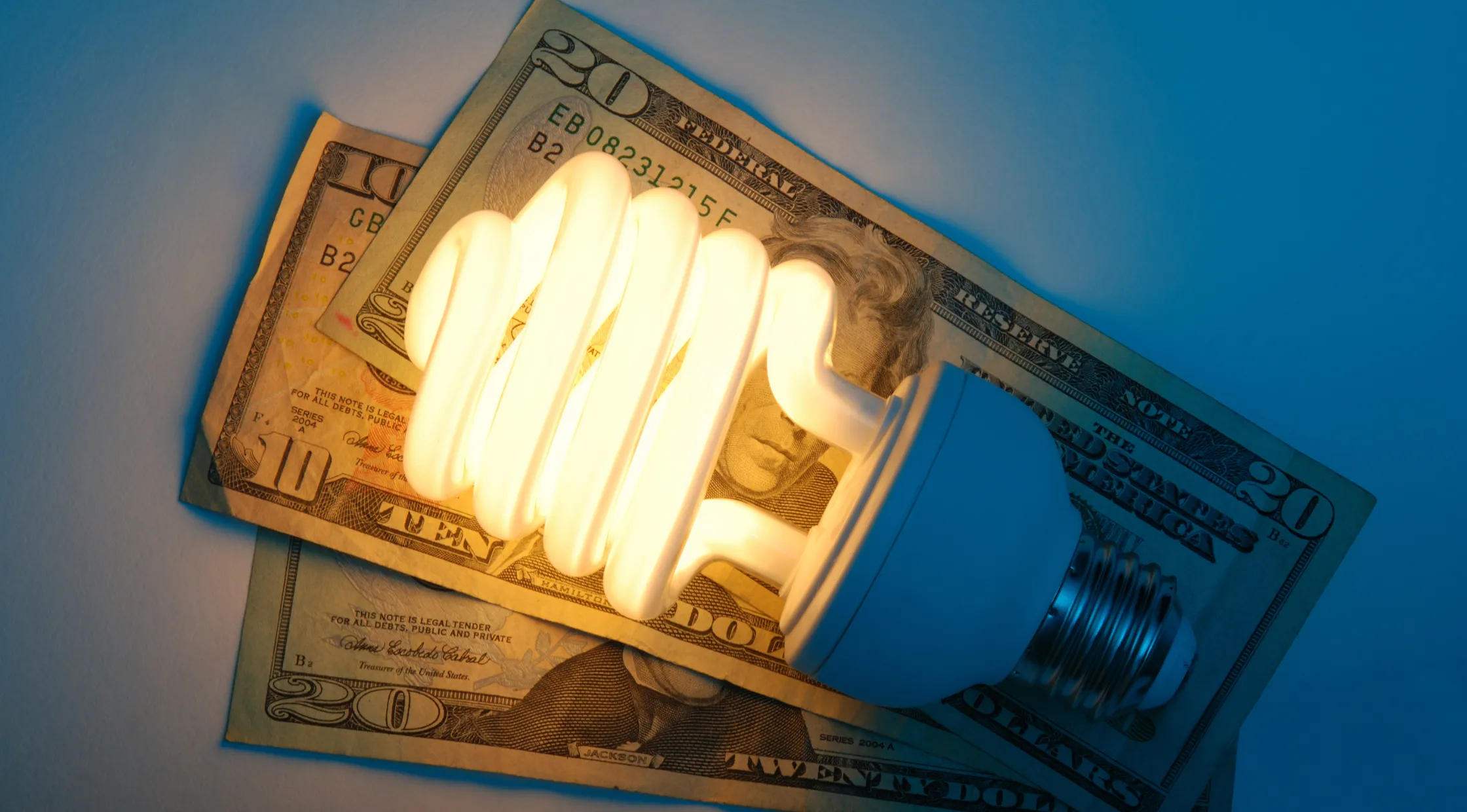
Los hábitos financieros cotidianos revelan tu relación con el dinero: Resumen de los temas tratados
- Los fundamentos psicológicos de los hábitos financieros
- Descifrando comportamientos cotidianos específicos
- Ejemplos y analogías del mundo real
- Estrategias para transformar su relación con el dinero
- Preguntas frecuentes
++ Cómo optimizar el uso de la tarjeta de crédito sin endeudarse
1. Los fundamentos psicológicos de los hábitos financieros
Para empezar, nuestros hábitos financieros son el resultado de una compleja interacción de educación, experiencias e influencias sociales que configuran un modelo inconsciente de cómo interactuamos con el dinero.
Por ejemplo, alguien criado en un hogar impulsado por la escasez podría acumular cada centavo, considerando los ahorros como un escudo contra la incertidumbre.
No se trata simplemente de una cuestión de presupuesto: es un mecanismo de defensa psicológico que revela una relación basada en el miedo más que en la abundancia.
Es más, las teorías psicológicas como la economía del comportamiento resaltan cómo los sesgos cognitivos, como la aversión a la pérdida, nos empujan hacia hábitos que priorizan evitar el dolor por sobre la búsqueda de ganancias, lo que a menudo conduce a patrones de gasto irracionales.
Además, las emociones juegan un papel central en estos cimientos, donde el estrés o la alegría pueden desencadenar compras impulsivas o una estricta austeridad.
Considere cómo el gasto emocional durante tiempos difíciles podría indicar una relación compensatoria con el dinero, tratándolo como una solución rápida a problemas más profundos.
++ Modelos de negocio de franquicia que funcionan mejor durante las crisis económicas
Por el contrario, quienes tienen una mentalidad financiera segura integran hábitos que equilibran el disfrute y la prudencia, demostrando confianza en su ecosistema financiero.
Por lo tanto, examinar estas raíces ayuda a desmitificar por qué persisten ciertos patrones, fomentando la autorreflexión para realinear los hábitos con los objetivos a largo plazo.
Además, los factores culturales y generacionales añaden capas a esta psicología, ya que los millennials pueden inclinarse hacia el gasto experiencial debido a la inestabilidad económica observada en la juventud, mientras que los baby boomers enfatizan la estabilidad.
Esta variación subraya que ningún hábito existe de forma aislada: es un reflejo de narrativas de vida más amplias.
En consecuencia, al quitar estas capas, las personas pueden identificar desajustes y transformar rutinas pasivas en prácticas intencionales que nutran una relación monetaria positiva.
2. Descifrando comportamientos cotidianos específicos
Siguiendo adelante, un comportamiento clave es la frecuencia de compras impulsivas, que a menudo indican una relación de escapismo con el dinero, donde los máximos temporales enmascaran una insatisfacción subyacente.
Por ejemplo, agregar regularmente artículos innecesarios a un carrito en línea podría indicar que se usan las compras como un alivio del estrés, en lugar de abordar causas profundas como el agotamiento laboral.
Sin embargo, esta decodificación requiere matices: no toda espontaneidad es negativa, pero los patrones que conducen al arrepentimiento revelan una desconexión entre valores y acciones.
Además, el seguimiento de los gastos (o la falta de ellos) proporciona conocimientos profundos sobre la responsabilidad hacia el dinero.
Aquellos que registran meticulosamente cada transacción probablemente vean al dinero como un socio en el progreso, fomentando la transparencia y el control.
Por otra parte, evitar por completo los presupuestos podría indicar negación o agobio, tratando al dinero como un adversario que debe ignorarse hasta que surjan las crisis.
++ El auge de los REIT: oportunidades y riesgos
Así, este hábito actúa como un barómetro de la confianza, donde el seguimiento proactivo genera confianza con el tiempo.
Es más, los rituales de ahorro, como la automatización de transferencias a cuentas de inversión, revelan actitudes hacia la seguridad futura.
Si alguien prioriza constantemente la gratificación inmediata por sobre el crecimiento compuesto, podría reflejar una visión escéptica de la estabilidad del mañana.
Por el contrario, ahorrar en exceso hasta el punto de la privación sugiere un acaparamiento impulsado por la ansiedad.
Como resultado, decodificar estos comportamientos permite a las personas adaptarse, garantizando que los hábitos se alineen con una dinámica monetaria equilibrada y respetuosa.
Los hábitos financieros cotidianos revelan tu relación con el dinero, Mesa:
| Hábito financiero | Revelación potencial | Impacto en la relación |
|---|---|---|
| Compra impulsiva | Escapismo o compensación emocional | Pone a prueba la estabilidad a largo plazo y genera arrepentimiento |
| Seguimiento de gastos | Responsabilidad y confianza | Genera confianza y reduce las sorpresas. |
| Ahorro automático | Seguridad orientada al futuro | Fomenta el crecimiento, minimiza la ansiedad. |
| Evitar la deuda | Aversión al riesgo | Promueve la paz pero puede limitar las oportunidades |
3. Ejemplos y analogías del mundo real
Cambiando de enfoque, exploraremos dos ejemplos originales que ilustran estos conceptos vívidamente.
Tomemos como ejemplo a Alex, un diseñador gráfico de unos 30 años que prepara café en su casa todas las mañanas en lugar de detenerse en una cafetería.
Este hábito no se trata solo de ahorrar $5 diariamente; revela una relación enriquecedora con el dinero, donde las decisiones pequeñas y consistentes se convierten en libertad financiera.
Alex ve el dinero como una herramienta para la creatividad y canaliza los fondos ahorrados hacia cursos de desarrollo de habilidades que mejoran las perspectivas profesionales.
Sin embargo, esta disciplina tiene su origen en la inestabilidad del pasado freelance y muestra cómo los hábitos evolucionan a partir de las lecciones aprendidas, convirtiendo posibles dificultades en fortalezas.
En otro escenario, pensemos en Jordan, un ejecutivo de ventas que revisa religiosamente las aplicaciones de inversión varias veces al día.
Esta vigilancia expone una relación obsesiva con el dinero, similar a monitorear constantemente la ubicación de una pareja en un romance, lo cual es indicativo de inseguridad más que de confianza mutua.
El hábito de Jordan, aunque informado, a menudo conduce a reacciones instintivas ante las caídas del mercado, lo que revela una dinámica basada en el miedo que prioriza el control sobre la paciencia.
Sin embargo, al reconocer esto, Jordania podría avanzar hacia revisiones trimestrales, permitiendo que el dinero “respire” y crezca sin interferencias constantes.
Para ilustrarlo mejor, piense en su relación con el dinero como si estuviera cuidando un jardín: los hábitos cotidianos son el riego, la poda y el desmalezado que determinan si prospera o se marchita.
Así como descuidar la salud del suelo conduce al retraso del crecimiento de las plantas, ignorar los patrones de gasto produce sequías financieras.
Por otro lado, la fertilización excesiva refleja una toma de riesgos excesiva, lo que podría saturar el ecosistema. Por lo tanto, esta analogía enfatiza el equilibrio, donde el cultivo consciente produce abundantes beneficios.
¿Alguna vez te has parado a pensar por qué ese café con leche diario te parece esencial, incluso cuando tu saldo bancario te dice lo contrario?
Esta pregunta retórica invita a la introspección, destacando cómo tales hábitos revelan vínculos emocionales con el dinero.
Según datos recientes, el 521% de los estadounidenses vive al día, una estadística que pone de relieve cómo los hábitos precarios perpetúan relaciones tensas con las finanzas.
Esta cifra no sólo cuantifica los desafíos generalizados sino que también aboga por cambios proactivos de hábitos para romper el ciclo.
4. Estrategias para transformar tu relación con el dinero
Basándose en estos conocimientos, una estrategia eficaz consiste en prácticas de atención plena adaptadas a las decisiones financieras, como hacer una pausa antes de realizar compras para evaluar los impulsos emocionales.
Este enfoque altera los hábitos del piloto automático y fomenta un vínculo más intencional con el dinero.
Por ejemplo, llevar un diario sobre los factores desencadenantes de nuestros gastos puede revelar patrones y convertir conductas reactivas en elecciones deliberadas.
En consecuencia, esto genera resiliencia, donde el dinero se convierte en un aliado en la realización personal en lugar de una fuente de estrés.
Además, buscar perspectivas diversas a través de recursos de educación financiera mejora la comprensión, de forma similar a consultar a expertos para obtener asesoramiento sobre relaciones.
Participar en podcasts o talleres sobre finanzas conductuales proporciona a las personas herramientas para replantear los hábitos, como gamificar el ahorro para hacerlo más agradable.
A su vez, esta transformación fomenta la experimentación, donde pequeños ajustes (como redondear las transacciones para ahorrar) producen beneficios compuestos a lo largo del tiempo.
Además, la creación de redes de responsabilidad, como unirse a comunidades centradas en el dinero, refleja los sistemas de apoyo en otras áreas de la vida.
Compartir el progreso con pares proporciona motivación y nuevas ideas, evitando el aislamiento en las trayectorias financieras.
Como resultado, estas estrategias no sólo decodifican los hábitos existentes sino que también cultivan otros nuevos, garantizando una relación positiva y evolutiva con el dinero que se adapta a los cambios de la vida.
| Estrategia de transformación | Pasos involucrados | Beneficios esperados |
|---|---|---|
| Pausas de atención plena | Reflexione sobre sus emociones antes de comprar; escriba en un diario todos los días. | Reduce la impulsividad, aumenta la conciencia. |
| Compromiso educativo | Leer libros, asistir a seminarios web | Amplía el conocimiento, inspira la innovación |
| Responsabilidad comunitaria | Únase a foros, comparta objetivos | Aumenta la motivación y ofrece perspectivas diversas. |
5. Los hábitos financieros cotidianos revelan tu relación con el dineroPreguntas frecuentes
Por último, abordar preguntas comunes puede aclarar dudas persistentes y permitir a los lectores aplicar estos conocimientos de manera efectiva.
| Pregunta | Respuesta |
|---|---|
| ¿Qué pasa si mis hábitos financieros provienen de un trauma infantil? | Reconocer esto es el primer paso; considere una terapia enfocada en la psicología del dinero para desentrañar y reconfigurar patrones, lo que conducirá a dinámicas más saludables. |
| ¿Cómo puedo realizar un seguimiento de mis hábitos sin sentirme abrumado? | Comience de a poco con aplicaciones que automaticen el registro y cree gradualmente una rutina que le brinde apoyo en lugar de resultar una carga. |
| ¿Es posible cambiar una relación monetaria de toda la vida? | Por supuesto, a través de ajustes constantes e incrementales; las investigaciones demuestran que la neuroplasticidad permite la reforma de los hábitos a cualquier edad. |
| ¿Por qué algunas personas prosperan económicamente a pesar de tener malos hábitos? | A menudo se debe a factores externos como la herencia, pero el éxito sostenible requiere alinear los hábitos con una mentalidad respetuosa hacia el dinero. |
| ¿Pueden los hábitos positivos prevenir las crisis financieras? | Si bien no son infalibles, crean mecanismos de protección como fondos de emergencia, mitigando significativamente los riesgos y mejorando la resiliencia general. |
En conclusión, al examinar cómo los hábitos financieros cotidianos revelan su relación con el dinero, usted obtiene el poder de reformular su narrativa financiera.
Este viaje hacia la conciencia y la acción promete no sólo estabilidad, sino verdadero empoderamiento.
Para mayor información, aquí hay tres enlaces actuales y relevantes:
- Estudio sobre mejores hábitos financieros del Bank of America
- Investigación de BYU sobre creencias sobre el dinero
- Perspectivas de psicología del dinero
