
Sensibilidad a las tasas de interés en diferentes sectores económicos
Sensibilidad a las tasas en diferentes sectores económicos Es una de esas cosas que suenan secas hasta que empiezan a golpear tu cartera en la cara.
Anuncios
Un día todo marcha bien; al siguiente, un movimiento de 25 puntos básicos por parte de la Reserva Federal y, de repente, el mercado inmobiliario sangra mientras los bancos sonríen en silencio.
A principios de 2026, con una inflación persistente en 2,7% y los mercados descontando un ciclo de recortes cautelosos, estas sensibilidades ya no son académicas: son la diferencia entre subirse a la ola y quedar sumergido.
¡Sigue leyendo para saber más!
Resumen de los temas tratados
- ¿Qué es exactamente? Sensibilidad a las tasas en diferentes sectores económicos?
- ¿Cómo el aumento de las tasas realmente perjudica (o beneficia) a diferentes sectores?
- ¿Qué pasa cuando las tasas bajan?
- ¿Por qué debería importarle a alguien el seguimiento? Sensibilidad a las tasas en diferentes sectores económicos?
- Ejemplos del mundo real que lo hacen tangible
- Preguntas frecuentes
¿Qué es exactamente? Sensibilidad a las tasas en diferentes sectores económicos?
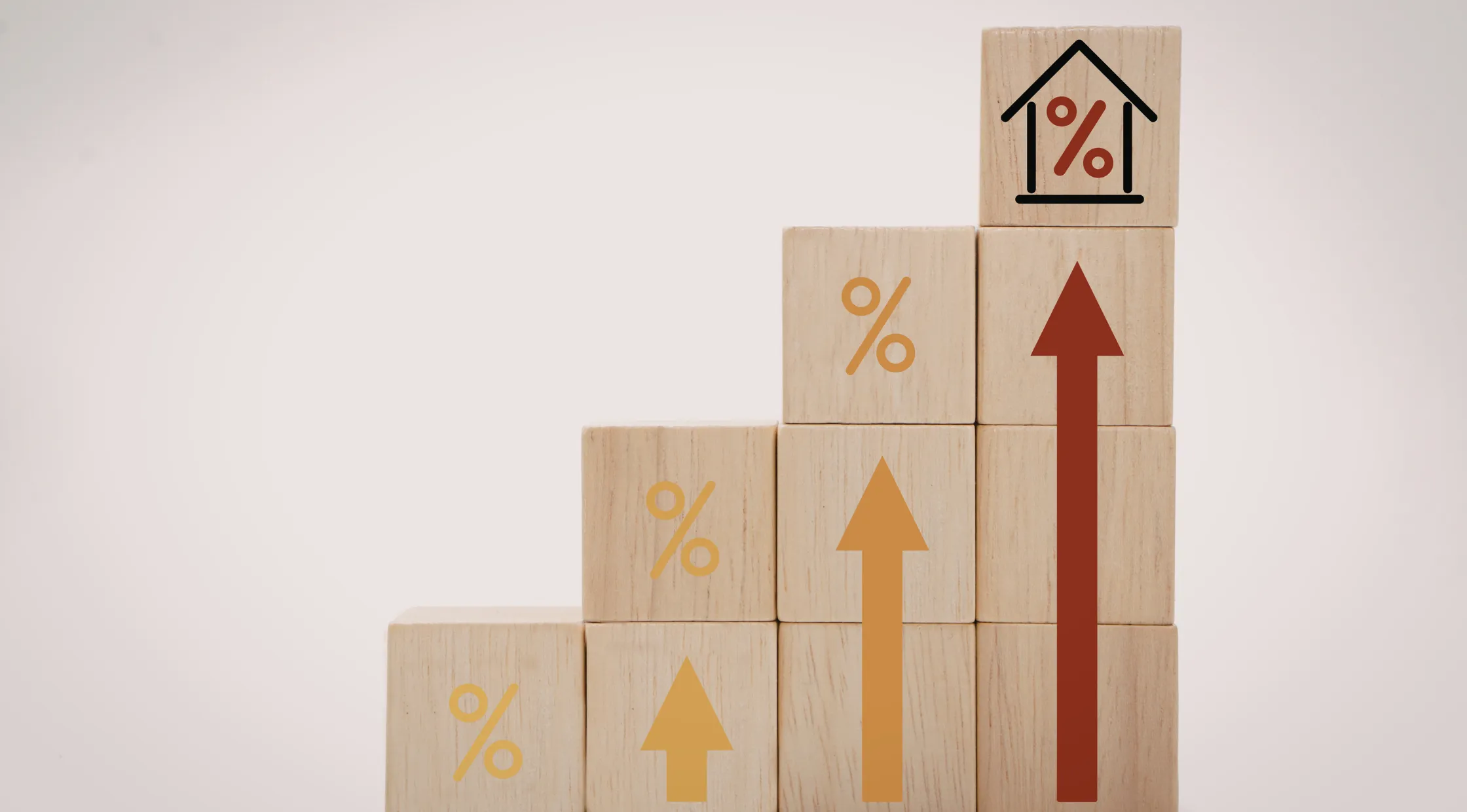
Básicamente, se trata de cuánto se modifican las ganancias, las valoraciones o los flujos de efectivo de un sector cuando se mueven las tasas de interés.
Una alta sensibilidad implica grandes oscilaciones: bienes raíces, servicios públicos, cualquier cosa que tome préstamos importantes o compita con bonos.
La baja sensibilidad significa que el sector se encoge de hombros y sigue adelante: pensemos en productos básicos de consumo o en partes de la atención sanitaria.
La idea no es nueva. Después de 2008, las tasas cero impulsaron las acciones de crecimiento y las tecnológicas, al tiempo que castigaron a los ahorradores y a las aseguradoras.
Para 2026, hemos visto lo contrario: los aumentos en 2022-2023 golpearon a los cíclicos, y ahora todos están atentos al pivote.
Hay algo silenciosamente inquietante en cómo una sola reunión del FOMC puede reescribir las perspectivas de ganancias de industrias enteras de la noche a la mañana.
Socialmente, expone la desigualdad en la aplicación de la política monetaria.
Las tasas más altas protegen a los ahorradores, pero aplastan a los prestatarios; las tasas más bajas tienen el efecto contrario. Una política que es "neutral" en teoría rara vez se percibe como neutral en la práctica.
++ Cómo afecta la regulación de la IA a las pequeñas y medianas empresas
¿Cómo el aumento de las tasas realmente perjudica (o beneficia) a diferentes sectores?
El sector inmobiliario es el más afectado. El aumento de las tasas hipotecarias reduce la asequibilidad, frena las ventas y encarece enormemente la financiación para desarrollos inmobiliarios.
Los desarrolladores pausan proyectos, crean inventario y los valores se suavizan.
En 2023 lo vimos en el mercado inmobiliario comercial de EE. UU.; en 2026, incluso un pequeño repunte podría reavivar la tensión en regiones sobreapalancadas.
Las empresas financieras suelen ganar gracias a sus márgenes de interés netos más amplios: los bancos ganan más con los préstamos de lo que pagan por los depósitos.
Pero hay un problema: si los tipos se mantienen altos demasiado tiempo, los préstamos se agotan, los impagos aumentan poco a poco y se acaba la fiesta. Es la clásica historia de "buenas y malas noticias".
La energía y los materiales sufren las consecuencias del gasto de capital. Cuando los préstamos se encarecen, las petroleras retrasan la construcción de plataformas y las mineras suspenden sus expansiones.
Los bienes de consumo discrecional (automóviles, vacaciones, lujo) se ven afectados a medida que los hogares se aprietan el cinturón. Los productos básicos, en cambio, se mantienen porque la gente sigue comprando pasta de dientes.
++ Contratos de franquicia bajo la lupa: Cláusulas más importantes en 2026
¿Qué pasa cuando las tasas bajan?
Las tasas más bajas son combustible para el gasto discrecional.
Préstamos para automóviles más baratos, líneas de crédito con garantía hipotecaria más fáciles de conseguir: de repente, la gente se siente lo suficientemente rica como para mejorar su situación.
Los minoristas y fabricantes de automóviles son los primeros en ver el repunte. Las acciones tecnológicas y de crecimiento también lo aprecian: un capital más barato implica más I+D, más adquisiciones y mayores múltiplos.
Las empresas de servicios públicos y los REIT respiran más tranquilos con menores costos de deuda, y sus dividendos comienzan a parecer más atractivos en comparación con la reducción de los rendimientos de los bonos.
Los cíclicos en general tienen viento de cola, mientras que los defensivos pueden quedarse rezagados.
El patrón es claro: los recortes de tasas no benefician a todos por igual.
Recompensan desproporcionadamente a los sectores más apalancados y sensibles al crecimiento, razón por la cual las carteras deben pivotar y no simplemente permanecer estancadas.
++ Hábitos financieros que distinguen a las empresas estables de las que fracasan
Instantánea rápida del sector:
| Sector | Efecto del aumento de las tasas | Efecto de la caída de las tasas | Sensibilidad típica |
|---|---|---|---|
| Bienes raíces | Fuerte negativo (financiación + demanda) | Fuertemente positivo (asequibilidad) | Muy alto |
| Finanzas | Mixto (márgenes en aumento, préstamos en disminución) | De neutral a positivo | Medio |
| Consumo discrecional | Negativo (el gasto se ralentiza) | Fuerte positivo | Alto |
| Servicios públicos | Negativo (carga de la deuda) | Positivo (capital más barato) | Alto |
| Tecnología | Negativo (financiación para el crecimiento más restrictiva) | Muy positivo | Medio-alto |
| Energía | Negativo (recortes de gasto de capital) | Positivo (proyectos viables) | Medio |
¿Por qué debería importarle a alguien el seguimiento? Sensibilidad a las tasas en diferentes sectores económicos?
Porque ignorarlo es como conducir a ciegas. En 2026, con los fondos del mercado monetario aún con cerca de 1,4 billones de dólares en efectivo a la espera de señales, el próximo movimiento de tipos podría desencadenar rotaciones masivas.
Si inviertes mucho en valores sensibles a las tasas durante un ciclo de recortes, te pierdes la fiesta. Si estás sobreexpuesto a valores cíclicos durante las subidas, pierdes.
También cuestiona la diversificación perezosa. Una cartera "equilibrada" que no tiene en cuenta la dinámica de las tasas es todo menos equilibrada cuando la curva de rendimientos se mueve.
El seguimiento de la sensibilidad obliga a pensar en los cambios de régimen (tasas altas versus tasas bajas, inflación versus deflación) y a ajustar en consecuencia.
Una estadística que perdura: los fondos del mercado monetario estadounidense alcanzaron niveles récord a principios de 2026.
Esa pila de efectivo no es neutral: está esperando inundar los sectores que más se benefician con las tasas más bajas.
¿No sería más inteligente preguntar por qué ciertos sectores siguen superando a los demás en entornos de tasas específicos en lugar de esperar suerte?
Ejemplos del mundo real que lo hacen tangible
Imaginemos un desarrollador inmobiliario de tamaño mediano de California a finales de 2025. Las tasas se habían mantenido altas durante dos años, los proyectos estaban estancados y el servicio de la deuda estaba afectando los márgenes.
Cuando la Reserva Federal anunció recortes en el primer trimestre de 2026, refinanciaron a tasas más bajas, desbloquearon un proyecto de uso mixto estancado y vieron un aumento de 18% en su flujo de caja. La diferencia no fue mágica, sino que la sensibilidad a las tasas jugó a su favor.
O tomemos como ejemplo una empresa emergente de energía renovable con sede en Texas.
Las altas tasas de interés en 2025 acabaron con la financiación de sus parques eólicos; tuvieron que retrasarla. Ante la probabilidad de recortes en 2026, refinanciaron y aceleraron la construcción.
Los costos de la deuda se redujeron en 22%, y el proyecto pasó de "quizás el próximo año" a "inicio de obras este trimestre". Nuevamente, pura sensibilidad a las tasas.
Estos no son casos aislados. Son historias cotidianas de cómo las políticas se reflejan en los balances.
Piensa en Sensibilidad a las tasas en diferentes sectores económicos como diferentes árboles en una tormenta.
Algunos se doblan pero se mantienen en pie; otros se quiebran. Saber cuál es cuál te permite plantar con más inteligencia.
Preguntas frecuentes
Preguntas comunes que la gente hace cuando empieza a prestar atención:
| Pregunta | Respuesta directa |
|---|---|
| ¿Qué sector es más sensible a las tasas? | Bienes raíces: las hipotecas y los costos de financiamiento golpean fuerte en ambos sentidos. |
| ¿Cómo afectan los cambios de tasas a las acciones tecnológicas? | Tasas más bajas = capital más barato, múltiplos más altos; tasas más altas = crisis de crecimiento. |
| ¿Las empresas financieras siempre se benefician del aumento de las tasas? | No siempre: los márgenes se amplían, pero los volúmenes de préstamos pueden reducirse si las tasas se mantienen demasiado altas. |
| ¿Por qué realizar un seguimiento de esto específicamente en 2026? | Inflación en 2,7%, posibles recortes y un efectivo récord al margen: gran riesgo de rotación. |
| ¿Todos los sectores se ven igualmente afectados? | No. Los bienes básicos y la atención sanitaria son mucho menos volátiles que los cíclicos o los bienes inmuebles. |
¿Quieres profundizar más?
Echa un vistazo a la Perspectivas para 2026 del Instituto de Investigación de Política Económica de Stanford, Vanguardia Proyecciones económicas y de mercado para 2026y Deloitte Pronóstico económico mundial para 2026.
