Les demandes de gel de crédit augmentent suite aux importantes violations de données.
Demandes de gel de crédit ont connu une forte augmentation en Amérique du Nord en 2026, marquant un changement significatif dans la façon dont les consommateurs protègent leurs identités financières personnelles contre les criminels numériques sophistiqués.
Annonces
Face aux fuites massives de données à l'échelle des entreprises qui exposent des millions de numéros de sécurité sociale et de dossiers financiers privés, des millions de citoyens considèrent désormais le verrouillage de leurs rapports de crédit comme une compétence de survie indispensable.
Cette mesure défensive proactive neutralise efficacement votre profil de crédit, empêchant ainsi les personnes mal intentionnées d'ouvrir des comptes frauduleux non autorisés en utilisant vos identifiants volés.
Lorsque vous choisissez de restreindre l'accès à vos données de crédit, vous créez un rempart physique robuste qui stoppe immédiatement la plupart des tentatives automatisées d'usurpation d'identité.
Comprendre les nuances de ce processus vous permet de prendre le contrôle de votre réputation financière à une époque où l'exposition numérique est constante et inévitable.
Pourquoi attendre que votre cote de crédit s'effondre avant de décider de protéger votre avenir financier durement gagné contre les opportunistes mal intentionnés ?
Perspectives stratégiques sur la protection de l'identité
- Souveraineté en matière de sécuritéRestreindre l'accès au crédit oblige les prêteurs à confirmer votre identité par d'autres canaux, neutralisant ainsi la plupart des vols d'identifiants numériques à distance.
- Défense proactiveMettre en place un système de verrouillage avant qu'une violation de données ne survienne réduit considérablement le cauchemar administratif que représente la récupération de son identité après une compromission.
- Stabilité économiqueMaintenir un dossier de crédit sûr et précis garantit que votre capacité à accéder aux prêts, au logement et aux opportunités d'emploi reste totalement intacte.
Pourquoi le contexte actuel des violations de données impose-t-il ce changement ?
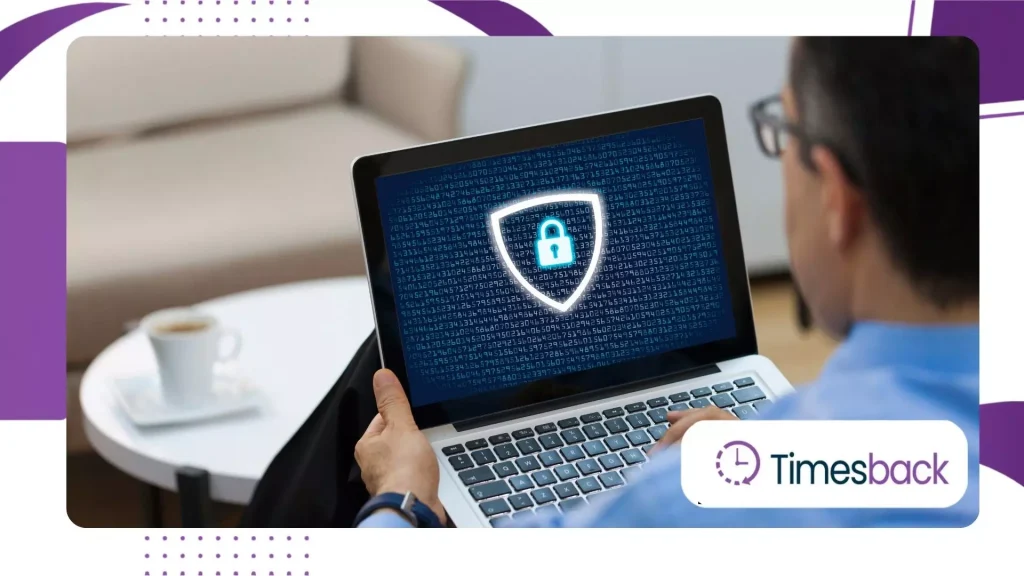
Comment les violations de données à haute fréquence ont-elles modifié le comportement des consommateurs ?
Les cybercriminels modernes exploitent désormais des outils d'IA avancés pour analyser des bases de données volées, tentant des milliers de demandes de prêt par seconde sur des centaines de plateformes financières.
Autrefois, les consommateurs considéraient ces fuites de données massives et médiatisées comme de simples désagréments personnels, mais aujourd'hui, ils reconnaissent la menace systémique qui pèse sur leur santé financière individuelle.
Cette prise de conscience généralisée déclenche une avalanche de Demandes de gel de crédit, à mesure que les gens prennent conscience que leur identité privée est exposée sur d'innombrables serveurs tiers vulnérables.
Les données historiques confirment que les victimes d'usurpation d'identité passent des centaines d'heures à tenter de résoudre les problèmes liés à leurs comptes frauduleux, souvent sans succès pendant plusieurs années.
En adoptant des mesures de sécurité préventives, les ménages évitent efficacement les mois de souffrance juridique et bureaucratique liés à la réparation d'un historique de crédit ravagé.
Protéger son profil personnel exige désormais d'adopter une vigilance numérique permanente plutôt que des solutions réactives et ponctuelles.
Pourquoi les criminels ciblent-ils spécifiquement votre dossier de crédit ?
Votre dossier de crédit contient la clé de voûte de toute votre situation financière, y compris votre nom légal, votre adresse physique, votre historique professionnel et les détails de vos prêts antérieurs.
Les criminels utilisent ces données sensibles pour fabriquer des identités frauduleuses réalistes qui contournent les contrôles de vérification standard et obsolètes des banques de détail et des organismes de crédit par carte.
Une fois qu'ils ont infiltré votre dossier, ils demandent des cartes de crédit à limite élevée, des prêts personnels importants et des financements de marques de distributeur, le tout à votre nom.
Considérez votre rapport de crédit comme le plan architectural principal de votre situation financière ; si quelqu'un le copie, il peut reproduire votre vie à l'identique.
Ils laissent derrière eux une traînée de dettes impayées, une réputation ternie et des agents de recouvrement, tandis que vous portez l'entière charge juridique du nettoyage du désastre.
Bloquer l'accès garantit que personne ne puisse utiliser vos plans pour bâtir une base financière de mensonges qui finira par détruire votre véritable solvabilité.
En quoi l’environnement réglementaire de 2026 a-t-il simplifié la sécurité ?
Les lois nationales sur la protection des consommateurs imposent désormais aux trois principaux bureaux de renseignements de fournir un gel électronique gratuit et instantané pour chaque consommateur.
Vous n'aurez plus à vous soucier de formalités administratives complexes ni de frais de service élevés et compliqués pour protéger vos fichiers contre tout accès non autorisé de la part de prêteurs potentiellement malveillants.
Ce cadre juridique simplifié permet à chaque adulte de sécuriser son identité financière en moins de cinq minutes depuis un smartphone.
Les autorités fédérales de réglementation ont contraint les organismes de déclaration à maintenir des portails numériques intuitifs et conviviaux, spécialement conçus pour faciliter ces demandes auprès du grand public.
Ce changement de réglementation reconnaît qu'en 2026, le fait de laisser son identité financière ouverte et accessible à des inconnus constitue tout simplement une norme opérationnelle inacceptable et à haut risque.
Tirer parti de ces outils gratuits et obligatoires est la mesure la plus efficace pour garantir une autonomie et une sécurité financières à long terme.
Comment fonctionne concrètement un gel de sécurité au quotidien ?
Quels sont les mécanismes qui permettent de restreindre votre rapport ?
Lorsque vous initiez un gel de sécurité, le bureau crée un verrou numérique temporaire qui masque efficacement votre dossier à tous les nouveaux prêteurs potentiels.
Aucune banque, aucun émetteur de carte de crédit, aucun organisme de financement automobile ne peut accéder à vos données pour examiner une demande, ce qui les amène à la rejeter automatiquement.
Ce mécanisme de défense fonctionne parfaitement car les prêteurs légitimes sont légalement tenus d'examiner votre rapport de crédit avant d'approuver tout nouveau compte financier.
Vous conservez un contrôle total sur ce verrou, ce qui signifie que vous pouvez le désactiver à tout moment lorsque vous décidez de demander un prêt légitime.
Une fois votre vérification de crédit légitime terminée, vous pouvez simplement réactiver le verrouillage, ce qui ramènera immédiatement votre profil à un état d'invisibilité défensive totale.
Ce cycle de verrouillage et de déverrouillage offre un équilibre parfait et gérable entre la sécurité financière personnelle et l'accès nécessaire aux achats importants qui marquent une vie.
Lire aussi : Les systèmes de facturation électronique transforment les cycles de paiement en 2026.
Quel est l'impact de cette limite sur vos opérations bancaires quotidiennes légitimes ?
Nombreuses sont les personnes qui craignent que le gel de leur crédit ne les empêche de gérer leurs finances quotidiennes, comme par exemple ouvrir un nouveau compte courant ou souscrire un abonnement téléphonique.
En réalité, un gel bloque uniquement l'accès à vos rapports de crédit, ce qui signifie qu'il n'a aucun impact sur vos comptes bancaires existants, vos cartes de crédit actuelles ou vos services publics.
Votre vie continue exactement comme d'habitude et vous pouvez continuer à utiliser vos ressources financières existantes sans aucune ingérence opérationnelle de la part du bureau.
Le seul cas où vous rencontrerez un léger retard se produira lorsque vous devrez lancer une nouvelle vérification de crédit pour un achat important à venir.
Prévoir l'achat d'une nouvelle voiture ou d'un prêt immobilier implique de déverrouiller son dossier pendant une période déterminée avant de le verrouiller à nouveau.
Cette tâche administrative mineure et périodique représente un faible prix à payer pour l'immense tranquillité d'esprit qu'offre une identité sécurisée.
En savoir plus: Les modèles de risque de crédit basés sur l'IA redéfinissent les décisions de prêt en 2026
Pourquoi les organismes de crédit financier privilégient-ils des protocoles de sécurité stricts ?
Les organismes de crédit professionnels apprécient les protocoles stricts de vérification d'identité car ils réduisent considérablement les cas de fraude au sein de leurs importants portefeuilles de prêts.
Les banques veulent s'assurer que la personne à qui elles accordent un prêt est bien le titulaire légitime du compte, afin d'éviter des radiations coûteuses et des litiges juridiques.
Lorsque vous utilisez Demandes de gel de créditVous aidez ainsi concrètement les prêteurs à respecter des normes de sécurité plus élevées qui protègent tous les acteurs de l'écosystème financier mondial.
Les organismes de crédit spécialisés ont largement automatisé le processus de gestion des dossiers de crédit gelés, proposant souvent des outils de vérification d'identité rapides pour les consommateurs dont les dossiers sont bloqués.
Cette coopération entre les banques et les bureaux de placement garantit que la sécurité ne se fasse pas au détriment de la commodité sur le marché moderne.
À mesure que ces systèmes s'améliorent, l'ensemble du secteur évolue vers un avenir où les profils de crédit verrouillés deviendront la norme pour tout consommateur responsable.
Quelles sont les étapes essentielles pour une gestion sécurisée ?
Comment coordonnez-vous les activités des trois principaux bureaux ?
Vous devez soumettre des instructions distinctes et individuelles à chacune des trois principales agences nationales d'évaluation du crédit afin de garantir une protection complète et totale de votre dossier.
Le fait de confier votre dossier à un seul bureau est une grave erreur, car un criminel pourra simplement consulter votre rapport auprès d'un autre bureau non protégé.
La consultation systématique du portail de chaque agence garantit que votre identité reste intégralement protégée dans toutes les bases de données nationales de renseignements sur le crédit, et ce simultanément.
Conservez un dossier numérique sécurisé et crypté contenant vos codes PIN uniques et vos mots de passe de récupération pour chacun de ces portails de bureau distincts, le tout dans un seul et même endroit.
La perte de votre code PIN peut entraîner des retards importants lorsque vous devez déverrouiller votre dossier pour une demande de prêt financier légitime, prioritaire et urgente.
Traiter ces identifiants d'accès avec le même niveau de soin que vous apportez à vos mots de passe bancaires garantit une gestion fluide et efficace de votre identité.
Pourquoi associer le gel de votre crédit à une surveillance régulière de celui-ci ?
Le gel de votre dossier empêche l'ouverture de nouveaux comptes, mais n'empêche pas une personne de commettre une fraude sur vos comptes bancaires existants et déjà actifs.
Le maintien d'un abonnement secondaire à un service de surveillance de crédit actif et en temps réel vous permet de recevoir des alertes immédiates et automatisées dès que des changements suspects apparaissent sur votre rapport.
Considérez le gel comme la serrure en acier massif de votre porte d'entrée, et la surveillance comme votre système d'alarme high-tech et sensible couvrant le reste de la maison.
En combinant ces deux stratégies de sécurité distinctes, vous créez un bouclier complet et multidimensionnel qui protège votre identité contre la fraude et la prise de contrôle de compte.
Vous devriez vous connecter périodiquement à chaque portail de bureau pour vérifier votre liste de comptes actifs et déclarés et repérer toute inexactitude ou entrée étrange ou non reconnue.
Détecter ces petites anomalies au plus tôt vous permet de résoudre les problèmes avant qu'ils ne se transforment en crises financières majeures et bouleversantes, susceptibles d'affecter votre cote de crédit.
Quel est le moyen le plus efficace de diffuser cette information ?
Encouragez les membres de votre famille, vos collègues et vos amis à prendre immédiatement ces mêmes mesures de protection essentielles, car l'usurpation d'identité familiale devient alarmante.
Le fait de leur fournir des liens directs et officiels avec les trois principaux bureaux élimine le principal obstacle que sont la confusion et l'hésitation, qui empêchent les gens d'agir.
Protéger sa propre identité est un premier pas crucial, mais s'assurer que l'ensemble de son réseau personnel est également sécurisé rend la vie beaucoup plus sûre.
Un seul compte compromis au sein de votre foyer peut rapidement entraîner des attaques coordonnées contre vos biens communs si vous ne communiquez pas de manière proactive.
Organisez une séance de révision simple et sans pression où chaque membre de votre foyer prend l'initiative de sa révision. Demandes de gel de crédit et vérifie simultanément les paramètres actuels de leur moniteur.
Cette approche collective transforme la sécurité financière, tâche individuelle et banale, en une stratégie de défense communautaire partagée et puissante qui dissuade efficacement les cybercriminels régionaux.
Matrice de sécurité comparative
Le tableau informatif ci-dessous évalue l'efficacité protectrice de diverses stratégies de gestion d'identité pour l'environnement financier moderne de 2026.
| Type de stratégie | Efficacité de la prévention de la fraude | Effort de mise en œuvre | Impact sur l'accès |
| Gel de sécurité complet | Extrêmement élevé (empêche l'octroi de nouveaux prêts) | Très faible (Portails numériques) | Nécessite un déverrouillage pour les nouveaux crédits |
| Alertes à la fraude | Niveau moyen (vérification téléphonique requise) | Faible (Notification par une seule agence) | Impact minimal sur l'accès quotidien |
| Surveillance du crédit | Faible (Alerte réactive uniquement) | Faible (Alertes automatisées) | Aucun |
| Examen manuel des fichiers | Très faible (consommation de temps) | Extrêmement élevé | Aucun |
| Verrouillage proactif | Demandes de gel de crédit | Protection immédiate | Sécurité maximale |
Construire un avenir financier résilient
Maîtriser l'utilisation de Demandes de gel de crédit fournit l'infrastructure essentielle nécessaire pour naviguer avec confiance dans le paysage numérique précaire de 2026.
En choisissant de privilégier une gestion défensive de l'identité, vous protégez votre situation financière des conséquences dévastatrices de violations de données catastrophiques et à grande échelle chez des tiers.
La véritable liberté financière implique bien plus que la simple croissance de son patrimoine ; elle exige de préserver l'intégrité de son identité avec un dévouement et une clairvoyance sans faille.
Ne présumez jamais que vos données personnelles sont à l'abri de toute compromission ; partez du principe qu'elles sont vulnérables et agissez avec la prudence nécessaire pour en garder le contrôle.
Mettre en œuvre dès aujourd'hui ces mesures de sécurité simples et efficaces garantit que votre historique de crédit reste le reflet fidèle et précis de vos véritables réussites, durement acquises.
Prenez votre sécurité en main dès maintenant et partagez vos expériences en matière de protection personnelle dans les commentaires ci-dessous afin d'aider les autres à traverser ces étapes cruciales.
Êtes-vous préparé(e) à la prochaine grande fuite de données numériques, ou avez-vous déjà sécurisé votre identité financière ? Partagez vos réflexions ci-dessous !
Foire aux questions
Le gel de mon crédit aura-t-il une incidence sur mes comptes bancaires existants ou sur les performances de ma carte de crédit actuelle ?
Non, le gel de vos rapports n'a absolument aucun impact sur vos services financiers actuels, vos cartes de crédit actives ou votre capacité à utiliser vos comptes bancaires.
Puis-je obtenir mon rapport de crédit instantanément si j'ai besoin de faire une demande de prêt immédiatement ?
Oui, grâce au portail mobile du bureau, vous pouvez généralement débloquer vos rapports en quelques minutes seulement, permettant ainsi aux prêteurs de consulter vos dossiers presque immédiatement.
Devrais-je payer pour un service de protection d'identité haut de gamme et coûteux plutôt que d'utiliser ces outils ?
Ces outils gratuits, imposés par le gouvernement, sont très efficaces, mais les services premium peuvent faciliter la surveillance automatisée, même s'ils ne remplacent jamais un gel des données.
À quelle fréquence dois-je vérifier mes rapports de crédit pour déceler d'éventuelles inexactitudes ?
Vous devriez procéder à un examen approfondi de vos trois rapports au moins une fois tous les trois mois afin de détecter et de résoudre rapidement toute activité suspecte.