Revolving Debt Dependency Weakens Financial Independence
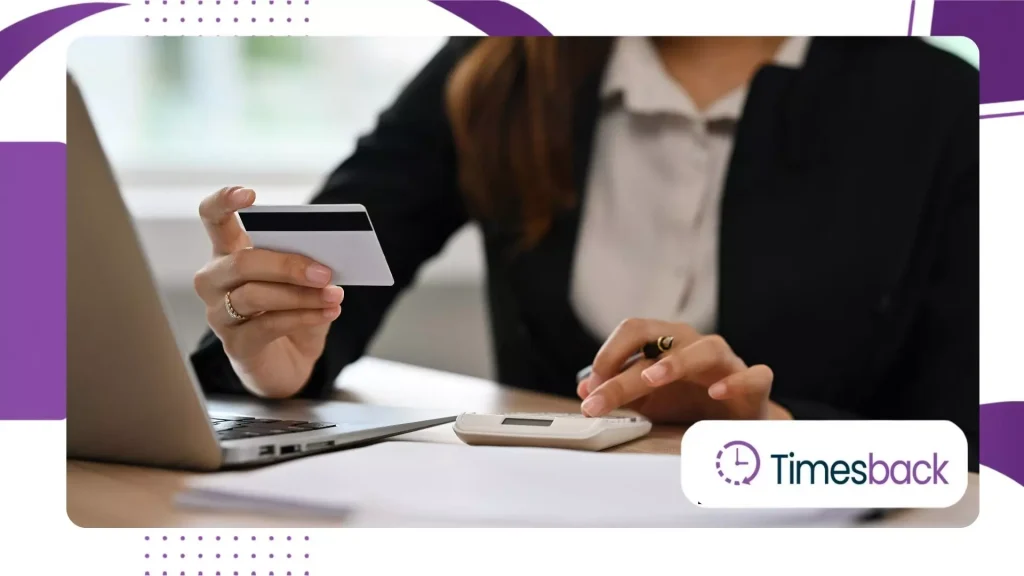
Revolving Debt Dependency destroys household financial stability by trapping everyday consumers inside compounding interest cycles that prevent true wealth accumulation.
Anúncios
Modern credit card structures encourage minimum monthly payments, masking long-term financial peril behind deceptive convenience.
Families often rely on open credit lines to bridge temporary cash flow gaps, accidentally building permanent monetary anchors.
Breaking free from this borrowing cycle demands absolute fiscal discipline, rigorous budgeting, and strategic restructuring.
Financial institutions profit immensely when cardholders maintain persistent credit balances year after year without clearing principal amounts.
This silent wealth drain prevents ordinary workers from investing in retirement accounts, purchasing residential property, or handling unexpected emergencies.
Imagine standing on a slow escalator moving downward while you try running upward to escape basement level. Are you ready to cut your credit cards and reclaim absolute control over your hard-earned money?
Navigating Your Path Out of High-Interest Liabilities
- Analyzing the true compound cost of carrying monthly credit balances.
- Implementing aggressive debt avalanche payment strategies to eliminate principal quickly.
- Rebuilding emergency savings funds to prevent future plastic reliance.
- Adopting strict cash-flow boundaries for sustainable long-term financial independence.
What Causes Consumers to Rely on Revolving Credit Lines?
Revolving Debt Dependency usually begins during minor household cash emergencies when checking accounts fail to cover unexpected expenses.
Modern consumer culture normalizes carrying monthly plastic balances, making high-interest borrowing feel like an ordinary monthly utility bill.
Credit card companies target vulnerable households with aggressive limit increases, tempting spenders into lifestyle inflation beyond their actual income.
Think of easy credit access as a velvet-lined trapdoor opening directly into a deep basement of financial stress.
Economic research published by the Federal Reserve Bank of New York indicates that total household credit card balances exceed historic thresholds globally.
This staggering debt accumulation highlights systemic vulnerabilities across middle-income families facing persistent inflation and stagnant wage growth.
When monthly paychecks barely cover basic housing and grocery costs, consumers instinctively swipe plastic cards to survive.
This dangerous habit transforms temporary income shocks into permanent structural liabilities that linger for decades.
Why Do Minimum Payments Deceive Borrowers?
Minimum payment structures require microscopic percentages of total balances, tricking cardholders into believing their debt load remains manageable.
In reality, these tiny payments cover mostly accrued interest charges while leaving the core principal virtually untouched.
Borrowers spend years paying multiples of the original purchase price without reducing their actual liability.
++ Credit Line Reductions Surprise Borrowers During Slowdowns
How Does Lifestyle Inflation Accelerate Borrowing?
Rising salaries often trigger immediate upgrades in housing, vehicles, and entertainment expenses, exhausting disposable cash buffers instantly.
When unexpected bills arrive, these inflated lifestyles leave zero room for error, forcing reliance on credit cards. Maintaining modest living standards protects families from sudden solvency crises.
Also read: E-Invoicing Systems Credit Transform Payment Cycles in 2026
What Role Do Psychological Triggers Play in Spending?
Plastic transaction cards detach physical pain from spending, making digital or tapped purchases feel completely painless compared to handing over cash.
Retailers exploit this neurological loophole deliberately, designing frictionless checkout experiences that encourage impulse buying. Recognizing these mental triggers helps curb unnecessary credit card utilization.
How Does Compound Interest Destroy Long-Term Wealth?

Revolving Debt Dependency weaponizes compound interest against cardholders, turning small initial purchases into massive financial burdens over time.
Annual percentage rates hovering near twenty-five percent mean unpaid balances double roughly every four years if left unmanaged.
Wealth accumulation requires positive investment returns, whereas persistent debt extraction guarantees negative net worth compounding daily.
Comparing this dynamic to a ticking financial time bomb reveals why prompt intervention remains absolutely vital.
Consider a practical example where a cardholder carries a five-thousand-dollar balance at twenty percent interest while paying only minimums.
That consumer will spend over a decade clearing the debt while paying thousands in pure interest fees to the bank.
Those diverted funds could otherwise fund retirement portfolios, children’s education funds, or real estate down payments.
Eradicating high-interest balances functions like receiving an immediate, guaranteed twenty percent return on your capital.
Read more: AI Credit Risk Models Are Reshaping Lending Decisions in 2026
Why Are Credit Card Interest Rates So High?
Unsecured revolving credit lines carry zero physical collateral, forcing lenders to charge exorbitant interest rates to cover potential default losses.
This high-risk pricing model punishes responsible borrowers who carry balances alongside high-risk accounts. Avoiding interest charges altogether is the only logical defense against this predatory pricing structure.
How Does Debt Impact Mental Health and Productivity?
Constant financial anxiety regarding mounting monthly bills elevates cortisol levels, triggering chronic stress, insomnia, and workplace distraction.
Employees burdened by heavy debt struggle to focus on career advancement, creating a vicious cycle of stagnant earnings. Achieving debt freedom restores mental clarity and professional drive.
What Happens When Credit Limits Are Maxed Out?
Reaching maximum credit limits destroys your credit utilization ratio, causing your overall credit score to plummet instantly.
Lower credit scores trigger penalty interest rates on existing accounts and increase insurance premiums across the board. Breaking this cycle requires freezing all credit usage immediately.
Why Is Restructuring Your Budget Essential for Freedom?
Overcoming Revolving Debt Dependency requires an uncompromising audit of monthly expenditures to redirect every available dollar toward principal reduction.
Cutting discretionary dining, subscription services, and impulsive shopping creates the aggressive cash surplus needed for debt eradication.
Think of a strict post-debt budget as a temporary cast healing a broken bone so you can walk freely again.
Without radical spending adjustments, any momentary relief provided by balance transfers will ultimately fail.
Financial planners recommend deploying either the debt avalanche method, targeting highest interest rates first, or the snowball method, clearing smallest balances.
Both frameworks rely on consistency and behavioral modification rather than complex mathematical formulas that intimidate everyday workers.
Tracking every single dollar spent ensures your hard-earned income serves your future rather than servicing past purchases. True financial independence begins the exact moment you stop spending money you haven’t earned yet.
How Does the Debt Avalanche Method Work?
The avalanche strategy organizes all outstanding debts by interest rate from highest to lowest, directing surplus cash to the peak rate.
Minimum payments are maintained on all other accounts until the most expensive liability is completely eliminated. This mathematical approach minimizes total interest paid over time.
Why Do Emergency Funds Prevent Relapse?
Building a modest cash buffer of one thousand dollars stops unexpected car repairs or medical bills from triggering new credit card debt.
Without this liquid buffer, any minor emergency forces consumers right back into vicious borrowing cycles. Cash reserves act as your primary financial shock absorber.
What Are the Dangers of Balance Transfer Cards?
Balance transfer cards offering zero-percent introductory periods tempt consumers into believing their debt problems are magically solved.
Without addressing underlying overspending habits, users often rack up new debt on their cleared cards, doubling their total liability. Transfers only work when paired with permanent lifestyle changes.
Strategic Debt Elimination Comparison Matrix
The structured table below contrasts the high-cost reality of revolving debt reliance against the long-term benefits of debt-free living.
| Financial Indicator | Revolving Debt Dependency | Debt-Free Independence |
| Monthly Cash Flow | Crippled by high interest payments | Fully available for saving and investing |
| Emergency Resilience | Zero buffer; relies on plastic cards | Strong liquid savings fund ready |
| Credit Score Impact | Damaged by high utilization ratios | Excellent due to low or zero balances |
| Long-Term Net Worth | Compounding negative trajectory | Exponential positive compounding growth |
Reclaiming Your Financial Future Today
Breaking away from Revolving Debt Dependency unlocks unprecedented peace of mind and empowers you to build authentic, lasting generational wealth.
By treating credit cards strictly as transactional convenience tools rather than emergency funding sources, you protect your hard-earned income.
True financial independence is not about earning millions, but rather keeping what you earn free from interest slavery. Take a hard look at your current statements today and commit to your freedom journey.
How will you restructure your budget this week to accelerate your path out of debt? Share your thoughts in the comments below!
Frequently Asked Questions
Should I close my credit cards after paying them off?
Closing old credit card accounts can actually harm your overall credit score by shortening your average credit history and reducing available credit limits.
Instead, keep accounts open with zero balances, lock physical cards away safely, and ensure there are no annual membership fees.
How long does it take to repair a damaged credit score?
Rebuilding a damaged credit score typically requires six to twelve months of consistent, on-time payments and aggressive debt reduction down below thirty percent utilization.
Significant negative marks like past defaults may remain on your report for up to seven years.
Is debt consolidation a safe option for heavy borrowers?
Debt consolidation loans can simplify multiple high-interest payments into a single lower monthly installment, provided you do not run up new card balances.
Success depends entirely on committing to strict spending discipline while your consolidation loan amortizes.