
Why Liquidity Matters More Than Appreciation in Property Investment
Liquidity matters more than appreciation in property investment the moment you realize that paper gains sitting inside four walls don’t pay hospital bills, don’t fund a sudden career pivot, and definitely don’t help when the market decides to take a long nap.
Anúncios
Appreciation is seductive. Liquidity is survival.
Keep reading to learn more!
Summary of Topics Covered
- What Are We Really Talking About When We Say Liquidity Matters More Than Appreciation in Property Investment?
- How Does Liquidity Actually Shape the Decisions You Make?
- What Happens When You Obsess Over Appreciation and Ignore the Exit Door?
- Why Does Liquidity Feel Even More Urgent Right Now?
- Stories From the Ground That Make the Numbers Real
- Frequently Asked Questions
What Are We Really Talking About When We Say Liquidity Matters More Than Appreciation in Property Investment?
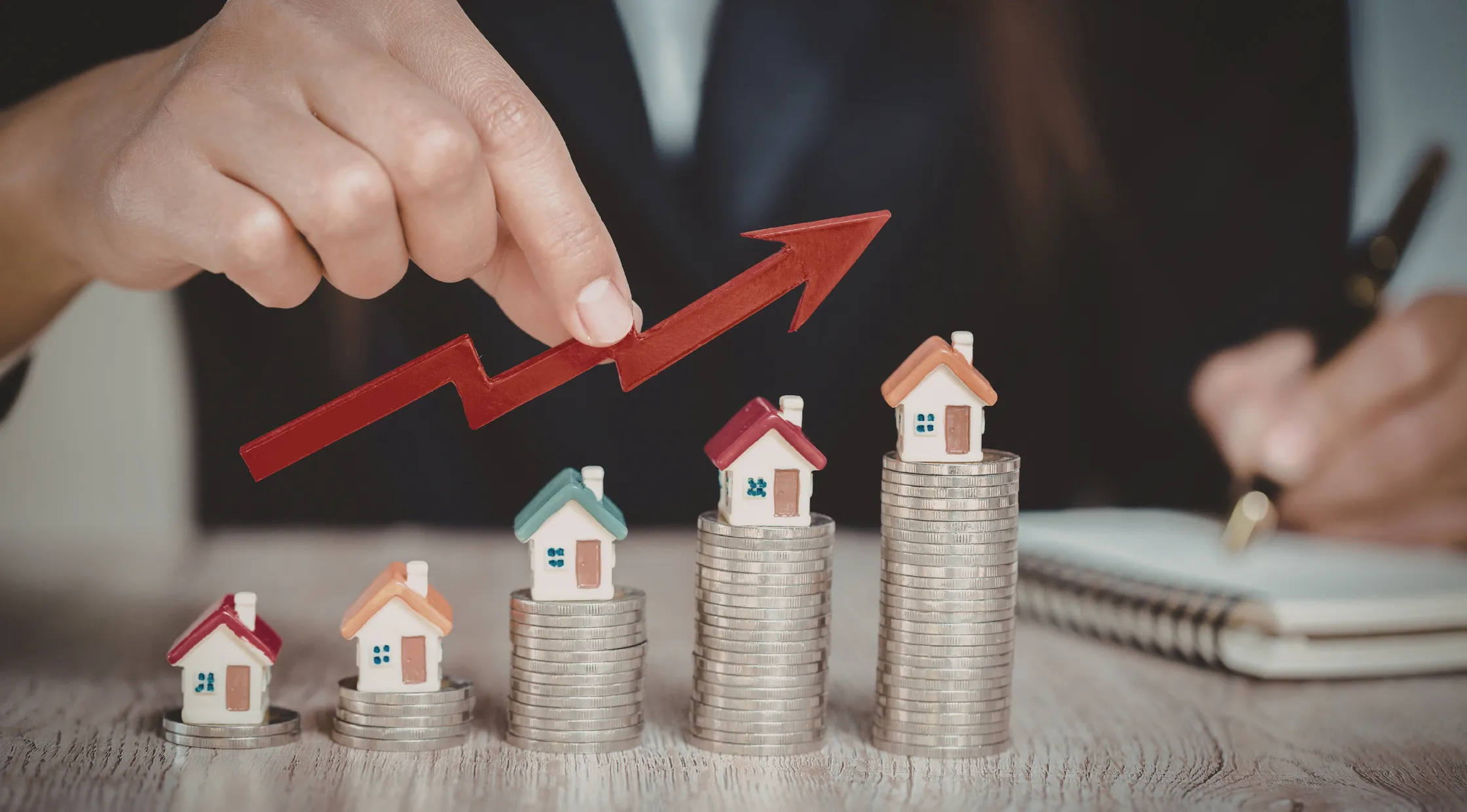
Liquidity is the speed and dignity with which you can turn a property back into cash.
Anúncios
Appreciation is the slow climb in value that looks beautiful on a spreadsheet and feels terrible when you need money yesterday.
Most people still inherit the old gospel: buy in the right postcode, hold forever, let time and gentrification do the heavy lifting.
That story was born in the long postwar boom when mortgages were cheap, jobs were stable, and cities grew in predictable directions.
It’s 2026 now. Interest rates have spent years reminding everyone that borrowing isn’t free, remote work scattered demand, and supply chains taught us how fast “stable” can become fragile.
When liquidity takes priority you start asking different questions.
Not “how much will this be worth in ten years?” but “who is going to want to buy this if I need to sell next quarter?”
That shift isn’t defeatist—it’s sober. It forces you to treat real estate less like a family heirloom and more like an asset that has to perform under pressure.
++ Franchise Agreements Under Scrutiny: Clauses That Matter Most in 2026
How Does Liquidity Actually Shape the Decisions You Make?
You begin hunting neighborhoods where people actually move in and out.
Places with multiple employment hubs, good schools, public transport, walkability. Inventory turns over fast there.
Days on market stay low. Even in a dip you’re more likely to find a buyer who doesn’t need to lowball you into oblivion.
Contrast that with the classic appreciation play: the up-and-coming exurb where new highways are promised, schools are planned, and everyone swears the train is coming next year.
Appreciation can be spectacular—until it isn’t.
And when sentiment flips, the same people who drove prices up disappear, leaving you with a beautiful house and a for-sale sign that’s starting to look like furniture.
Liquidity also buys optionality. You can 1031 exchange into something better without bleeding taxes. You can pull equity for another deal.
You can walk away from a bad tenant or a changing neighborhood without praying for a miracle buyer. It’s quiet power.
The kind that doesn’t make Instagram reels but keeps you sleeping at night.
++ Household Cost Optimization Beyond Cutting Expenses
What Happens When You Obsess Over Appreciation and Ignore the Exit Door?
You become hostage to the market’s mood swings. Look at what happened in secondary Florida markets after 2022. Prices had run hard on pandemic migration.
Then insurance premiums tripled, rates climbed, and remote workers started drifting back to cities.
Appreciation stalled. Liquidity evaporated. Sellers who needed to move watched offers vanish and commissions eat their equity.
++ Financial Habits That Separate Stable Businesses from Failing Ones
There’s an emotional cost too. People tie identity to “winning” on appreciation. When the number stops going up they feel personally attacked.
That defensiveness clouds judgment—holding too long, over-improving, refusing realistic pricing.
A 2024 survey by the National Association of Realtors found that roughly one in six investors who sold at a loss in the prior two years admitted they waited “too long hoping for a rebound.”
The deeper risk is opportunity cost. Capital locked in a slow-moving asset can’t chase better returns elsewhere.
It can’t cover life. It just sits there, quietly depreciating in real terms while inflation chews the edges.
Why Does Liquidity Feel Even More Urgent Right Now?
Rates are still elevated compared to the 2010s. Inflation has made fixed costs (insurance, taxes, maintenance) bite harder.
Hybrid work keeps reshaping where people actually want to live.
Add geopolitical tension and supply-chain fragility and you get a market that can pivot fast—sometimes violently.
Redfin’s 2025 housing data showed properties in the most liquid U.S. metros (think parts of Atlanta, Charlotte, Raleigh) coming back from slowdowns about 30% faster than less liquid ones.
Speed to recovery isn’t sexy, but it’s real money.
Liquidity lets you stay nimble. You can sell, redeploy, wait out storms, or double down when others are frozen. Appreciation-only players are left hoping the tide lifts all boats again.
Sometimes it does. Sometimes it just lifts the boats that were already floating.
Think of appreciation as wind in a sail. Lovely when it’s blowing your way.
Liquidity is the engine. You may not need it every day, but when the wind dies you’ll be damn glad it’s there.
Stories From the Ground That Make the Numbers Real
Take Sofia, 41, São Paulo. She bought a two-bedroom in Pinheiros in 2019 expecting steady 6–8% annual gains.
By late 2024 the building had new management fees, street noise from construction, and a glut of similar units nearby. Value was flat.
When her company offered a transfer to Lisbon she needed to sell fast.
It took five months, two price cuts, and she left with less than she’d projected. The appreciation never materialized when she needed the cash.
Now look at Rafael in Florianópolis. He deliberately bought a smaller apartment near the university and tech coworking spaces—high tenant turnover, constant demand from young professionals.
When his daughter needed money for a master’s abroad in 2025 he listed it. Sold in 18 days at asking.
No drama. He redeployed part into Treasuries yielding over 12% a.a. and kept breathing.
These aren’t outliers. They’re what happens when liquidity is treated as a feature, not an afterthought.
Frequently Asked Questions
Real questions that keep showing up in inboxes and WhatsApp groups:
| Question | Straight answer |
|---|---|
| How do I actually judge if a property is liquid? | Look at average days on market in the micro-area (ZAP, QuintoAndar, Loft data), rental vacancy rates, and how many similar units sold in the last six months. Under 60 days is usually healthy. |
| Isn’t appreciation still the main way to build wealth in real estate? | Long-term yes, if you can wait. Short-to-medium term liquidity often protects and multiplies the wealth you already have. |
| Can I improve liquidity on a property I already own? | Yes—price realistically, stage properly, target the broadest buyer pool (not just luxury), consider short-term rental history to prove cash flow. |
| What if I’m in it for 15–20 years? | Then appreciation can dominate. But even then, building in an escape hatch (location, condition, reasonable leverage) saves sleepless nights. |
| Are REITs or funds better for liquidity? | If pure liquidity is the goal, yes—they trade like stocks. But they don’t give you the same control or tax advantages of direct ownership. |
Want to dig deeper? Check Redfin’s latest market pulse, Zillow Research housing data, and CoreLogic’s home price insights.
