
How to Read Your Credit Report Without Getting Confused
How to Read Your Credit Report: navigating a credit report can feel like deciphering an ancient manuscript.
Anúncios
The dense terminology, cryptic codes, and sheer volume of data can overwhelm even the most financially savvy individuals.
Yet, understanding your credit report is crucial for maintaining financial health, securing loans, and planning for the future.
This guide demystifies the process, offering clear, actionable steps to read your credit report without confusion.
Anúncios
By breaking down its components, addressing common pitfalls, and providing practical examples, we’ll empower you to take control of your financial narrative.
Why let a document dictate your financial fate when you can master it?
How to Read Your Credit Report
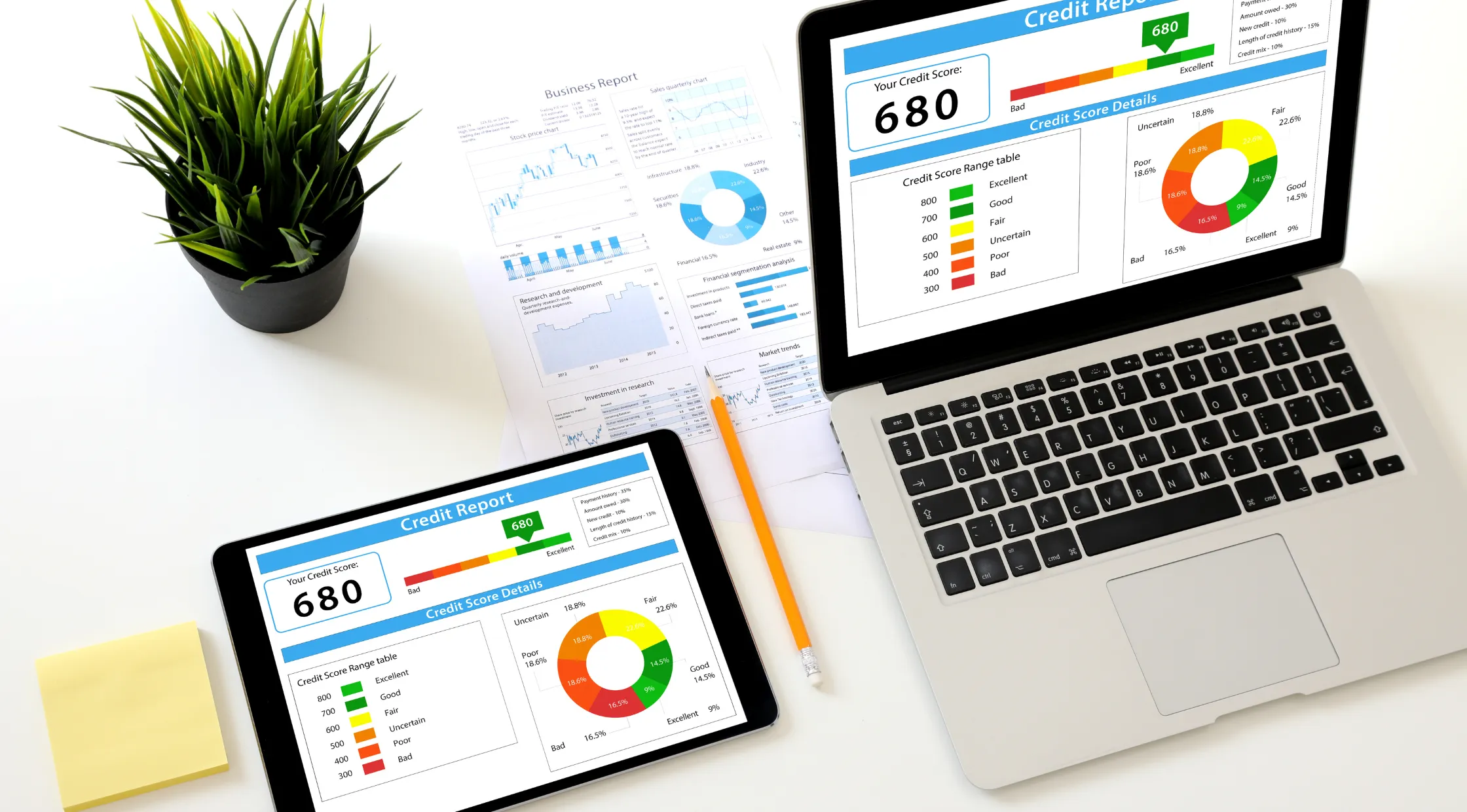
A credit report is a snapshot of your financial history, compiled by credit bureaus like Equifax, Experian, and TransUnion.
++ How to Be a Smart Shopper: 10 Tips That Actually Work
It influences everything from mortgage approvals to credit card interest rates. However, its complexity often deters people from engaging with it fully.
According to a 2023 Federal Reserve study, 40% of Americans have never reviewed their credit report, potentially missing errors that could cost them thousands.
This article provides a roadmap to interpret your report confidently, using real-world examples, a compelling analogy, and a data-driven approach to ensure clarity.
Our goal is to transform your credit report from a daunting puzzle into a tool for empowerment. We’ll explore its key sections, highlight strategies to spot inaccuracies, and address common questions.
Additionally, we’ll incorporate SEO-friendly transitions to ensure you find this guide easily while delivering authentic, high-value insights.
Let’s dive into the process of reading your credit report with precision and confidence.
Understanding the Structure of Your Credit Report
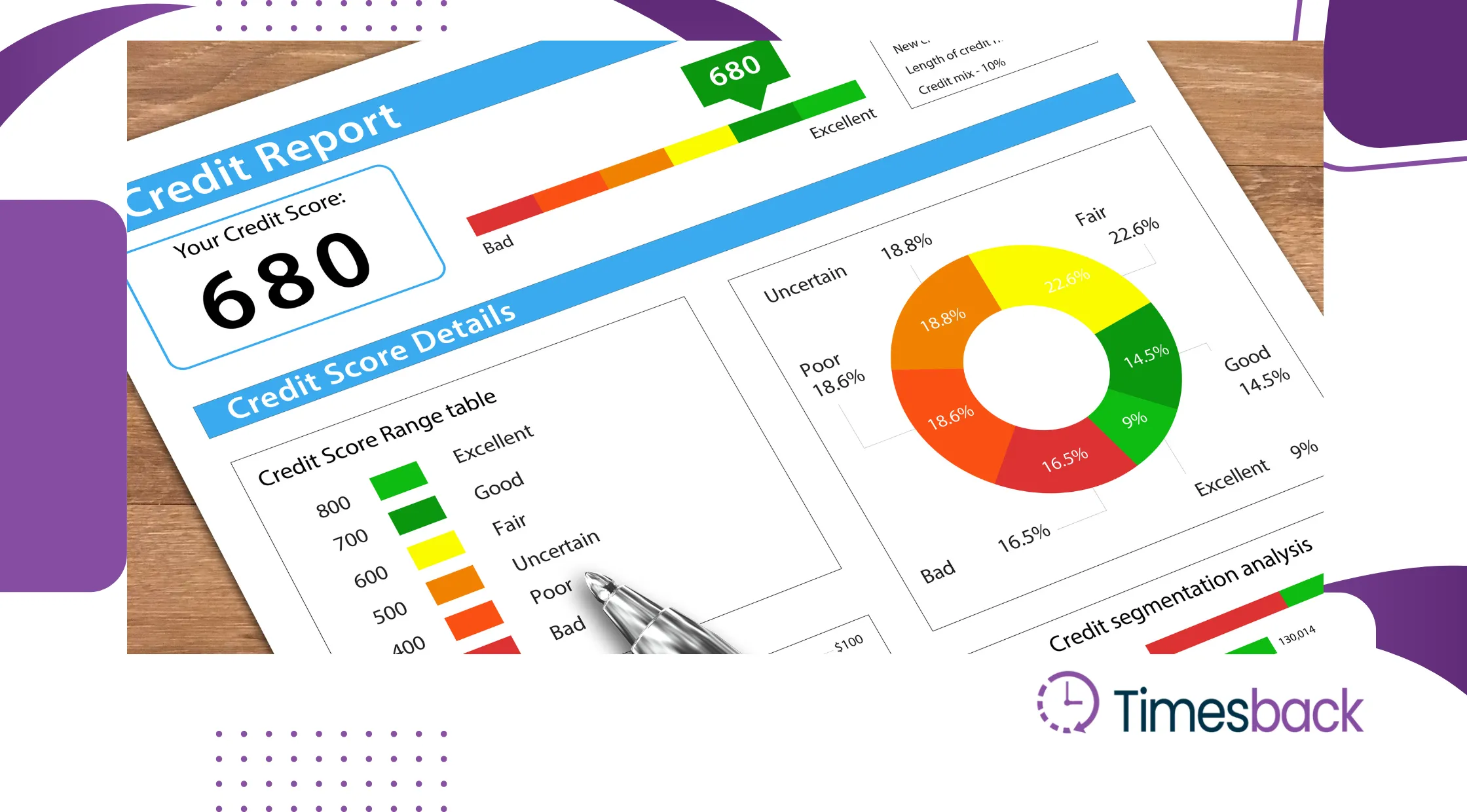
To begin, think of your credit report as a financial blueprint. Just as an architect uses a blueprint to understand a building’s structure, you can use your credit report to assess your financial foundation.
++ 7 Signs You’re Being Overcharged
It’s divided into several key sections: personal information, account history, credit inquiries, and public records.
Each section serves a distinct purpose, and understanding their roles is the first step to avoiding confusion.
For instance, the personal information section lists your name, address, and Social Security number, ensuring the report is tied to you.
Errors here, though rare, can lead to mix-ups with other individuals’ data.
Next, the account history section is the heart of your report.
It details your credit accounts, including credit cards, mortgages, and auto loans, along with their payment history, balances, and status.
This section is where most errors occur, such as incorrect late payments or accounts that don’t belong to you.
By reviewing this section carefully, you can spot discrepancies that might lower your credit score.
For example, Sarah, a 34-year-old teacher, discovered a credit card listed on her report that she never opened.
By disputing it, she raised her credit score by 50 points, securing a better mortgage rate.
Moreover, the credit inquiries and public records sections provide additional context.
Credit inquiries show who has accessed your report, divided into “hard” inquiries (e.g., loan applications) and “soft” inquiries (e.g., background checks).
Public records include bankruptcies or liens, which can significantly impact your score.
Familiarizing yourself with these sections ensures you know where to look for potential issues.
To illustrate, consider this analogy: your credit report is like a medical chart.
Just as a doctor reviews test results to diagnose health issues, you review your report to diagnose financial ones.
| Section | Description | What to Check For |
|---|---|---|
| Personal Information | Includes name, address, SSN, and employment history | Misspellings, outdated addresses, or wrong SSN |
| Account History | Lists all credit accounts, payment history, balances, and account status | Incorrect balances, unrecognized accounts, errors |
| Credit Inquiries | Shows who accessed your report (hard/soft inquiries) | Unauthorized hard inquiries |
| Public Records | Details bankruptcies, tax liens, or judgments | Inaccurate or outdated records |
Strategies to Avoid Confusion When Reviewing Your Report

How to Read Your Credit Report!
Now that you understand the structure, let’s explore how to approach your credit report methodically.
First, obtain your free annual report from AnnualCreditReport.com, the only authorized source for free reports from all three major bureaus.
++ Saving for a Home: Tips to Reach Your Down Payment Goal Faster
Reviewing all three reports is critical because they may differ slightly.
For instance, John, a small business owner, found that Experian reported a late payment that TransUnion did not.
By cross-referencing, he identified and corrected the error, avoiding a dip in his credit score.
Regularly checking your report ideally every four months by staggering requests helps you stay proactive.
Furthermore, break down the review process into manageable steps.
Start with the personal information section to confirm accuracy, then move to account history, focusing on payment statuses and balances. Use a highlighter or digital tool to mark discrepancies.
Pay special attention to accounts marked as “closed” or “delinquent,” as these can disproportionately affect your score.
If you spot an error, file a dispute with the credit bureau online, providing clear evidence like bank statements or payment confirmations.
This systematic approach prevents overwhelm and ensures thoroughness.
Additionally, leverage technology to simplify the process.
Many credit monitoring apps, like Credit Karma or Experian’s app, provide user-friendly interfaces to track changes in your report.
These tools often flag potential issues, such as sudden score drops or unfamiliar accounts.
However, don’t rely solely on apps cross-check with your official report for accuracy.
By combining manual review with digital tools, you create a robust system to stay on top of your credit health.
Isn’t it worth investing a few hours a year to protect your financial future?
| Step | Action | Why It Matters |
|---|---|---|
| Obtain Reports | Get free reports from AnnualCreditReport.com | Ensures access to accurate, up-to-date data |
| Cross-Reference | Compare reports from Equifax, Experian, TransUnion | Identifies discrepancies across bureaus |
| Highlight Errors | Mark inaccuracies in account history or personal info | Simplifies dispute process |
| Use Apps | Leverage credit monitoring tools for alerts and insights | Saves time and highlights potential issues |
Spotting and Correcting Errors Effectively

Errors in credit reports are more common than you might think.
A 2021 Consumer Financial Protection Bureau study found that 34% of credit reports contain at least one error, ranging from minor typos to significant inaccuracies like fraudulent accounts.
These errors can lower your credit score, increase borrowing costs, or even derail major financial goals.
To combat this, adopt a proactive mindset when reviewing your report. Start by scanning for unfamiliar accounts or inquiries, which could indicate identity theft.
When you identify an error, act swiftly.
File a dispute with the credit bureau online or via mail, providing detailed documentation.
For example, if a late payment is incorrectly reported, submit proof of on-time payment, such as a bank statement.
Keep records of all correspondence and follow up if the bureau doesn’t resolve the issue within 30 days, as required by law.
In one case, Maria, a nurse, disputed a $2,000 medical bill that appeared on her report despite being paid.
Her persistence led to its removal, boosting her score by 30 points.
Equally important, monitor your report after disputes to ensure corrections are made.
If errors persist, escalate the issue to the Consumer Financial Protection Bureau.
Additionally, consider placing a fraud alert or credit freeze if you suspect identity theft.
These steps protect your credit while you resolve issues.
By treating your credit report as a dynamic document one that requires regular attention you can maintain its accuracy and safeguard your financial reputation.
| Error Type | Example | Action to Take |
|---|---|---|
| Incorrect Personal Info | Wrong address or misspelled name | Submit updated info with ID proof |
| Fraudulent Accounts | Unrecognized credit card or loan | File dispute, add fraud alert |
| Incorrect Payment Status | Late payment reported despite on-time payment | Provide payment proof (e.g., bank statement) |
| Outdated Records | Bankruptcy listed beyond 7-10 year reporting period | Request removal with supporting documents |
Maximizing the Benefits of a Clean Credit Report
Once you’ve mastered reading and correcting your credit report, you can leverage it to enhance your financial life.
A clean, accurate report opens doors to better loan terms, lower interest rates, and even job opportunities, as some employers check credit during hiring.
For instance, a higher credit score could save you thousands on a mortgage.
A 2023 NerdWallet analysis showed that a 50-point score increase could reduce mortgage interest by 0.5%, saving $20,000 over 30 years on a $300,000 loan.
Moreover, understanding your report empowers you to make strategic financial decisions.
If your report shows high credit card balances, prioritize paying them down to improve your credit utilization ratio, a key factor in your score.
Alternatively, if you notice frequent hard inquiries, pause applying for new credit to avoid further dings.
By using your report as a guide, you can optimize your financial behavior and achieve long-term goals, whether it’s buying a home or starting a business.
Finally, maintain vigilance by integrating credit monitoring into your routine.
Set calendar reminders to check your report every four months and use alerts from monitoring services to catch issues early.
This proactive approach ensures your report remains a true reflection of your financial history, giving you confidence in negotiations with lenders or insurers.
By treating your credit report as a living document, you transform it from a source of confusion into a powerful tool for financial success.
| Action | Benefit | How to Implement |
|---|---|---|
| Pay Down Balances | Lowers credit utilization, boosts score | Focus on high-interest cards first |
| Limit Hard Inquiries | Prevents score drops from excessive applications | Wait 6-12 months between credit applications |
| Regular Monitoring | Catches errors or fraud early | Check reports every 4 months, use apps |
| Dispute Errors Promptly | Restores score accuracy, improves loan terms | File disputes with evidence within 30 days |
Frequently Asked Questions About How to Read Your Credit Report
To wrap up, let’s address common questions that arise when reading credit reports.
These FAQs provide quick, actionable answers to help you navigate this process with confidence.
| Question | Answer |
|---|---|
| How often should I check my credit report? | At least every four months, using free reports from AnnualCreditReport.com. Stagger requests across bureaus for year-round monitoring. |
| What’s the difference between hard and soft inquiries? | Hard inquiries (e.g., loan applications) can lower your score slightly; soft inquiries (e.g., checking your own report) don’t. |
| How long do errors take to resolve? | Bureaus must investigate within 30 days. Provide clear evidence to expedite. |
| Can a credit report affect my job prospects? | Some employers check credit reports, especially for financial roles, but they need your permission. |
| What if I find a fraudulent account? | File a dispute, place a fraud alert, and consider a credit freeze to protect your identity. |
How to Read Your Credit Report: Conclusion
Reading your credit report doesn’t have to be a bewildering experience.
By understanding its structure, adopting a systematic review process, correcting errors promptly, and leveraging its insights, you can turn your credit report into a powerful ally.
With practical examples like Sarah and John, an analogy to a medical chart, and a data-backed approach, this guide equips you to navigate your report with confidence.
Regular monitoring and strategic actions ensure your financial story remains accurate and advantageous.
So, why not take the first step today and request your free report?
Your financial future deserves clarity.
