
Cold Storage Warehouses Become High-Demand Investment Assets
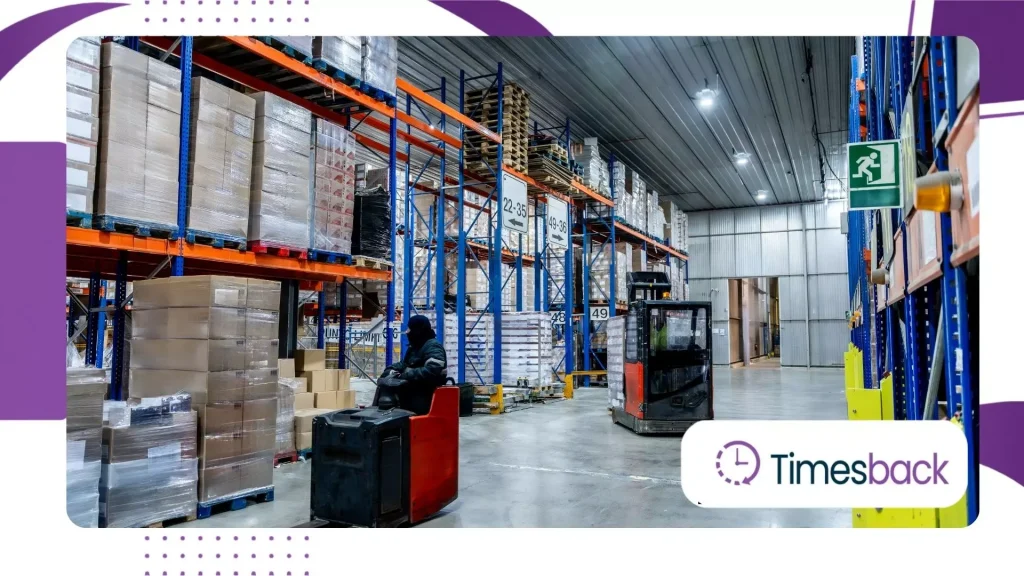
Cold Storage Warehouses represent the most lucrative alternative real estate sector in 2026, driven by explosive growth in e-commerce grocery delivery and pharmaceutical distribution needs.
Anúncios
Institutional investors are aggressively redirecting capital toward specialized temperature-controlled facilities, leaving traditional office spaces behind.
This dramatic market pivot highlights a permanent shift in consumer expectations regarding supply chain speed and product freshness.
Property developers now view refrigerated infrastructure as the ultimate defensive asset class capable of withstanding broader economic downturns.
Navigating this specialized commercial market requires understanding the complex engineering demands and high capital expenditures required to maintain sub-zero environments reliably.
Unlike conventional distribution hubs, temperature-controlled facilities require advanced refrigeration engineering, specialized insulation panels, and redundant power systems to prevent catastrophic inventory loss.
Investors who master these operational nuances unlock exceptional yields and long-term lease commitments from top-tier corporate tenants.
Are you ready to explore why specialized industrial real estate is outperforming traditional commercial sectors?
Strategic Roadmap for Temperature-Controlled Investments
- Unpacking the structural drivers fueling unprecedented demand for refrigerated real estate assets.
- Analyzing the technical complexities, high setup costs, and operational risks of modern facilities.
- Evaluating lease structures, tenant stickiness, and long-term yield projections for portfolio growth.
- Reviewing current market data, valuation trends, and future expansion forecasts across global hubs.
What Are Temperature-Controlled Facilities and How Do They Work?
Cold Storage Warehouses function as highly engineered thermal ecosystems designed to preserve perishable foods, biological pharmaceuticals, and frozen goods under strict temperature parameters.
These facilities utilize multi-zone refrigeration systems capable of maintaining environments ranging from chilled produce bays down to cryogenic deep-freeze chambers.
Think of a standard logistics warehouse as a basic storage garage, whereas a refrigerated facility operates like a massive, precision-tuned medical laboratory.
Maintaining exact humidity and thermal control prevents spoilage while ensuring compliance with stringent international food safety regulations.
Engineering these advanced structures requires massive upfront capital because specialized insulation and continuous power redundancy are absolute prerequisites for daily operations.
A sudden power failure can destroy millions of dollars worth of pharmaceutical vaccines or fresh produce within hours, making backup generators critical.
Consequently, property owners invest heavily in automated temperature monitoring software that alerts engineers to minor thermal fluctuations before disasters occur.
This technological integration transforms basic real estate into mission-critical infrastructure that tenants cannot easily replace or relocate.
Why Is E-Commerce Grocery Driving This Boom?
The massive migration of consumers toward online grocery shopping has forced national supermarket chains to secure reliable, large-scale fulfillment infrastructure near urban centers.
Traditional distribution centers lack the freezing capacity required to process high volumes of fresh meat, dairy, and frozen meal kits.
This surge in consumer demand creates an insatiable appetite for modern, tech-enabled facilities capable of rapid inventory turnover.
++ REIT Discount Valuation Gaps Signal Market Mispricing 2026
How Do Pharmaceutical Demands Shape Facility Design?
Global distribution of temperature-sensitive vaccines and biologic drugs requires ultra-cold storage facilities with rigorous compliance tracking and audit trails.
These pharmaceutical clients sign long-term triple-net leases, providing property investors with remarkably stable, predictable cash flows.
The stringent validation processes required for medical storage create a massive barrier to entry for competing developers.
Also read: Senior Housing Investment Climbs as Demand Reaches Peak
What Are the Key Engineering Challenges?
Constructing thermal facilities involves preventing “thermal bridging,” where heat penetrates standard building materials and compromises the internal sub-zero climate.
Builders use insulated metal panels and specialized under-floor heating systems to prevent the ground beneath the foundation from freezing and cracking.
Solving these structural hurdles demands specialized architectural expertise that commands premium rental rates in the current market.
Why Do Institutional Investors Favor Specialized Logistics?

Investing in Cold Storage Warehouses offers superior lease stability because tenants face exorbitant moving costs if they attempt to relocate heavy refrigeration equipment.
Once a food distributor or pharmaceutical giant installs custom racking and ammonia cooling systems, they commit to that physical location for decades.
This high tenant retention rate protects investors against vacancy risks, even during periods of broader macroeconomic contraction.
Real estate portfolios containing temperature-controlled assets consistently outperform standard industrial parks in risk-adjusted yield generation.
Real estate data published by CBRE Industrial Insights indicates that cap rates for prime refrigerated assets remain highly attractive compared to standard urban warehouses.
Consider this financial analogy: owning a standard industrial shed is like renting a simple parking lot space, whereas owning a refrigerated facility is like owning an energy grid substation.
The high operational barrier to entry ensures limited supply growth, driving rental appreciation and long-term capital preservation for savvy property owners.
Institutional funds continue expanding their allocations to capture these resilient, inflation-hedged returns.
Read more: Off-Market Real Estate Deals Become Scarce in the 2026 Investment Cycle
How Do Triple-Net Leases Protect Yields?
Most refrigerated facility leases are structured as triple-net agreements, meaning tenants cover property taxes, building insurance, and routine maintenance costs directly.
This contractual arrangement insulates property owners from unexpected inflation spikes in operational expenses or utility cost fluctuations.
Investors receive net rental income without the day-to-day management headaches associated with traditional commercial real estate.
What Is the Impact of Supply Constraints?
Zoning restrictions, complex environmental regulations regarding refrigerant gases, and lengthy construction timelines severely limit new supply additions in major metropolitan areas.
This structural supply shortage gives existing facility owners immense pricing power during lease renewals.
Developers who successfully navigate municipal approval processes unlock immediate equity gains upon project completion.
How Does Automation Enhance Asset Value?
Modern facilities increasingly integrate automated storage and retrieval systems (ASRS) to maximize vertical storage density in expensive urban land markets.
Automated robotic cranes operate efficiently in sub-zero environments where human labor is costly and difficult to retain.
Properties equipped with advanced automation command higher valuations and attract blue-chip corporate tenants.
What Are the Operational Risks and Mitigation Strategies?
Operating Cold Storage Warehouses involves managing unique risks, particularly regarding high energy consumption and stringent environmental compliance standards.
Refrigeration systems consume enormous amounts of electricity, exposing owners to volatile power pricing unless mitigated through solar integration or long-term utility contracts.
Furthermore, older facilities utilizing traditional Freon or ammonia coolants face costly retrofitting mandates to comply with modern green emissions regulations.
Proactive asset management requires continuous energy audits and strategic investments in sustainable, eco-friendly cooling technologies.
Mitigating these operational hazards separates successful real estate funds from underperforming operators in the competitive cold chain logistics sector.
Property managers now partner with specialized engineering firms to implement predictive maintenance schedules that prevent catastrophic compressor failures.
Environmental, Social, and Governance (ESG) compliance has become a central focus, with leading funds retrofitting roofs with solar arrays to power their heavy cooling loads.
By addressing sustainability head-on, asset owners protect their portfolios against regulatory fines and reduce operating expenses significantly.
How Are Energy Costs Managed Effectively?
Facility operators install thermal energy storage tanks that freeze water during cheap off-peak night hours and use that ice for daytime cooling.
This intelligent load-shifting strategy drastically reduces monthly electricity bills while stabilizing grid demand during peak summer heatwaves.
Energy efficiency directly translates into higher net operating income for property investors.
Why Is Talent Retention Crucial for Operations?
Managing complex sub-zero logistics hubs requires skilled refrigeration technicians who understand industrial ammonia safety and computerized climate control systems.
Facility owners often collaborate with local technical schools to train specialized personnel, ensuring uninterrupted operational continuity.
High labor standards protect the integrity of stored inventory and maintain tenant trust.
How Do Environmental Laws Affect Valuations?
Stricter global regulations on synthetic greenhouse gas refrigerants mean older facilities require capital-intensive HVAC overhauls to remain legally operational.
Investors must conduct thorough environmental due diligence before acquisition to ensure buildings meet current safety codes.
Properties failing to upgrade face steep depreciation and tenant abandonment.
Performance Metrics: Refrigerated vs. Standard Logistics
The comparative table below illustrates the key operational and financial differences between traditional industrial warehouses and specialized temperature-controlled facilities.
| Evaluation Metric | Traditional Logistics Warehouses | Cold Storage Warehouses |
| Initial Construction Cost | Moderate (Standard steel and concrete) | High (Specialized insulation and heavy refrigeration) |
| Tenant Retention Rate | Moderate (Easy for tenants to relocate) | Very High (Prohibitive moving and refit costs) |
| Average Lease Duration | 3 to 5 years | 10 to 15+ years (Triple-net structures) |
| Energy Consumption | Low to Moderate | High (Continuous sub-zero power demands) |
| Market Supply Growth | High (Rapid speculative development) | Low (Constrained by zoning and technical barriers) |
Conclusion
The unstoppable rise of Cold Storage Warehouses underscores a permanent evolution in commercial real estate, merging essential supply chain infrastructure with exceptional investor yields.
By understanding the intricate engineering demands, stringent environmental rules, and robust lease structures governing these assets, investors can secure long-term portfolio stability.
As global demand for fresh food and pharmaceuticals accelerates, refrigerated real estate remains a premier asset class for forward-thinking capital allocation.
What are your thoughts on integrating specialized logistics into your investment strategy? Share your perspective in the comments below!
Frequently Asked Questions
Why are these specialized facilities more expensive to build than standard warehouses?
Constructing these facilities requires heavy capital investment in specialized insulated metal panels, vapor barriers, under-floor heating systems, and industrial refrigeration compressors.
Additionally, engineers must install redundant power generators to ensure temperatures never fluctuate, protecting perishable inventory from total loss.
How do triple-net leases benefit commercial real estate investors?
Under triple-net lease agreements, corporate tenants assume direct responsibility for property taxes, building insurance maintenance, and operational utility costs.
This structure protects investors from unexpected expense inflation and provides a predictable, stable net cash flow over long lease terms.
Are these specialized industrial assets recession-resistant?
Yes, because these facilities store essential consumer goods such as fresh food, dairy, meat, and medical pharmaceuticals, demand remains consistent regardless of broader economic downturns.
People always require food and medicine, making this sector one of the most reliable defensive plays in modern commercial real estate.
